





What's Happening?
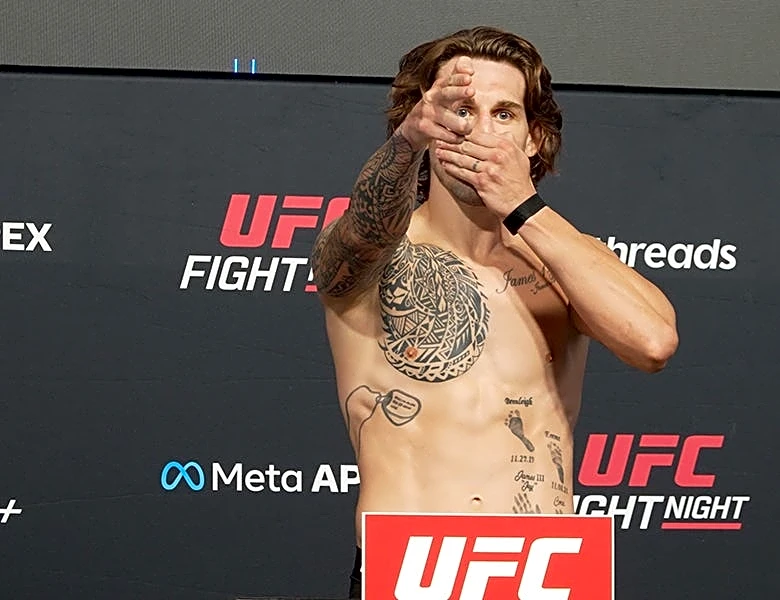
UFC fighter Jordan Leavitt, known as "The Monkey King," has sparked discussion regarding the motivations and backgrounds of individuals drawn to mixed martial arts (MMA). Leavitt suggests that many who pursue MMA careers may have pre-existing trauma or 'broken'
lives, using the sport as a form of self-medication or a coping mechanism. He posits that the immediate cause-and-effect nature of martial arts, where a lapse in focus results in immediate physical consequences, can temporarily override other thoughts or feelings. This perspective challenges the common narrative that MMA ruins lives, instead suggesting that for some, it provides purpose and direction, offering a visible path of daily progress and improvement. Former two-time UFC champion Rose Namajunas's experience, finding empowerment through martial arts after abuse, is cited as an example supporting Leavitt's theory.
Why It's Important?
Leavitt's insights offer a deeper understanding of the psychological landscape within professional combat sports. This perspective is important for several reasons: it could influence how mental health support is approached within MMA organizations, potentially leading to more tailored programs for athletes. It also sheds light on the societal factors that might push individuals towards such demanding and high-risk professions. For fans and the general public, it provides a more nuanced view of fighters, moving beyond simple narratives of aggression or ambition to acknowledge underlying personal struggles. Understanding these motivations can foster greater empathy and potentially reduce stigma associated with mental health issues among athletes, highlighting how sports can serve as both a challenge and a form of therapy for some.
What's Next?
The discussion initiated by Jordan Leavitt could prompt further examination and research into the psychological profiles of MMA fighters and other combat sports athletes. This might lead to increased mental health resources and support systems within the sport, focusing on trauma-informed care and long-term well-being beyond an athlete's fighting career. Organizations like the UFC may consider integrating more comprehensive psychological assessments and counseling services. Additionally, this conversation could encourage a broader dialogue in sports media and among fans about the personal journeys of athletes, moving beyond performance metrics to acknowledge the human element and the complex reasons individuals dedicate themselves to such demanding disciplines.
Beyond the Headlines
Leavitt's theory touches upon the complex interplay between personal trauma, coping mechanisms, and the pursuit of extreme physical endeavors. It raises ethical questions about the responsibility of sports organizations to address the mental and emotional well-being of their athletes, especially if a significant portion are drawn to the sport due to past difficulties. The idea that fighting can be a form of 'self-medication' or a way to 'exorcise demons' suggests a deeper, almost therapeutic, dimension to combat sports for some participants. This perspective could shift cultural perceptions of fighters, moving away from stereotypes of pure aggression towards an understanding of individuals seeking control, empowerment, or a structured outlet for intense internal struggles. It also highlights the broader societal issue of how individuals cope with trauma and the diverse, sometimes unconventional, paths they take to find purpose and healing.