

What's Happening?
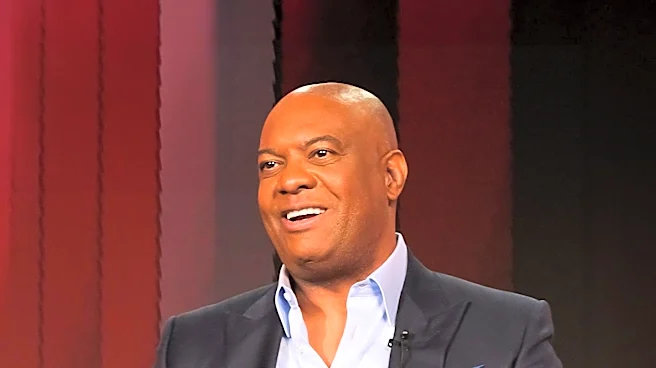
Dan Le Batard, a prominent sports commentator, recently discussed on his show how ESPN's decision to pivot away from individual commentaries on 'SportsCenter' was influenced by focus group feedback. Le Batard, along with Mitch Albom and Mike Lupica, used
to deliver individual takes on various subjects. However, focus groups indicated a preference for debates over single opinions, leading ESPN to shift towards a debate-centric format. This change was part of a broader strategy to engage audiences by presenting multiple viewpoints. Despite the initial success of this format, recent internal research suggests that audiences are now seeking more authenticity, prompting ESPN to reconsider its approach. The network has started to phase out some debate shows in favor of more highlight-driven content and is exploring new programming models that emphasize individual personalities.
Why It's Important?
The shift in ESPN's programming strategy reflects broader trends in media consumption, where audiences are increasingly valuing authenticity over manufactured conflict. This change could significantly impact how sports media is produced and consumed, potentially leading to a decline in debate-style shows that have dominated the landscape for years. For ESPN, adapting to these preferences is crucial to maintaining its relevance and viewership in a competitive media environment. The move also highlights the importance of audience feedback in shaping content strategies, as networks strive to align their offerings with viewer expectations. This transition may influence other media outlets to reevaluate their content strategies, potentially leading to a broader industry shift towards more genuine and engaging programming.
What's Next?
ESPN is likely to continue experimenting with its programming to find the right balance between debate and authenticity. The network may introduce new shows that focus on individual personalities and storytelling, rather than traditional debate formats. This could involve leveraging talent who have built audiences independently, as seen with the Pat McAfee model. Additionally, ESPN's ongoing adjustments may prompt other sports networks to reassess their content strategies, potentially leading to a more diverse range of programming options for viewers. As the media landscape evolves, networks will need to remain agile and responsive to changing audience preferences to sustain their competitive edge.