




What's Happening?
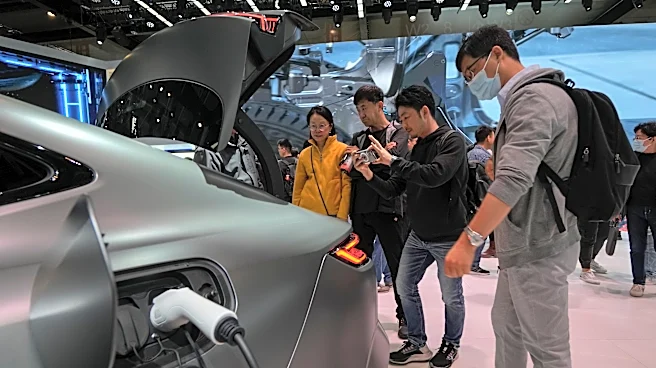
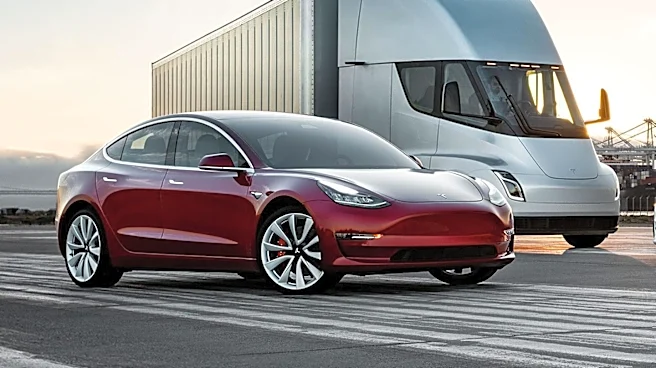
Electric vehicle (EV) owners are increasingly focusing on optimizing their charging schedules to reduce electricity costs, particularly in regions like Scotland where Tesla drivers are switching to different EV tariffs due to rising expenses. The core
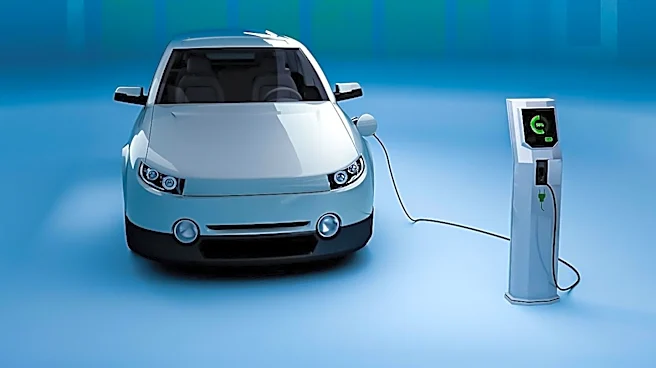
strategy involves utilizing time-of-use tariffs, which offer varying electricity rates depending on the time of day. Peak hours, typically during late afternoon and early evening, have the highest rates, while off-peak hours, usually late at night and early morning, offer significantly reduced rates, often 50% to 70% cheaper. Tools like EV charging calculators help owners determine the most cost-effective times to charge by comparing peak versus off-peak costs, considering factors such as battery capacity, current charge level, target charge level, and home charger output.
Why It's Important?
This trend is crucial for the broader adoption and economic viability of electric vehicles in the U.S. As electricity costs fluctuate, the ability for EV owners to manage charging expenses directly impacts their overall savings compared to gasoline-powered vehicles. The widespread availability and understanding of time-of-use tariffs and smart charging solutions can make EV ownership more attractive and sustainable. For utility providers, this shift encourages a more balanced electricity grid by incentivizing consumption during off-peak hours, reducing strain during peak demand. The financial impact is substantial; for instance, charging a typical EV 20 times a month during off-peak hours could lead to annual savings of over 1,700 pounds (approximately $2,100 USD), which can offset the cost of installing a dedicated home charging unit. This economic incentive is vital for accelerating the transition to electric transportation.
What's Next?
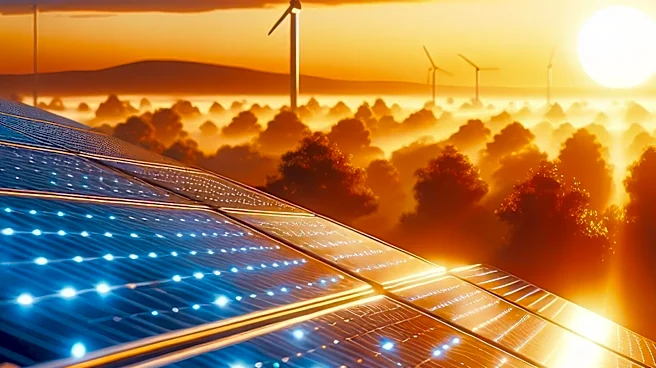
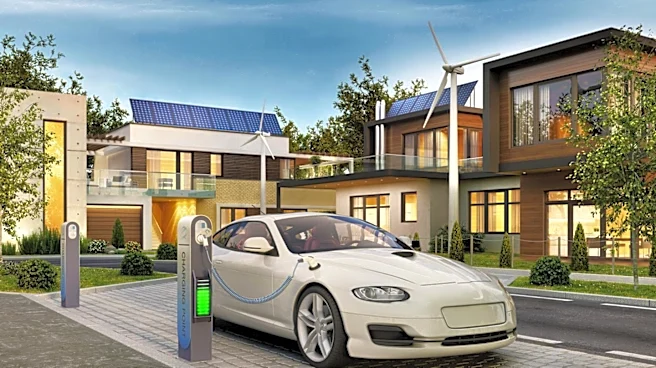
The focus on smart charging and tariff optimization is expected to grow as more consumers adopt EVs and electricity prices continue to be a factor in household budgets. Utility companies may further refine their time-of-use tariffs and introduce more EV-specific plans to attract and retain customers. The development of more sophisticated smart chargers and vehicle software that can automatically integrate with energy tariffs to optimize charging times will also be a key area of advancement. Additionally, the integration of solar panel systems with EV charging, allowing vehicles to be charged from excess solar generation during the day, will likely become more prevalent. Consumers will increasingly seek out tools and information to maximize their charging savings, driving demand for energy management solutions in the EV ecosystem.
Beyond the Headlines
The emphasis on optimizing EV charging schedules extends beyond mere cost savings; it touches upon critical aspects of energy infrastructure and consumer behavior. By shifting charging to off-peak hours, EV owners contribute to grid stability and efficiency, reducing the need for costly infrastructure upgrades to handle peak demand. This distributed energy management approach empowers consumers to become active participants in the energy market, influencing demand patterns. Furthermore, the adoption of smart charging technologies fosters a more interconnected and intelligent energy ecosystem, paving the way for future innovations like vehicle-to-grid (V2G) technology, where EVs can feed power back into the grid during times of high demand. This evolution could transform EVs from mere transportation devices into integral components of a resilient and sustainable energy system, offering both economic benefits to owners and operational advantages to the grid.