



What's Happening?
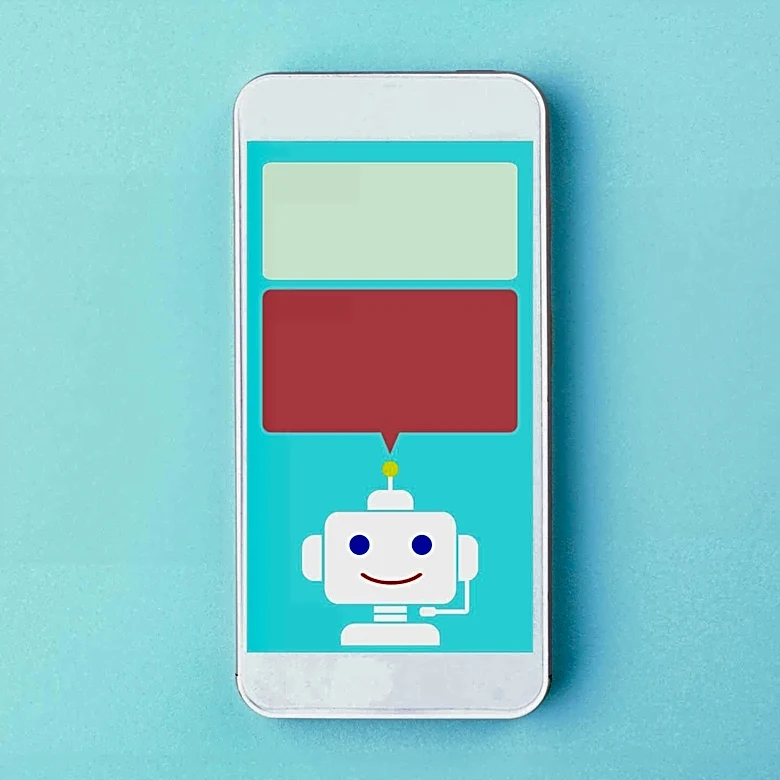
Homey, a smart home platform, has integrated leading AI assistants such as ChatGPT, Claude, and Gemini, allowing users to control their smart home devices and automate tasks using natural language. This integration is facilitated through Homey's Model
Context Protocol (MCP) server, an open standard that enables AI agents to interact with external services like smart home platforms. Users can now issue commands like 'turn off all the lights downstairs' or 'set the Movie Night Mood in the living room' directly through these AI assistants. The setup process varies by AI assistant, with ChatGPT offering a one-click connection as an official app within its platform. Claude and Gemini connect via custom connector or app configurations, providing similar capabilities to check device status, control devices, start and create Flows (automations), and manage device settings. This development aims to simplify smart home management by moving beyond fixed commands and enabling more intuitive, conversational interactions.
Why It's Important?
This integration marks a significant step in making smart home technology more accessible and user-friendly for U.S. consumers. By leveraging natural language processing, Homey reduces the technical barrier to creating complex automations and managing multiple devices, potentially increasing adoption rates of smart home systems. For the smart home industry, this move highlights a trend towards more intelligent and integrated ecosystems, where AI acts as a central interface. It also sets a precedent for how different AI platforms can collaborate with hardware and software providers to enhance user experience. Consumers stand to gain greater convenience and control over their home environments, while manufacturers of smart devices may see increased demand as the ease of use improves. The emphasis on open standards like MCP could also foster greater interoperability across the smart home market, benefiting both developers and end-users.
What's Next?
The future development of this integration will likely focus on refining the AI's understanding of complex commands and improving its ability to anticipate user needs. As AI models evolve, they may offer more proactive suggestions for home automation based on user habits and environmental factors. Homey and its AI partners will likely work on expanding the range of devices and services that can be controlled through these assistants, potentially including more nuanced control over appliances and personalized routines. There may also be a push to enhance the AI's contextual awareness, allowing it to understand the state of the home and user preferences more deeply. Furthermore, as privacy concerns around AI grow, continued efforts will be made to ensure data security and user control over personal information shared with these assistants. The competitive landscape will likely see other smart home platforms adopting similar AI integrations to keep pace with these advancements.
Beyond the Headlines
The deeper implications of this technology extend to how individuals interact with their living spaces and the potential for AI to become an invisible, yet integral, part of daily life. The ability to create and update complex automations through simple conversation could lead to a paradigm shift in home management, moving from manual configuration to intuitive dialogue. This also raises questions about the ethical considerations of AI in personal spaces, such as data collection, privacy, and the potential for AI to influence daily routines. As AI assistants gain more control over home environments, the discussion around their autonomy, decision-making capabilities, and the extent of their integration into personal lives will become increasingly relevant. This trend could also influence architectural design, leading to homes built with AI integration as a core feature, further blurring the lines between technology and living spaces.