





What's Happening?
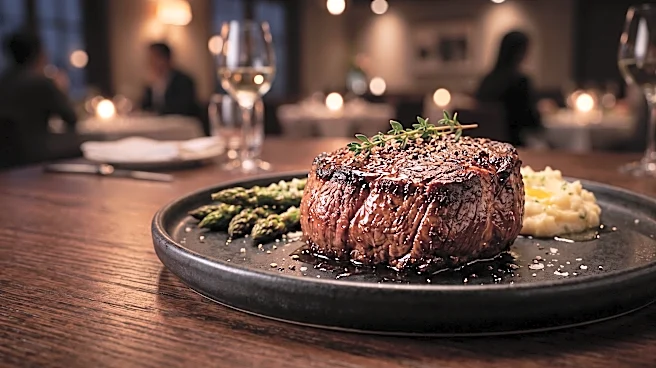
A Texas Roadhouse customer, Kenneth Card, posted a TikTok video claiming he was given a sirloin steak instead of the filet mignon he ordered on three separate occasions at the Forsyth, Illinois location. Card, who has experience in hotel and restaurant
kitchens preparing and cutting steaks, stated he was confident in his ability to differentiate between the cuts. He reported that the first time this occurred, staff corrected the order. On his second visit, he ate the steak without complaint. However, after the alleged third instance, he spoke with a manager. According to Card, the restaurant staff confirmed his steak was not what he had ordered and provided him with a new one to-go. The 8-ounce sirloin at this location costs $19.49, while the 8-ounce filet mignon costs $29.99. Card's video garnered over 30,000 views, and he expressed his desire for customers to receive what they pay for.
Why It's Important?
This incident highlights the importance of customer trust and quality control within the restaurant industry, particularly for establishments known for specific menu items like steaks. For Texas Roadhouse, a viral claim of serving cheaper cuts than ordered can impact its brand reputation and customer loyalty. Consumers rely on restaurants to deliver the products they advertise and pay for, and discrepancies can lead to widespread distrust, especially with the amplifying effect of social media platforms like TikTok. The price difference between a sirloin and a filet mignon, approximately $10 in this case, underscores the financial implications for customers if such errors are widespread. This situation also emphasizes the power of individual consumer experiences shared online to influence public perception and potentially affect a business's bottom line.
What's Next?
Texas Roadhouse has acknowledged the claim, stating they could not track three occurrences but confirmed one instance was corrected on-site. They emphasized that management "quickly made it right" and that employees are instructed to "double-check food for quality and accuracy." The company encourages customers to alert their server immediately if they believe they received the wrong steak or were charged incorrectly. Moving forward, the restaurant chain may face increased scrutiny from customers regarding steak orders, potentially leading to more frequent checks or inquiries at the table. This incident could also prompt Texas Roadhouse, and potentially other restaurants, to review and reinforce their internal quality control procedures and customer service protocols to prevent similar situations and maintain consumer confidence.
Beyond the Headlines
The viral nature of Kenneth Card's TikTok video underscores the evolving landscape of consumer advocacy and accountability in the digital age. Social media platforms empower individual customers to share their experiences, which can rapidly gain traction and exert significant pressure on businesses. This phenomenon transcends traditional customer service channels, forcing companies to be more transparent and responsive to public claims, even those originating from a single individual. The incident also touches upon the ethical considerations of product misrepresentation, even if unintentional, and the responsibility of businesses to ensure customers receive the value they expect. It highlights a broader societal shift where consumer trust is increasingly built or eroded through shared online narratives, making reputation management a critical aspect of modern business operations.