






What's Happening?
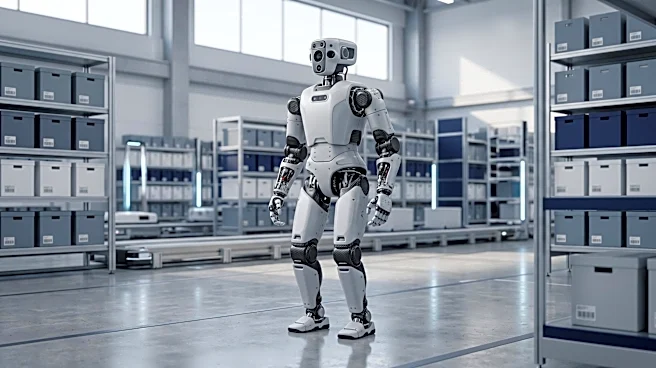
Eric Schmidt, a prominent figure in technology and AI, is among the key backers of Genesis, a company focused on developing general-purpose robots. Genesis, with operations in the Bay Area and Europe, recently unveiled its wheeled, dexterous robot named
Eno, which is powered by its GENE foundation model. The company is actively seeking a Head of Robot Safety & Certification to lead efforts in ensuring the safe deployment of its robots. This role will involve defining robot operational parameters, building evidence for safety, leading certification processes with international regulators, and establishing a team to maintain high safety standards as the robot fleet expands. The position is critical for setting precedents in how general-purpose robots driven by learned autonomy are brought to market safely, both for Genesis and the broader industry.
Why It's Important?
The involvement of a high-profile investor like Eric Schmidt in Genesis underscores the growing significance and investment in the robotics sector, particularly in the development of general-purpose robots. The emphasis on a dedicated Head of Robot Safety & Certification highlights the critical importance of safety and regulatory compliance in bringing advanced AI-driven robotics to market. This focus is crucial for public acceptance and the successful integration of robots into various environments, especially those involving human interaction. Establishing robust safety protocols and achieving international certifications will be vital for Genesis to gain market trust and scale its operations. The role's responsibility to define safety standards for learned autonomy will likely influence future regulatory frameworks and industry best practices for robotics, impacting how other companies approach similar challenges.
What's Next?
Genesis is actively recruiting a Head of Robot Safety & Certification, indicating an immediate focus on strengthening its safety and compliance infrastructure. The selected individual will be responsible for leading the company's efforts in obtaining necessary certifications across different markets, including the EU and US. This will involve working closely with hardware, AI research, and deployment teams, as well as external certification bodies and customers. The company's success in defining and implementing these safety measures will be crucial for the broader adoption of its Eno robot and future products. The precedents set by Genesis in certifying general-purpose robots with learned autonomy could significantly influence the regulatory landscape for the entire robotics industry, potentially shaping future standards and requirements for safe deployment.
Beyond the Headlines
The push for robust robot safety and certification, backed by figures like Eric Schmidt, reflects a broader societal and ethical consideration in the advancement of artificial intelligence and robotics. As robots become more autonomous and integrated into daily life, the ethical implications of their operation, particularly concerning human safety, become paramount. The role of a Head of Robot Safety & Certification goes beyond mere compliance; it involves proactively addressing potential risks, building public trust, and ensuring that technological progress aligns with societal well-being. This development highlights a growing trend where technological innovation is increasingly intertwined with ethical governance and regulatory foresight, aiming to prevent unforeseen negative consequences and foster responsible technological adoption.