



What's Happening?
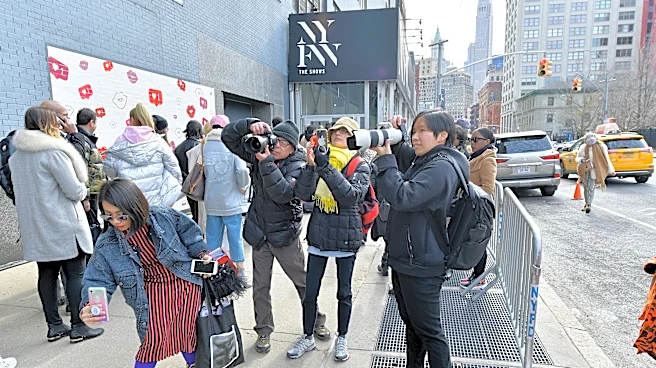
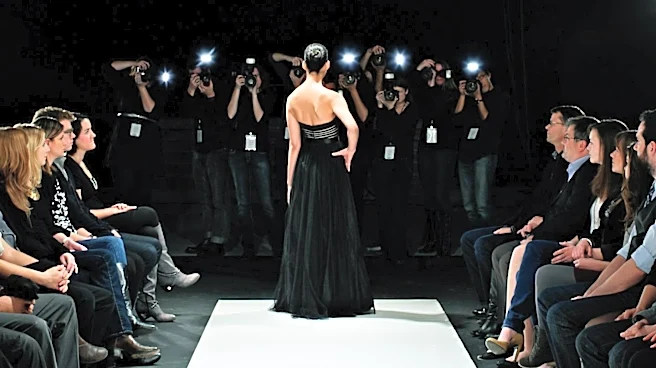
Fashion agencies are being guided on optimizing their model submissions for upcoming Fashion Weeks in major cities like New York, London, Milan, and Paris. The advice emphasizes the importance of tailored packages that align with specific designers' visions,
rather than generic submissions. Agencies should prepare 10-12 weeks in advance, with targeted outreach beginning 6-10 weeks before the show. Key elements of a strong submission include current digitals, a clear runway video, accurate measurements, confirmed availability, and a personalized introduction. The goal is to make the casting director's job easier by providing relevant and well-organized information, ensuring models are presented as ideal fits for a collection. This strategic approach aims to increase the likelihood of models being noticed and booked for runway shows, fostering stronger relationships between agencies and casting teams.
Why It's Important?
This guidance is crucial for the U.S. fashion industry, particularly for agencies and models aiming to secure placements in highly competitive Fashion Week events. By adopting a more strategic and personalized approach to submissions, agencies can enhance their models' visibility and increase their chances of being selected by designers. This not only benefits individual models' careers but also strengthens the agencies' reputations and business relationships within the industry. For designers and casting directors, receiving curated and relevant model packages streamlines their selection process, allowing them to efficiently find talent that truly embodies their creative vision. Ultimately, this refined submission process contributes to the overall quality and success of Fashion Week productions, impacting the broader fashion economy and its global influence.
What's Next?
Agencies are expected to integrate these strategic submission practices into their pre-Fashion Week preparations. This involves a more rigorous research phase to understand each designer's aesthetic, followed by a careful curation of model rosters. The emphasis will be on creating bespoke packages for each opportunity, moving away from mass, untargeted emails. Casting directors will likely see an improvement in the quality and relevance of submissions, potentially leading to more efficient casting processes. Continued professional development and networking, as highlighted by platforms like Fashion Mingle, will remain vital for agencies to stay competitive and build lasting relationships within the fashion ecosystem. The industry will likely observe a shift towards more thoughtful and less volume-driven model outreach.
Beyond the Headlines
The shift towards highly curated and personalized model submissions reflects a broader trend in the fashion industry towards efficiency, authenticity, and strategic relationship building. In an increasingly digital and fast-paced environment, generic approaches are becoming less effective. This emphasis on understanding a designer's specific needs and presenting models as a precise fit underscores the value of thoughtful engagement over sheer volume. It also highlights the evolving role of technology in streamlining communication and presentation, with digital portfolios and video links becoming standard. This strategic evolution could lead to a more sustainable and less wasteful casting process, benefiting all stakeholders by reducing unnecessary submissions and focusing on genuine connections between talent and creative vision. It also subtly encourages agencies to invest more in understanding their models' unique strengths and aligning them with appropriate opportunities.