









What's Happening?
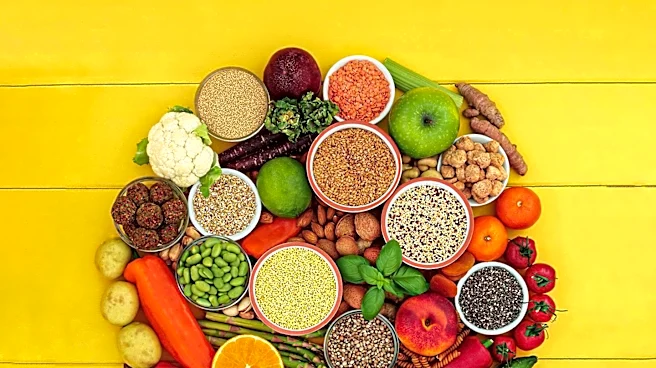
A study conducted in 2018 involving over 10,000 participants from the US, UK, and Australia suggested that consuming more than 30 different plant foods weekly is associated with a more diverse gut microbiome. This diversity is often linked to a lower
risk of certain diseases. However, experts like Prof. Daniel M Davis from Imperial College London caution against viewing the number 30 as a definitive target for health benefits. The study did not establish a direct causal relationship between eating 30 plants and improved health outcomes. Instead, it highlighted that a varied diet, including fruits, vegetables, legumes, nuts, and whole grains, is generally beneficial. The notion of consuming 30 plants weekly has also spurred a market for supplements, though there is little independent evidence supporting their efficacy.
Why It's Important?
The emphasis on consuming a diverse range of plant foods underscores the broader conversation about diet and health. While the study highlights a correlation between plant diversity in diets and gut microbiome diversity, it also raises questions about the commercialization of health advice. The market for supplements capitalizing on the '30 plants' message reflects a trend where health claims can drive consumer behavior, often without substantial scientific backing. This situation illustrates the need for critical evaluation of health advice and the importance of evidence-based dietary recommendations. The potential for misinformation in the health and wellness industry can lead to unnecessary spending by consumers and distract from more holistic lifestyle changes that include exercise, sleep, and stress management.
What's Next?
As the conversation around diet and gut health continues, further research is needed to clarify the relationship between specific dietary patterns and health outcomes. Scientists and health professionals may focus on identifying what constitutes a 'healthy' microbiome and how diet can influence it. Public health messaging might shift towards promoting overall dietary diversity and balance rather than specific numerical targets. Additionally, regulatory bodies could scrutinize the marketing of supplements that claim to meet these dietary goals, ensuring that consumers receive accurate information.
Beyond the Headlines
The discussion about plant diversity in diets touches on broader themes of nutrition science and public health. It highlights the complexity of dietary recommendations and the challenge of translating scientific findings into practical advice. The arbitrary nature of the '30 plants' target exemplifies how scientific studies can be oversimplified in public discourse. This case also reflects the cultural and economic dimensions of health advice, where commercial interests can influence public perceptions and behaviors. Long-term, this could lead to a more informed public that critically evaluates health claims and prioritizes evidence-based practices.