








What's Happening?
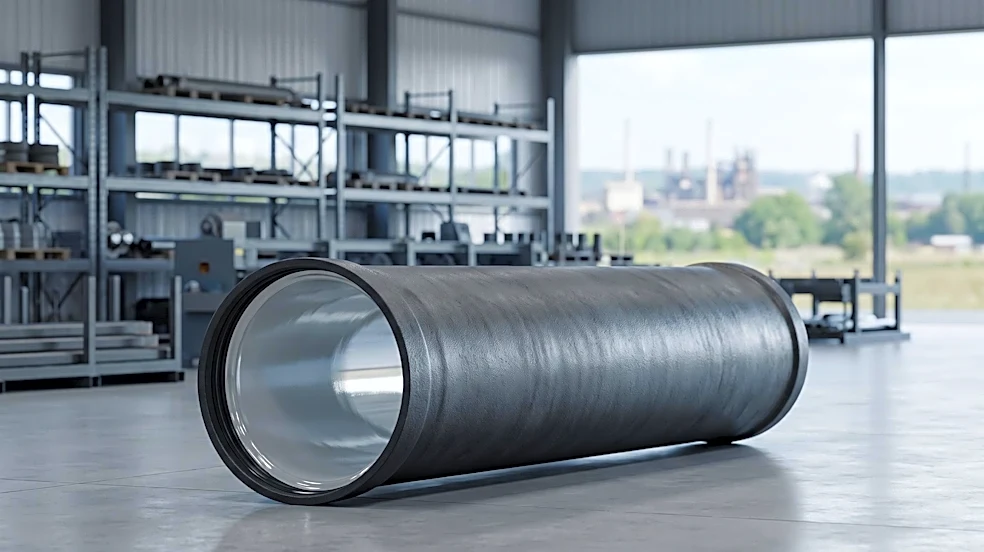
McWane Plant & Industrial (MPI) has fully operationalized a new state-of-the-art glass lining facility in Calera, Alabama. This facility, which began shipping initial orders of glass-lined ductile iron pipe and fittings to water and wastewater treatment
plants nationwide, brings the glass lining process in-house for MPI for the first time. The company states that this move allows them to directly manage production quality and significantly reduce customer lead times. Glass lining is a specialized vitreous, inorganic coating applied to the interior of ductile iron pipe and fittings through a controlled firing process. This coating creates a smooth, nonporous surface designed to resist chemical corrosion from acids, bases, salts, and wastewater chemicals, while also preventing the buildup of grease, sludge, biological growth, and mineral deposits.
Why It's Important?
The opening of MPI's new glass lining facility is a strategic move aimed at strengthening the supply chain for critical water infrastructure components across the United States. By internalizing the glass lining process, MPI can reduce its reliance on external suppliers, thereby mitigating supply chain risks and ensuring a more dependable source of essential piping systems for water and wastewater treatment plants. This directly impacts the efficiency and reliability of municipal water services nationwide, as these specialized pipes are crucial for preventing corrosion and maintaining water quality. For the water utility sector, this means potentially faster project completion times and access to higher-quality components, which can lead to more resilient and cost-effective infrastructure development and maintenance. The investment also signifies a broader trend of companies seeking greater control over their manufacturing processes to enhance product quality and delivery.
What's Next?
With the new facility fully operational, MPI is expected to increase its production capacity and distribution of glass-lined ductile iron pipe and fittings to water and wastewater treatment plants across the U.S. This will likely lead to improved lead times for customers and potentially a more competitive market for these specialized products. The company's ability to ensure exceptional quality and reduce supply chain risks could position it as a preferred supplier in the water infrastructure sector. Other manufacturers in the industry may observe MPI's success and consider similar investments in vertical integration to enhance their own supply chain resilience and product quality. The long-term impact could be a more robust and efficient supply network for critical water management components nationwide.
Beyond the Headlines
The investment by McWane Plant & Industrial in bringing glass lining capabilities in-house reflects a broader industry trend towards supply chain localization and resilience, particularly in critical infrastructure sectors. This move highlights the strategic importance of controlling key manufacturing processes to ensure product quality and availability, especially in an era of global supply chain disruptions. From an economic perspective, it represents a commitment to domestic manufacturing and job creation in Alabama. Environmentally, the enhanced durability and chemical resistance of glass-lined pipes contribute to the longevity of water infrastructure, potentially reducing the frequency of replacements and associated environmental impacts. This development underscores the ongoing efforts within the water utility management sector to adopt advanced materials and processes to build more sustainable and reliable water systems for communities.