






What's Happening?
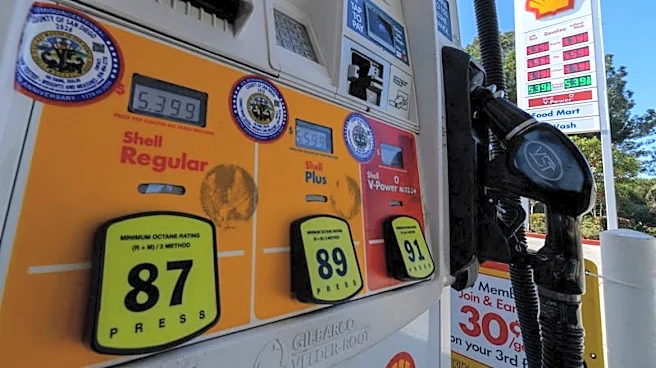
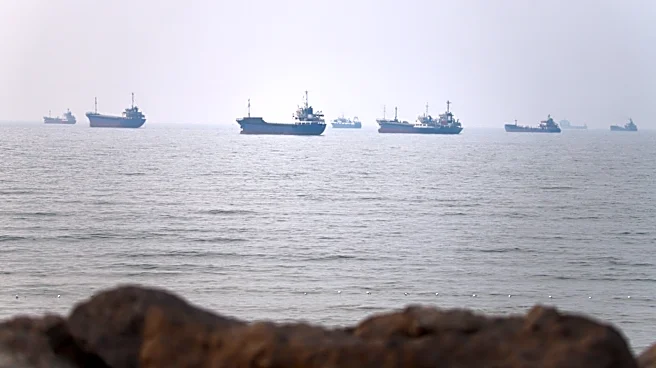
Refining margins have reached record levels as diesel and gasoline prices continue to rise. This surge is attributed to disrupted traffic through the Strait of Hormuz and increased attacks on Russian refiners by Ukraine. These geopolitical tensions have led
to a significant increase in gasoline and diesel futures, pushing the 3-2-1 crack spread to unprecedented heights. The crack spread is a key indicator of refining profitability, reflecting the difference between the cost of crude oil and the selling price of finished products like gasoline and diesel.
Why It's Important?
The rise in refining margins has significant implications for the global energy market and consumers. Higher margins can lead to increased profits for refiners, but they also contribute to higher fuel prices for consumers. This situation can strain household budgets and impact economic activities that rely heavily on transportation. Additionally, the geopolitical factors influencing these price changes highlight the vulnerability of global energy supplies to regional conflicts and disruptions, emphasizing the need for diversified energy sources and strategies to mitigate such risks.