
What's Happening?
Luxury hotel spas across Southern California and the Southwest are undergoing a significant transformation, moving beyond traditional massages and facials to offer comprehensive wellness experiences. This
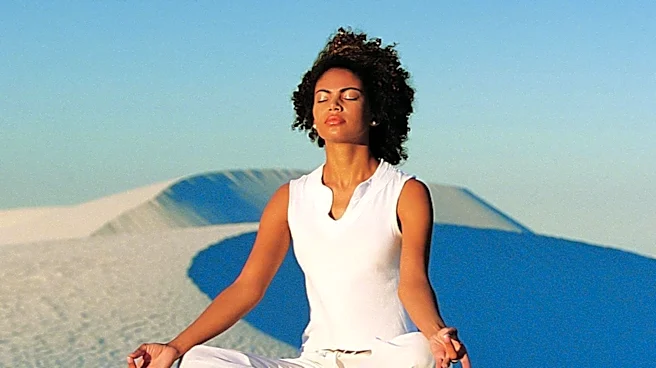
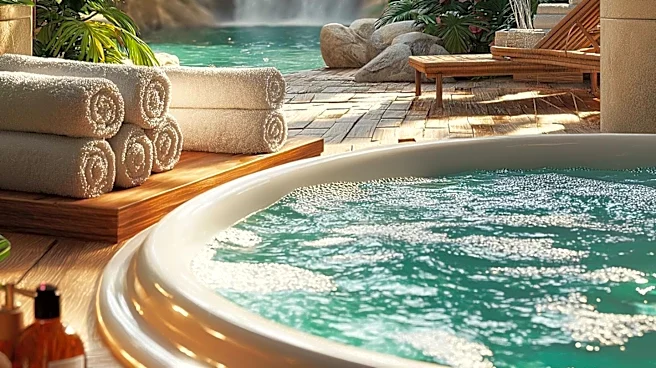
shift is driven by travelers' increasing demand for services focused on recovery, mindfulness, and long-term well-being. Hotels are expanding their spa menus to include high-tech treatments such as cryotherapy, red light therapy, sound baths, cold plunges, and geothermal soaking. For instance, Omni La Costa Resort & Spa in Carlsbad now provides cryotherapy, LED red light therapy, sound healing, and zero-gravity relaxation. Spa Alila at Alila Napa Valley integrates ancient healing traditions with modern wellness practices like yoga, dry brushing, and personalized scent rituals. L’Ermitage Beverly Hills has adopted a technology-driven approach with an immersive SAVA Sound Pod for meditation and sound healing. Castle Hot Springs in Arizona leverages its natural surroundings, offering mineral-rich geothermal hot springs, floating sound baths, and extensive wellness programming. Rancho Valencia Resort & Spa in Rancho Santa Fe combines spa treatments with cold plunges, fitness, and sound baths, while The Ritz-Carlton, Half Moon Bay, draws inspiration from its Northern California setting with treatments like its Redwood Forest Ritual.
Why It's Important?
This evolution in luxury hotel spas signifies a broader trend in the U.S. hospitality and wellness industries, where self-care is no longer viewed as an occasional indulgence but as an integral part of a holistic lifestyle. The integration of advanced technologies and diverse therapeutic practices reflects a growing consumer awareness and demand for personalized health and wellness solutions. This trend impacts the U.S. economy by creating new revenue streams for hotels and spa service providers, fostering innovation in wellness technology, and potentially influencing travel patterns as consumers prioritize destinations offering robust wellness programs. It also highlights a shift in consumer spending towards experiential luxury, where value is placed on unique and beneficial experiences rather than just material goods. Businesses that adapt to this demand by offering comprehensive, cutting-edge wellness options are likely to gain a competitive advantage, while those that do not may fall behind in attracting a discerning clientele. The emphasis on recovery and long-term well-being could also lead to increased investment in research and development for new wellness technologies and practices.
What's Next?
The trend of integrating advanced wellness technologies and holistic practices into luxury hotel spas is expected to continue and expand. Future developments may include further personalization of wellness programs, leveraging artificial intelligence and data analytics to tailor experiences to individual guest needs. We might see an increase in partnerships between hotels and specialized wellness providers or medical professionals to offer more clinically-backed treatments. The focus on sustainability and natural elements, as seen at Castle Hot Springs, could also grow, with more resorts incorporating eco-friendly practices and locally sourced ingredients into their spa offerings. Additionally, the demand for 'wellness retreats' that offer multi-day immersive programs is likely to rise, prompting hotels to design more extensive and specialized packages. This could also lead to a greater emphasis on mental health and stress reduction programs, reflecting a growing societal need for comprehensive well-being support. The industry may also see the emergence of new certifications and standards for wellness tourism, ensuring quality and efficacy of these advanced spa services.
Beyond the Headlines
The transformation of luxury hotel spas extends beyond mere service upgrades; it reflects a deeper cultural shift in the U.S. towards prioritizing health and well-being as a fundamental aspect of life. This movement challenges traditional notions of luxury, moving from ostentatious displays to investments in personal health and longevity. Ethically, it raises questions about accessibility, as these high-end services remain largely exclusive, potentially widening the gap in health and wellness access. Legally, the introduction of advanced medical-adjacent treatments like cryotherapy may necessitate new regulatory frameworks to ensure safety and efficacy. Culturally, it signifies a growing acceptance of alternative and holistic health practices, blending ancient traditions with modern science. This trend could also influence urban planning and architectural design, with a greater emphasis on creating spaces that promote tranquility and well-being. The long-term implication is a potential redefinition of 'quality of life,' where access to comprehensive wellness resources becomes a key indicator of societal advancement and personal fulfillment.