


What's Happening?
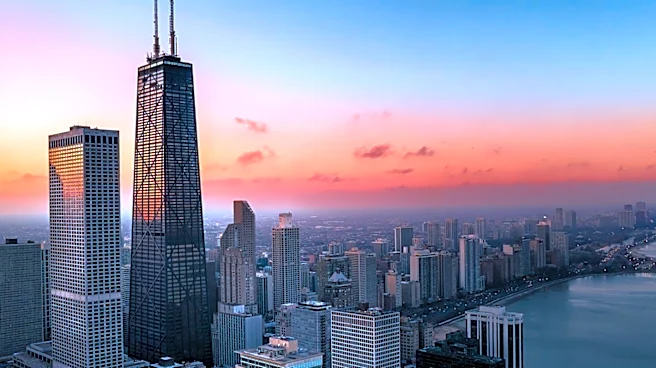
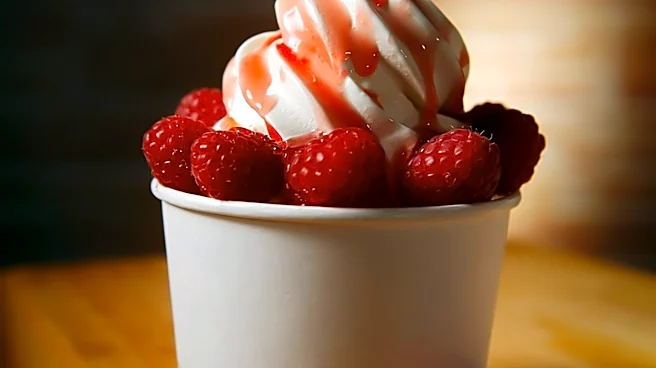
Chicago is experiencing a significant resurgence in the popularity of frozen yogurt, particularly Greek frozen yogurt, driven by new establishments and a shift towards 'wellness' and protein-rich options. Mikono, a viral popup brand co-founded by Nathalie
Del Valle and Maya Matta, has seen immense demand, leading to sold-out events and plans for a brick-and-mortar store in Lincoln Park. This trend is also evident in established restaurants like Ema and Kouklas Greek Eatery, which have reported increased sales of their housemade Greek froyo. The current wave of froyo differs from its 2000s predecessor by emphasizing natural ingredients, protein density, and a more sophisticated flavor profile, often topped with high-quality ingredients like olive oil, sea salt, or fruit from family farms.
Why It's Important?
The return of frozen yogurt, specifically Greek froyo, reflects evolving consumer preferences in the U.S. food industry. This trend highlights a broader shift from calorie-counting and diet culture to a more holistic approach to 'wellness,' where protein content and natural ingredients are prioritized. For businesses, this means an opportunity to innovate within the dessert market, catering to health-conscious consumers while still offering an indulgent experience. The success of brands like Mikono and the increased demand at restaurants like Ema and Kouklas demonstrate a viable market for premium, health-oriented frozen desserts. This could lead to new business ventures, increased competition, and a diversification of offerings in the dessert sector, impacting local economies and consumer choices.
What's Next?
The success of Mikono's pop-ups and the strong demand at existing restaurants suggest a potential expansion of Greek frozen yogurt establishments across Chicago and possibly other U.S. cities. Mikono plans to open its first brick-and-mortar shop in Lincoln Park, indicating a move towards more permanent retail presence. Additionally, established brands like Van Leeuwen are road-testing froyo in New York City with plans to roll it out in Chicago, signaling broader market adoption. This trend could lead to increased investment in specialized frozen yogurt production, new ingredient sourcing strategies, and innovative marketing campaigns focused on health and wellness. The competition among these businesses will likely drive further creativity in flavors, toppings, and overall customer experience.
Beyond the Headlines
The resurgence of Greek frozen yogurt goes beyond a simple food trend; it signifies a cultural shift in how Americans perceive treats and indulgence. The emphasis on 'macros' and protein density, influenced by fitness influencers and social media, reflects a desire for guilt-free consumption that aligns with health goals. This phenomenon also highlights the power of social media in driving consumer demand and shaping food trends. The success of small, local businesses like Mikono, which started with 'drops' from an apartment, demonstrates the potential for agile, digitally-savvy entrepreneurs to disrupt established markets. This trend could also influence other food categories, encouraging manufacturers to reformulate products to meet the growing demand for healthier, protein-rich options.