



What's Happening?
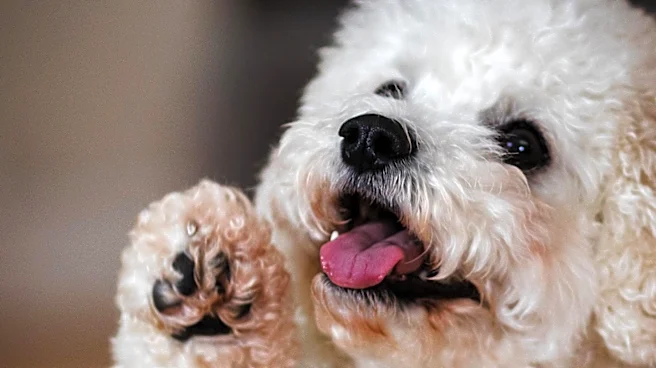
Dogs frequently use pawing as a form of communication, a behavior that originates from puppyhood when they paw their mothers for milk. This instinctive action evolves into a versatile language as dogs mature, encompassing various gestures like tapping,
patting, pouncing, or pushing. The meaning behind a dog's pawing depends heavily on context, timing, and accompanying body language. While often perceived as a request for affection or treats, pawing can also signal hunger, a need to go outside, or even stress and anxiety. For instance, a gentle paw during petting might indicate affection, whereas a paw lift without touching anything could suggest anxiety. Understanding these nuances is crucial for pet owners to respond appropriately to their dog's needs, rather than simply reacting to the behavior itself.
Why It's Important?
Understanding canine communication, particularly pawing, is vital for strengthening the bond between dogs and their owners in the U.S. and globally. Misinterpreting a dog's pawing can lead to unmet needs, behavioral issues, or increased stress for the animal. For example, if pawing is a sign of anxiety and is ignored or misunderstood, it could exacerbate the dog's stress. Conversely, correctly identifying a dog's need, whether it's for food, a bathroom break, or comfort, allows owners to provide appropriate care and reinforce positive communication. This knowledge can also reduce instances of frustration for both pets and owners, leading to a more harmonious household. Furthermore, recognizing signs of stress or medical issues through pawing can prompt timely veterinary intervention, improving the dog's overall health and well-being. This emphasis on nuanced understanding promotes responsible pet ownership and enhances the quality of life for companion animals.
What's Next?
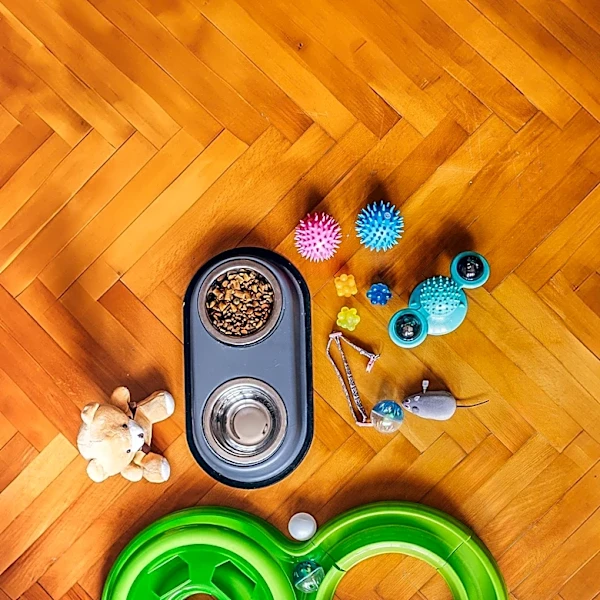
Pet owners are encouraged to observe their dogs' body language and the context surrounding pawing to better understand their communication. Resources such as dog puzzles, food-dispensing toys, or talking button toys can be used to redirect persistent pawing behavior, providing mental stimulation and engagement. For pawing linked to stress or anxiety, owners should create a calm environment, allow the dog space, or engage in activities like walks to help them acclimate. Consulting with veterinarians or professional dog trainers is recommended for persistent or concerning pawing behaviors, especially if they indicate underlying health issues or severe anxiety. Continued education on canine behavior and communication will empower owners to respond effectively, fostering a deeper and more meaningful relationship with their pets. The development of new interactive toys and training methods will likely continue to support owners in managing and understanding their dogs' communication.
Beyond the Headlines
The intricate communication of dogs through actions like pawing highlights the complex emotional and cognitive lives of animals, challenging anthropocentric views. Recognizing that a dog's paw is not just a physical appendage but a 'sentence' underscores the need for empathy and careful observation in human-animal interactions. This deeper understanding can foster a more compassionate society towards animals, influencing policies on animal welfare, training methods, and even product development in the pet industry. Ethically, it calls for owners to move beyond superficial interpretations of pet behavior and invest in understanding their companions' true needs. Culturally, it reinforces the role of pets as integral family members whose well-being is a significant concern. This evolving perspective can lead to more sophisticated approaches in veterinary medicine and animal psychology, ultimately benefiting the health and happiness of countless pets and their human families.