





What's Happening?
Kawagoe, a city near Tokyo, Japan, provides a distinct contrast to the capital's fast pace with its preserved historic streets, local delicacies, and relaxed atmosphere. It serves as an ideal one-day escape for those seeking a change of scenery from Tokyo's
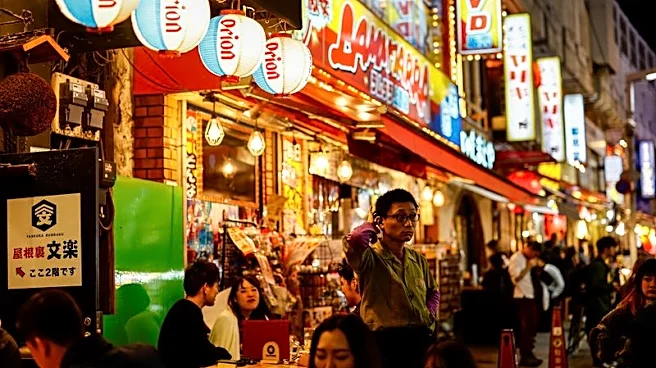
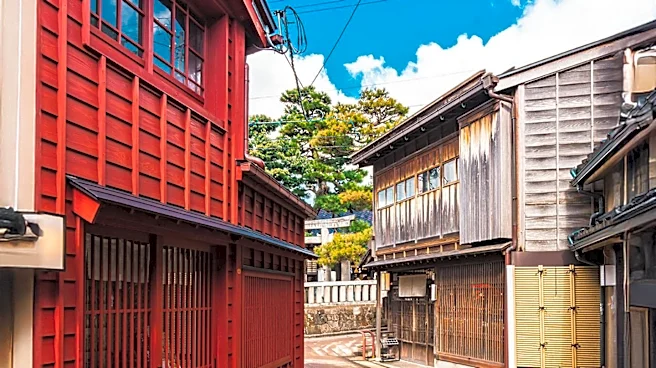
crowds and heat. The city is known for its unique cultural identity, offering more than typical tourist attractions. Visitors can explore sites like the Kawagoe Hikawa Shrine, famous for matchmaking and its summer windchime festival, and the historic Kurazukuri district with its fire-resistant storehouses. Activities include traditional craft workshops, such as making souvenir chopsticks at Karaki Mokkou, and experiencing traditional sweets and matcha tea ceremonies at places like Tantoku Garden. The city's commitment to preserving its historical appearance, including burying overhead power lines, enhances its nostalgic charm.
Why It's Important?
The appeal of Kawagoe as a day-trip destination highlights a significant trend in tourism: the desire for authentic cultural experiences and a respite from overwhelming urban environments. For the U.S. travel industry, this indicates a market for curated excursions that offer cultural depth and a slower pace, complementing the high-energy experiences of major cities. Travel agencies can develop specialized itineraries that combine the excitement of Tokyo with the tranquility and historical richness of nearby towns like Kawagoe. This approach caters to travelers seeking a more balanced and immersive understanding of Japan, moving beyond the typical tourist circuit. The focus on local crafts, traditional food, and historical preservation also aligns with a growing interest in sustainable and culturally responsible tourism among American travelers.
What's Next?
Travelers to Kawagoe can anticipate a day filled with relaxed sightseeing and cultural immersion. Future visits might involve exploring the city's thriving cafe scene, which often blends traditional architecture with modern interiors, offering unique culinary experiences like sweet potato desserts. The annual Kawagoe Festival, held in October, is another significant event, featuring elaborate floats and traditional performances, providing a deeper insight into local traditions. Visitors are encouraged to engage with local businesses, such as the udon restaurant Kinbue Untondokoro Shunka Shuto, which showcases traditional brewing methods. The city continues to offer opportunities for visitors to connect with its rich history and vibrant local life, making each visit potentially more profound than the last.
Beyond the Headlines
Kawagoe's success in preserving its historical character while attracting modern tourism reflects a broader societal value placed on heritage and cultural continuity. The city's efforts to maintain its unique identity, such as the restoration of the Toki no Kane clocktower and the careful cultivation of streets like Taisho Yume Dori, demonstrate a conscious decision to balance progress with tradition. This approach offers a model for other historical towns globally, including those in the U.S., on how to leverage their past for contemporary appeal without sacrificing authenticity. The emotional connection many Japanese feel to Kawagoe's preserved soundscapes and architecture also underscores the profound impact of cultural heritage on national identity and collective memory.