
What's Happening?
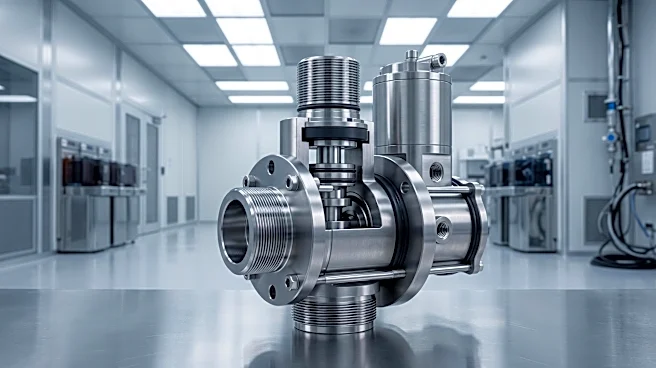
Atlas Copco has announced its acquisition of Novasen Co., Ltd., a South Korean company specializing in the development and manufacturing of advanced pressure control valves. Novasen, based in Busan, South Korea,
with additional operations in China, produces critical components used in the semiconductor and flat panel display industries. These valves are essential for the production processes within these high-tech sectors. Koen Lauwers, president of the vacuum technique business area at Atlas Copco, stated that Novasen's expertise in pressure control technology and its close collaboration with original equipment manufacturers will significantly complement Atlas Copco's existing vacuum valve portfolio. The acquisition aims to enhance Atlas Copco's ability to deliver integrated vacuum solutions to the semiconductor and flat panel display industries. The transaction is projected to finalize during the fourth quarter of 2026, at which point Novasen will be integrated into the Semiconductor Chamber Solutions division within Atlas Copco's Vacuum Technique business area.
Why It's Important?
This acquisition is strategically important for Atlas Copco as it strengthens its position in the rapidly growing semiconductor and flat panel display markets. By integrating Novasen's advanced pressure control valve technology, Atlas Copco can offer a more comprehensive suite of vacuum solutions, which are crucial for the precision manufacturing required in these industries. The semiconductor industry, in particular, is a cornerstone of the global technology sector, with continuous demand for advanced components due to the proliferation of smart devices, artificial intelligence, and data centers. This move allows Atlas Copco to capitalize on this demand, potentially increasing its market share and revenue in a high-value segment. For the U.S. market, this could mean more robust supply chains for critical manufacturing components, indirectly supporting domestic technology production and innovation by ensuring access to advanced vacuum technology. The enhanced capabilities could also foster greater efficiency and technological advancement in semiconductor fabrication, benefiting U.S. tech companies reliant on these components.
What's Next?
The acquisition is expected to close in the fourth quarter of 2026. Following the closure, Novasen Co., Ltd. will be integrated into Atlas Copco's Semiconductor Chamber Solutions division, within the Vacuum Technique business area. This integration will likely involve combining operational strategies, research and development efforts, and sales channels to leverage the synergies between the two companies. Atlas Copco will focus on incorporating Novasen's pressure control valve technology into its broader vacuum solutions, aiming to offer more advanced and integrated products to its global customer base, particularly in the semiconductor and flat panel display sectors. Customers in these industries can anticipate a more streamlined and comprehensive offering of vacuum technology solutions, potentially leading to improved efficiency and performance in their manufacturing processes. The long-term outlook suggests continued investment in innovation to meet the evolving demands of the high-tech manufacturing landscape.
Beyond the Headlines
This acquisition reflects a broader trend of consolidation and specialization within the industrial technology sector, particularly in areas critical to advanced manufacturing like semiconductors. Companies are increasingly seeking to acquire niche expertise and proprietary technologies to maintain a competitive edge and offer more integrated solutions. The focus on pressure control valves highlights the intricate and precise nature of semiconductor manufacturing, where even minute variations can impact product quality and yield. This strategic move by Atlas Copco underscores the importance of specialized components in the global technology supply chain. It also points to the ongoing strategic value of South Korean companies in high-tech manufacturing, given their significant role in the global semiconductor and display industries. The acquisition could also set a precedent for further consolidation as companies vie for dominance in critical technology segments, potentially leading to fewer but larger players controlling key aspects of the manufacturing ecosystem.