






What's Happening?
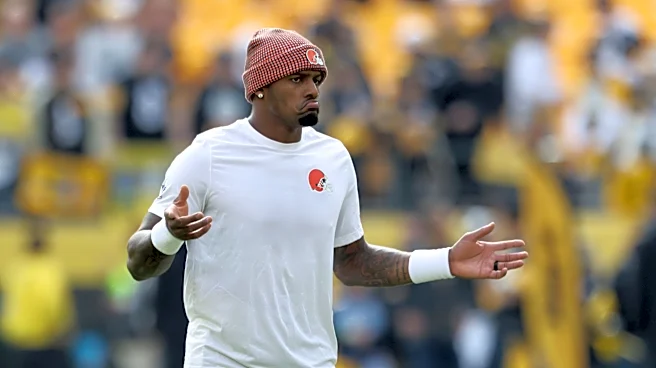
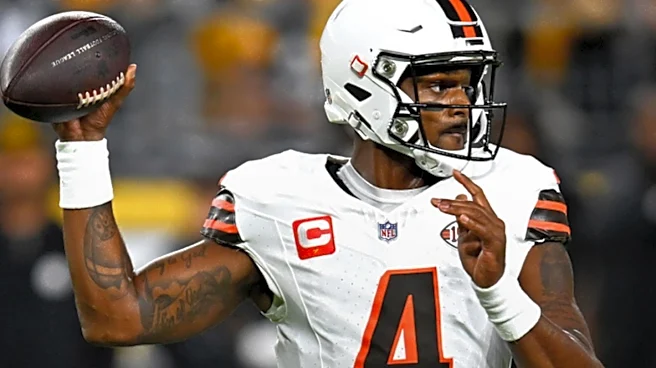
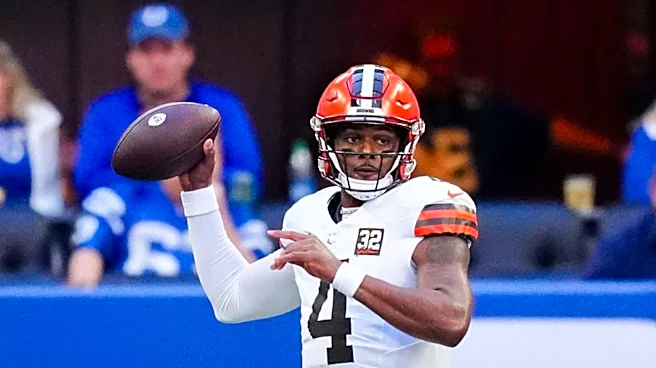
Cleveland Browns legend Hanford Dixon has voiced strong reservations about the team committing to quarterback Deshaun Watson with another long-term, guaranteed contract. Despite Watson's improved performance in the 2026 season, Dixon, a former Browns cornerback,
highlighted Watson's extensive injury history as a major concern. Watson, who is in the final year of his fully guaranteed contract, has had a tumultuous tenure with the Browns since signing a five-year, $230 million deal in 2022. His previous seasons were marred by an NFL suspension in 2022, a shoulder fracture in 2023, a torn Achilles Tendon in 2024, and an Achilles re-rupture in 2025. Dixon suggested that any future contract for Watson should involve a 'hometown discount' and significantly less guaranteed money, citing the financial risk associated with his recurring injuries. This perspective comes even as Watson has led the Browns to a 5-2 record and first place in the AFC North through seven games in the current season, accumulating 1,482 passing yards and seven touchdowns.
Why It's Important?
Hanford Dixon's comments underscore a critical dilemma for the Cleveland Browns regarding their significant investment in Deshaun Watson. The team's decision on Watson's contract extension will have substantial financial implications, potentially impacting future salary cap flexibility and the ability to acquire other key players. For the NFL, this situation highlights the inherent risks of large, fully guaranteed contracts, especially for players with a history of significant injuries. The outcome could influence how other teams structure high-value contracts, balancing player talent against long-term health concerns. For fans and stakeholders, the debate centers on whether Watson's current resurgence outweighs the past injury-related disruptions and the financial commitment required to retain him, particularly with a promising backup quarterback, Shedeur Sanders, on the roster. The team's performance and financial strategy will be closely watched as they navigate this complex decision.
What's Next?
The Cleveland Browns face a pivotal decision regarding Deshaun Watson's future as he is in the final year of his fully guaranteed contract. The team will need to assess whether Watson's current performance in the 2026 season is sustainable and if the risk of his injury history warrants another long-term financial commitment. Discussions around a potential contract extension are likely to intensify, with the possibility of a 'hometown discount' as suggested by Dixon, or the team exploring other options. The performance of backup quarterback Shedeur Sanders could also play a role in the Browns' strategy. The team's decision will set a precedent for how they manage high-value player contracts and injury risks in the future, potentially influencing their competitive standing in the AFC North and the broader NFL.
Beyond the Headlines
The situation with Deshaun Watson and the Cleveland Browns extends beyond typical contract negotiations, touching on the broader ethical and financial considerations of player welfare and team investment in professional sports. The debate over guaranteed contracts versus injury risk highlights a fundamental tension in the NFL's economic model. While players advocate for fully guaranteed deals for financial security, teams bear the substantial financial burden and performance risk associated with long-term injuries. This case could influence future collective bargaining agreements between the NFL and the Players Association, potentially leading to new clauses or structures for contracts involving players with significant injury histories. It also raises questions about the long-term impact of such large financial commitments on team building and competitive balance within the league.