



What's Happening?
Skincare experts are recommending significant adjustments to daily routines as fall approaches to counteract the effects of cooler temperatures and lower humidity. Dr. Aya Ahram, a board-certified dermatologist, and Rachel Liverman, aesthetician and Glowbar
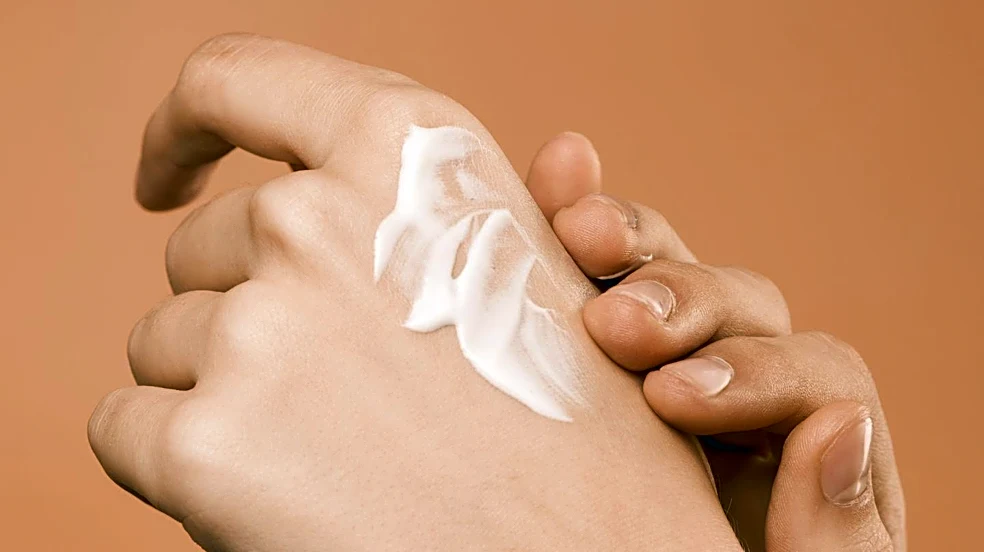
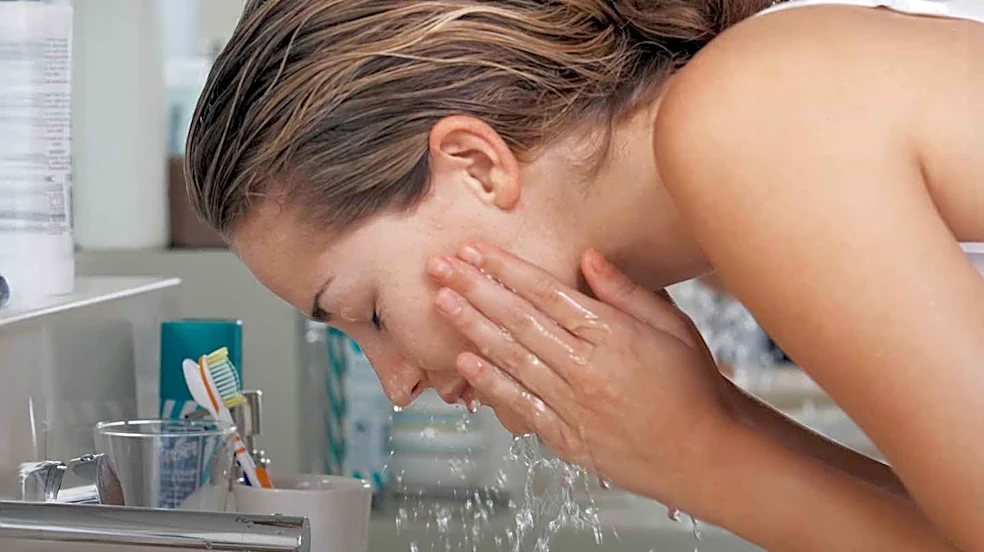
founder, advise prioritizing hydration and barrier support. This includes switching from foaming cleansers to gentler, hydrating formulas and incorporating moisture-attracting ingredients like ceramides, glycerin, hyaluronic acid, and petrolatum. They also suggest using richer moisturizers and adding hydrating serums. For extremities, a richer hand cream and lip ointment are recommended to prevent irritation. Sunscreen remains essential, even in fall, to protect against UVA rays.
Why It's Important?
This guidance is crucial for maintaining skin health as environmental conditions change. The transition to fall often brings decreased humidity, which can lead to increased water loss from the skin, resulting in dryness, tightness, flaking, and irritation. For individuals with conditions like eczema or rosacea, these changes can trigger more frequent flares. By proactively adjusting skincare routines, consumers can mitigate these adverse effects, preserve their skin's natural barrier, and prevent discomfort. This advice also highlights the importance of consistent skincare and the need to adapt routines to seasonal variations, promoting better long-term skin health and reducing the need for reactive treatments.
What's Next?
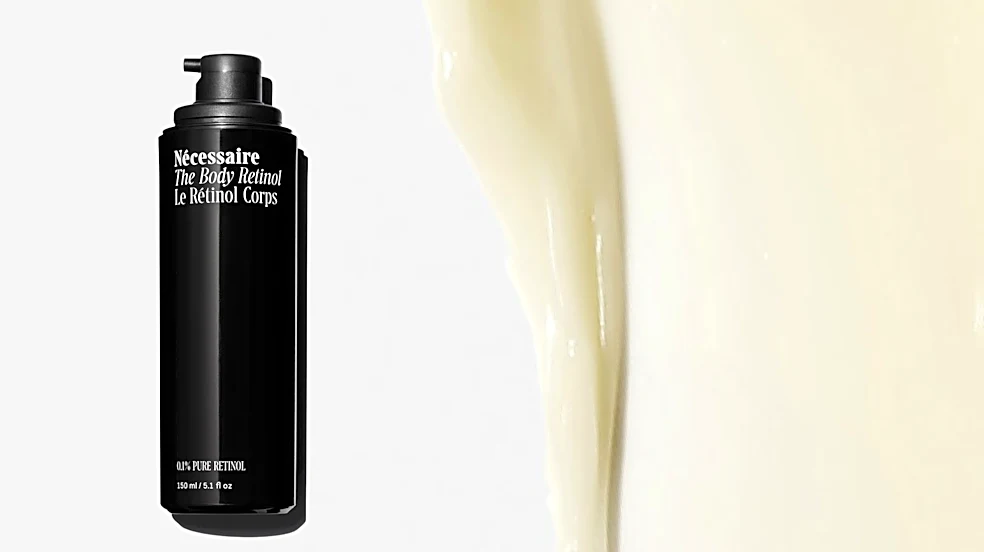
Consumers are likely to seek out skincare products formulated with hydrating and barrier-supporting ingredients such as ceramides, hyaluronic acid, and glycerin. Skincare brands will likely see increased demand for richer moisturizers, hydrating serums, and gentle cleansers during the fall season. There may also be a rise in interest for professional exfoliation treatments, like dermaplaning and chemical peels, as cooler weather makes these procedures more tolerable for skin recovery. Experts also suggest incorporating retinoids during fall due to less intense sun exposure, indicating a potential increase in retinol product sales.
Beyond the Headlines
The emphasis on seasonal skincare adjustments underscores a deeper understanding of skin physiology and its interaction with the environment. It highlights that skincare is not a one-size-fits-all approach but requires dynamic adaptation. This trend also reflects a growing consumer awareness and demand for personalized and informed skincare practices, moving beyond generic beauty claims. The recommendation to avoid over-exfoliation and to introduce new products slowly also speaks to a more mindful and less aggressive approach to skincare, prioritizing skin barrier integrity over quick fixes, which can have long-term benefits for skin resilience and health.