





What's Happening?
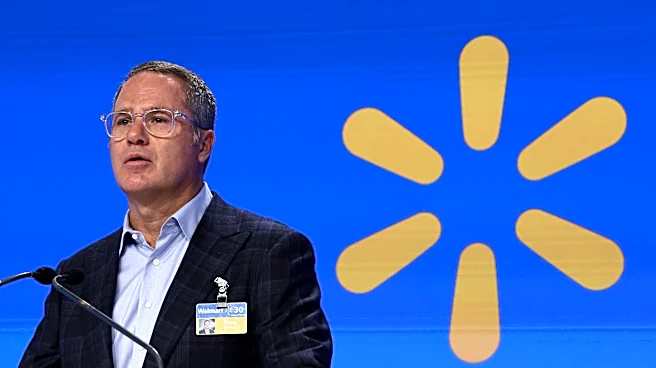
Kathryn McLay, known as Kathy, announced her departure as president and CEO of Walmart International in January 2026. This move is seen as a significant turning point for Flipkart, an Indian e-commerce company owned by Walmart. During McLay's three-year
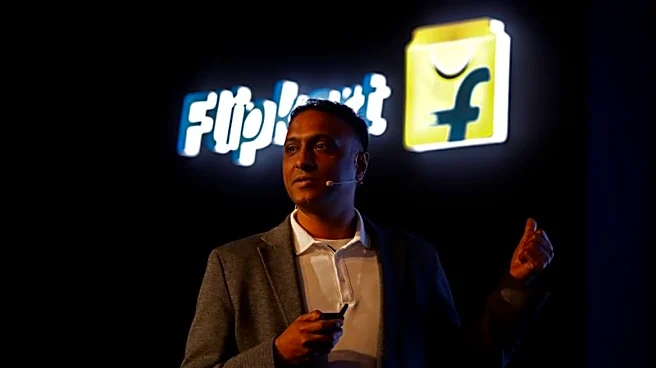
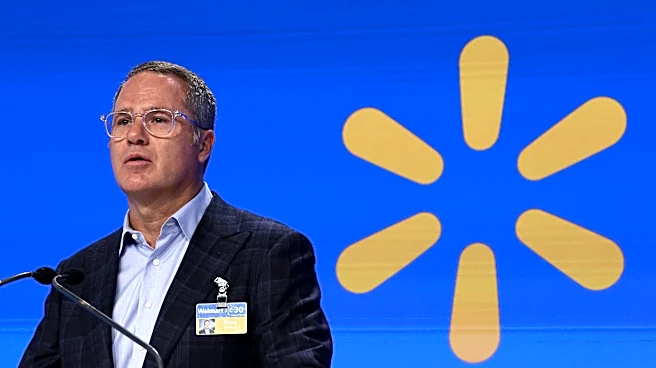
tenure, Flipkart's outgoing group CEO, Kalyan Krishnamurthy, reportedly operated with considerable autonomy and enjoyed McLay's confidence. However, this dynamic shifted with the arrival of Chris Nicholas as the new president and CEO of Walmart International. Nicholas has reportedly brought a sharper focus on profitability and financial discipline, leading to increased scrutiny of Flipkart's performance, including its cash burn and growth targets. This change in leadership at Walmart International is perceived as a catalyst for a broader management overhaul at Flipkart, culminating in Krishnamurthy's recent exit.
Why It's Important?
The change in leadership at Walmart International and its subsequent impact on Flipkart highlights a strategic shift within Walmart towards greater financial oversight and profitability across its global operations. For U.S. businesses with international subsidiaries, this situation underscores the critical role of parent company leadership in shaping the operational autonomy and strategic direction of their global ventures. The increased focus on profitability and reduced cash burn by Walmart International's new leadership could set a precedent for how other U.S. multinational corporations manage their international assets, particularly in emerging markets. This could lead to a more centralized control over financial decisions and a stronger emphasis on short-term financial performance, potentially impacting innovation and long-term growth strategies in these markets. The situation also demonstrates how changes at the executive level within a parent company can directly influence the careers and operational freedom of leaders in its international divisions.
What's Next?
Following the leadership changes, Walmart is expected to continue its efforts to increase oversight and financial discipline at Flipkart. The company has initiated a search for a group CFO for Flipkart, aiming to bring functions such as finance, mergers and acquisitions, and human resources directly under Walmart's purview. This move suggests a more integrated approach to managing its international e-commerce assets. Additionally, Walmart has reportedly asked Flipkart's chief human resources officer to develop a plan to increase employee compensation, indicating a potential shift in employee incentive structures, possibly moving away from reliance on ESOP liquidity. The appointment of an interim CEO for Flipkart, Balaji Thyagarajan, signals a period of transition as Walmart seeks to stabilize the company and address its profitability challenges. The long-term leadership for Flipkart remains uncertain, with the new CEO expected to focus on restoring stability and boosting morale.
Beyond the Headlines
The events at Flipkart, triggered by the leadership change at Walmart International, reveal deeper implications regarding corporate governance and the balance of power between parent companies and their international subsidiaries. The shift from a more autonomous operational model under McLay to a more controlled, profitability-focused approach under Nicholas reflects a broader trend where U.S. multinational corporations are increasingly asserting tighter control over their global ventures, especially when financial performance falls short of expectations. This could lead to cultural clashes between the entrepreneurial spirit often found in rapidly growing international subsidiaries and the more structured, profit-driven mandates of their parent companies. Furthermore, the situation raises questions about the long-term impact on employee morale and talent retention when significant portions of compensation are tied to equity that lacks liquidity, potentially leading to attrition and challenges in attracting top talent in competitive markets.