



What's Happening?
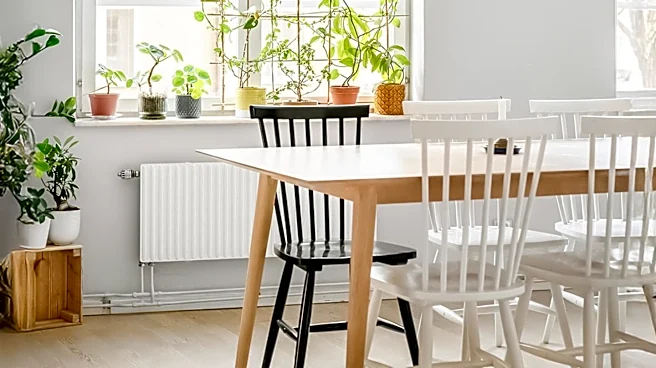
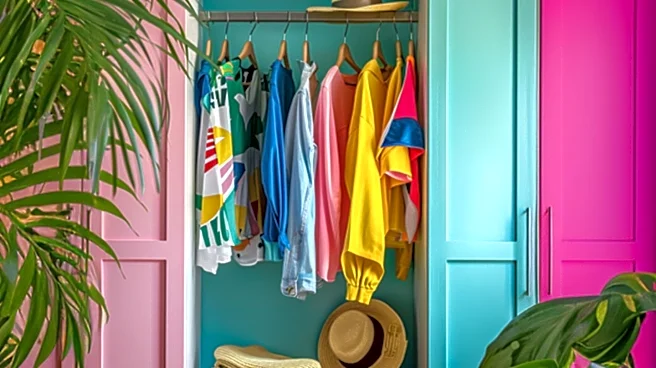
The traditional perception of Scandinavian minimalism, often associated with neutral and pared-back white rooms, is undergoing a significant transformation. Interior designers and color experts are increasingly integrating bolder and more vibrant hues
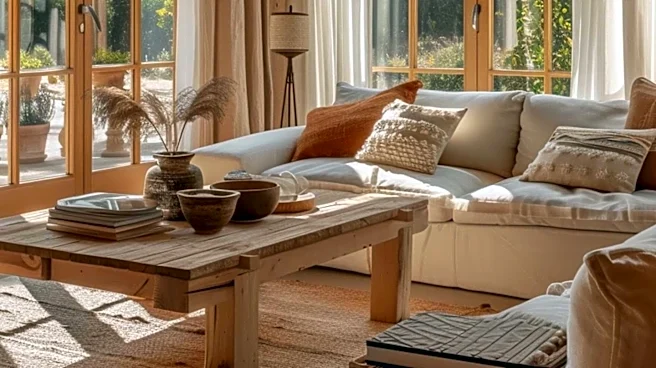
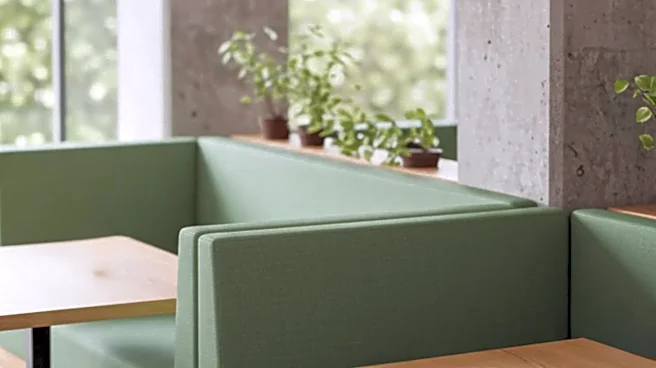
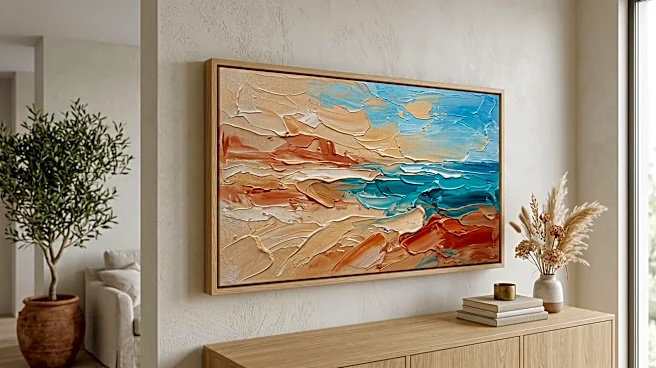
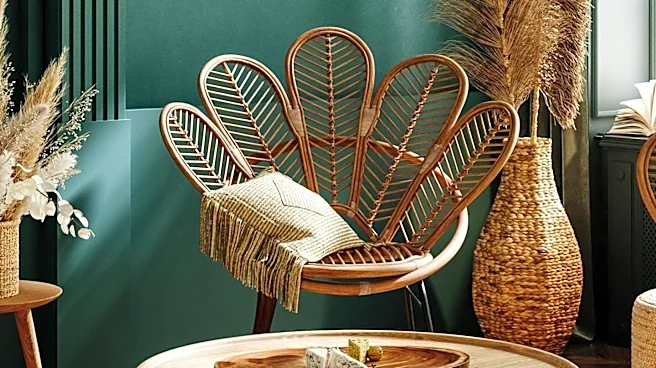
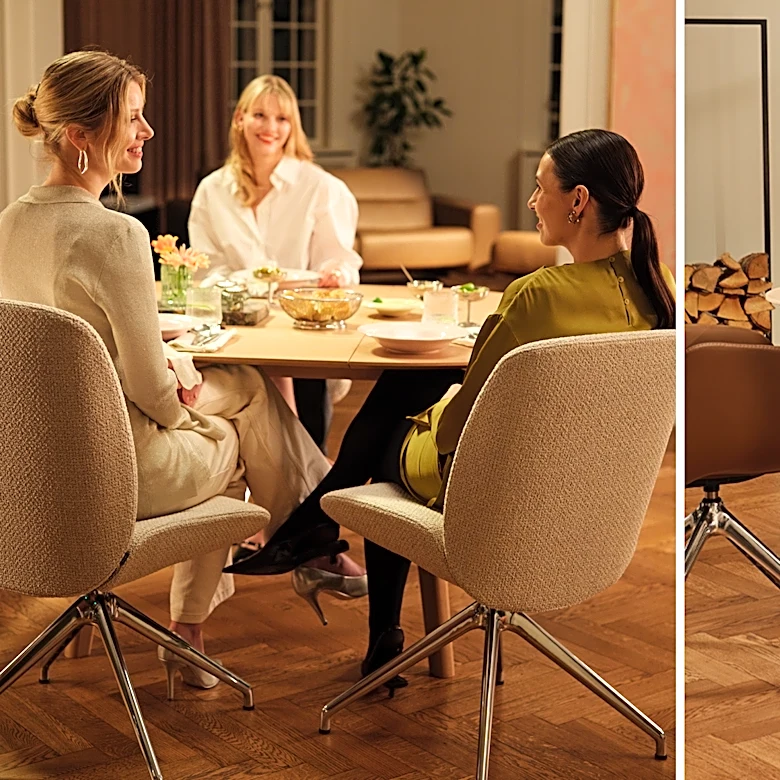
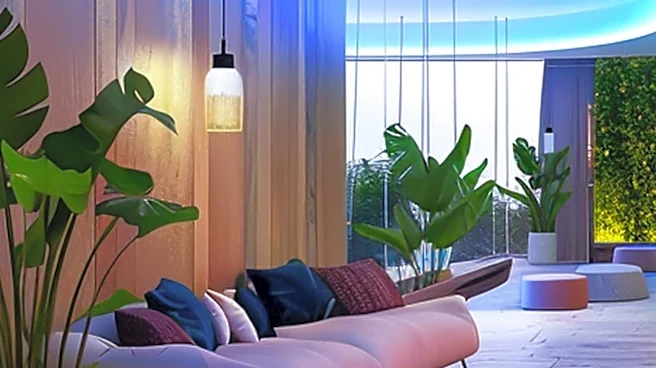
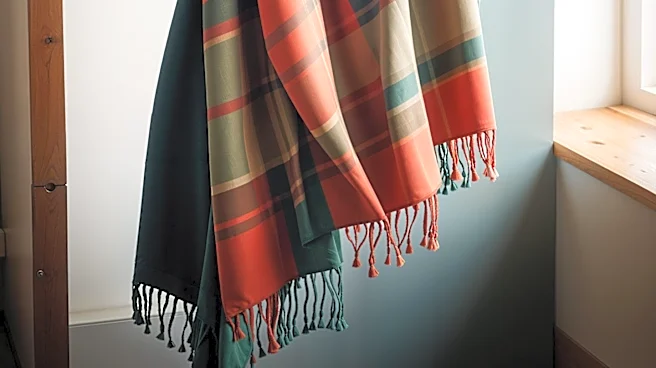
into Scandinavian-inspired spaces. This evolution demonstrates that the style can be colorful and uplifting while maintaining its core principles of considered design and functionality. The shift involves strategic use of elements like colorful rugs to add warmth and drama, balancing vibrant textiles with neutral backdrops, and incorporating wallpapers with natural world motifs. Designers are moving beyond strict minimalism to include richer textures and tones, aiming to bring personality and warmth to interiors without sacrificing calm. This trend reflects a growing demand for more expressive home decor, where color is used intentionally to create layered and harmonious palettes. Even with the introduction of more colors, the overarching principle remains restraint and a sense of order, typically adhering to a palette of three or four colors for a cohesive result.
Why It's Important?
This evolution in Scandinavian minimalism is significant as it challenges long-held aesthetic norms and expands the style's appeal. For the interior design industry, it signals a broader acceptance of diverse color palettes and a move away from monochromatic dominance, potentially influencing product development in furniture, textiles, and home decor. Consumers who appreciate Scandinavian design but desire more color in their living spaces will find new avenues for expression, making the style more accessible and adaptable to individual preferences. The emphasis on intentional color integration, rather than chaotic maximalism, provides a framework for homeowners to experiment with bolder shades while maintaining a sense of balance and sophistication. This shift also highlights the psychological impact of color in design, particularly in Scandinavian countries where lighter colors are used to energize rooms during darker periods, underscoring the functional aspect of color choice.
What's Next?
The trend of incorporating vibrant colors into Scandinavian minimalism is likely to continue, with designers exploring new combinations and applications. We can anticipate an increase in furniture and decor collections that feature bolder hues and richer textures, moving beyond the traditional neutral palettes. Manufacturers may introduce more colorful options in Scandinavian-inspired lines, catering to a broader consumer base seeking both functionality and visual interest. Educational resources and design publications will likely showcase more examples of colorful Scandinavian interiors, further popularizing the trend. This evolution could also lead to a redefinition of 'minimalism' itself, suggesting that simplicity can coexist with vibrant expression. The focus will remain on thoughtful integration, ensuring that color enhances rather than overwhelms the inherent calm and functionality of Scandinavian design.
Beyond the Headlines
Beyond the immediate aesthetic changes, this shift in Scandinavian minimalism reflects a broader cultural movement towards personalization and emotional connection in living spaces. It suggests that as societies become more complex, there's a growing desire for homes to be sanctuaries that reflect individual personality and bring joy, moving beyond purely functional or starkly minimalist ideals. The integration of color can be seen as a response to the need for warmth and vibrancy in an increasingly digital and sometimes isolating world. Ethically, this evolution encourages a more sustainable approach to design, where pieces are chosen for their longevity and emotional resonance rather than fleeting trends, as thoughtful color choices can make a space feel timeless. It also highlights the adaptability of design principles, demonstrating that core values like functionality and simplicity can be expressed through diverse aesthetic means, fostering a more inclusive understanding of what constitutes 'good design.'