





What's Happening?
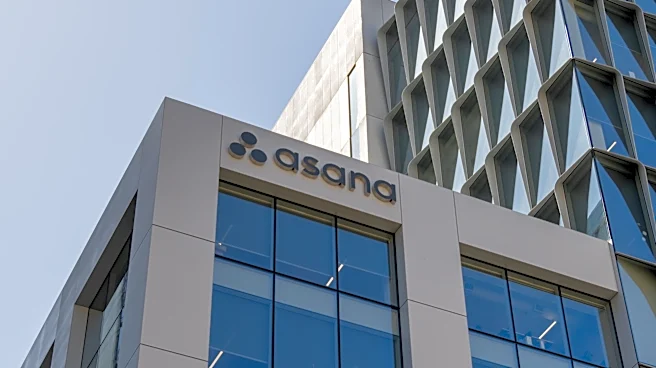
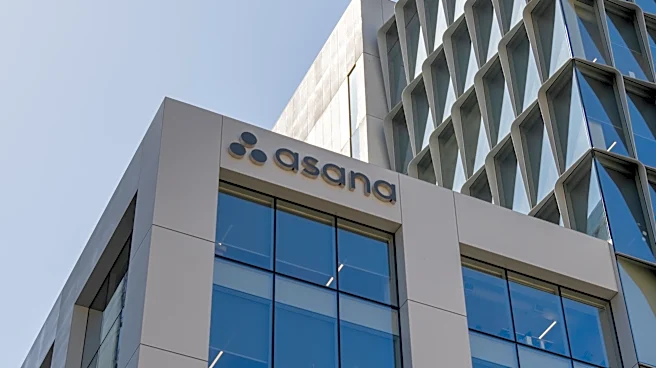
Asana, a prominent platform for human + AI collaboration, is actively seeking an SEC Reporting and Equity Accounting Manager for its San Francisco office. This role is crucial for managing the company's SEC reporting processes, including Forms 10-Q, 10-K,
and 8-K, ensuring compliance with US GAAP and SEC regulations. The manager will also be the subject matter expert for equity accounting (ASC 718) and earnings per share (ASC 260), overseeing complex award structures and equity modifications. Asana emphasizes its commitment to an office-centric hybrid culture, with in-office days typically Monday, Tuesday, and Thursday, and flexibility for remote work on other days. The company, recognized for its workplace culture and innovation, operates with 13+ global offices and is focused on building diverse teams that leverage technology for positive change. This hiring initiative reflects Asana's ongoing growth and its dedication to maintaining robust financial reporting standards as it expands its product offerings, which include Agentic Work Management, AI Teammates, and Command by Asana.
Why It's Important?
This hiring decision by Asana underscores the increasing complexity and regulatory scrutiny faced by technology companies, particularly those with a global footprint and publicly traded status. A dedicated SEC Reporting and Equity Accounting Manager is vital for ensuring financial transparency and compliance, which directly impacts investor confidence and market valuation. For Asana, a company that has been recognized for its rapid growth and innovative approach to work management, maintaining impeccable financial records and reporting is paramount to sustaining its trajectory. The role's emphasis on technical accounting for equity and earnings per share highlights the intricate financial structures common in tech firms, often involving stock-based compensation and complex equity arrangements. Furthermore, the requirement for candidates to demonstrate curiosity about AI tools signals Asana's commitment to integrating artificial intelligence not just into its products but also into its internal operational efficiencies, potentially setting a new standard for financial reporting departments in the tech sector.
What's Next?
The successful candidate for the SEC Reporting and Equity Accounting Manager position will be instrumental in Asana's continued adherence to financial regulations and its strategic financial planning. This individual will collaborate closely with various internal departments, including Legal, People, Tax, FP&A, and Investor Relations, to ensure alignment on financial disclosures and earnings releases. Their work will directly support Asana's ability to scale its operations and product development, particularly as it continues to innovate in the AI collaboration space. The company's ongoing commitment to a hybrid work model, while maintaining an office-centric approach, suggests a continued focus on fostering a collaborative environment that balances flexibility with in-person interaction. As Asana expands its global presence and product suite, the financial reporting team, led by this new manager, will play a critical role in navigating the evolving regulatory landscape and supporting the company's mission to enable teams worldwide to achieve their goals faster.
Beyond the Headlines
The recruitment for such a specialized financial role at Asana reflects broader trends in the technology industry, where rapid innovation and global expansion necessitate sophisticated financial oversight. The emphasis on AI tools within the job description for an accounting role suggests a future where artificial intelligence will not only power core business products but also revolutionize back-office functions like financial reporting and compliance. This could lead to increased efficiency, accuracy, and predictive capabilities in financial departments across the tech sector. Moreover, Asana's dedication to building diverse, equitable, and inclusive teams, as highlighted in its job postings, points to a growing corporate responsibility trend where companies are not just focused on financial performance but also on fostering a workplace culture that values varied perspectives. This holistic approach to business, combining technological advancement with ethical workplace practices, could serve as a model for other companies aiming for sustainable growth and positive societal impact.