
What's Happening?
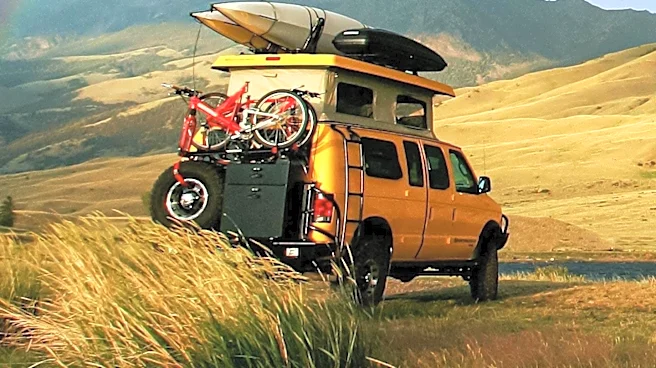
The 'van life' movement, characterized by full-time living and travel in converted vehicles, is prompting musicians to re-evaluate their instrument choices. Due to the compact nature of van living, space
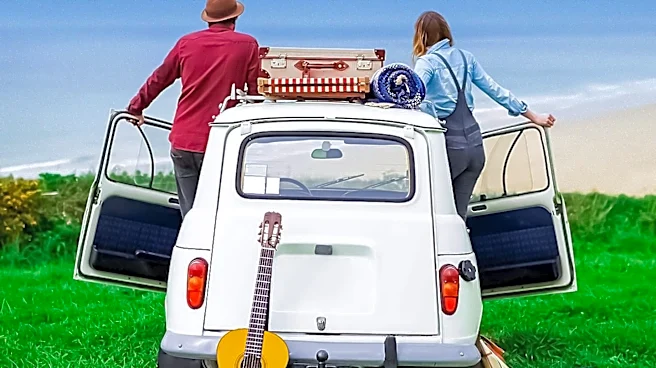
is at a premium, making traditional, full-sized instruments often impractical. Musicians are now seeking instruments that are compact, lightweight, durable, and resilient to varying temperatures and humidity levels encountered on the road. Acoustic instruments that do not require amplification are particularly favored for their versatility in various settings, such as campfire jams or beach sessions. Popular choices include ukuleles, especially soprano and concert sizes, known for their portability and joyful sound. Travel guitars, like the Martin Backpacker or Baby Taylor, are designed with shorter scale lengths and narrower bodies for easier transport. Parlour and concert-body acoustics also offer a more compact alternative to dreadnought guitars while maintaining sound quality. Carbon fiber guitars are gaining popularity among van lifers due to their immunity to temperature and humidity changes, offering greater durability than traditional wooden instruments. Harmonicas are highly valued for their extreme portability, resilience, and affordability. Even violins, despite their sensitivity to climate, are considered practical due to their compact size and ability to be played without amplification, with carbon fiber versions offering enhanced durability. Guitaleles, which combine guitar and ukulele features, provide a compact six-string option. Hand percussion instruments like cajóns, djembes, and frame drums are also favored for their rhythm-adding capabilities without significant bulk.
Why It's Important?
This shift in instrument preference within the 'van life' community highlights a growing niche market for musical instrument manufacturers and retailers. The demand for compact, durable, and climate-resilient instruments influences product development and marketing strategies, pushing for innovation in materials and design. This trend also underscores the evolving nature of creative expression and community building in a mobile context. For musicians, the ability to easily transport and play instruments fosters a unique form of cultural exchange and connection, enabling impromptu performances and collaborations across diverse locations. This can lead to new forms of musical creation and distribution, potentially impacting the independent music scene. The emphasis on acoustic and unamplified instruments also promotes a more organic and accessible musical experience, contrasting with the often technology-dependent music industry. Furthermore, the need for instruments that withstand environmental fluctuations points to broader considerations for product design in an increasingly mobile and outdoor-oriented society, affecting not just musical instruments but also other portable gear and equipment.
What's Next?
The demand for travel-friendly musical instruments is likely to continue growing as the 'van life' movement expands. This will probably lead to further specialization in instrument design, with manufacturers developing more models specifically tailored for nomadic lifestyles. Innovations in materials, such as advanced composites for enhanced durability and climate resistance, are expected. We might also see an increase in modular or collapsible instrument designs to maximize space efficiency. Retailers may begin to curate specific 'van life' instrument collections, offering bundles that include protective cases, humidifiers, and spare parts essential for life on the road. Educational resources, such as online tutorials for maintaining instruments in varying climates or adapting playing styles to smaller instruments, could also proliferate. The community aspect of 'van life' music, with its emphasis on campfire jams and impromptu sessions, may foster new platforms for musicians to connect, share, and perform, potentially leading to unique musical genres or collaborative projects. This trend could also influence music festivals and events, with a greater focus on acoustic performances and mobile stages that cater to the nomadic community.
Beyond the Headlines
The adaptation of musical instruments for 'van life' reflects a deeper cultural phenomenon where individuals are actively seeking ways to integrate their passions and creative pursuits into alternative living models. It underscores a desire for self-sufficiency and a rejection of traditional constraints, allowing art to flourish in unconventional settings. This movement challenges the notion that artistic endeavors require fixed spaces or extensive equipment, demonstrating that creativity can thrive with minimalist resources. Ethically, it raises awareness about the environmental impact of musical instrument production and the potential for more sustainable, durable materials. The emphasis on community and shared musical experiences in natural settings also highlights the intrinsic human need for connection and expression, often facilitated by music. This trend could inspire broader discussions about the accessibility of arts and culture, proving that artistic engagement is not limited to urban centers or formal venues. It also subtly critiques the consumerist culture by prioritizing functionality and portability over excessive accumulation, aligning with a broader movement towards conscious living and reduced environmental footprint.