




What's Happening?
Día de Muertos is observed annually from November 1st to November 2nd, with specific days dedicated to different groups of deceased individuals. November 1st is recognized as Día de los Angelitos (or Día de los Inocentes), a day to honor the spirits of deceased children
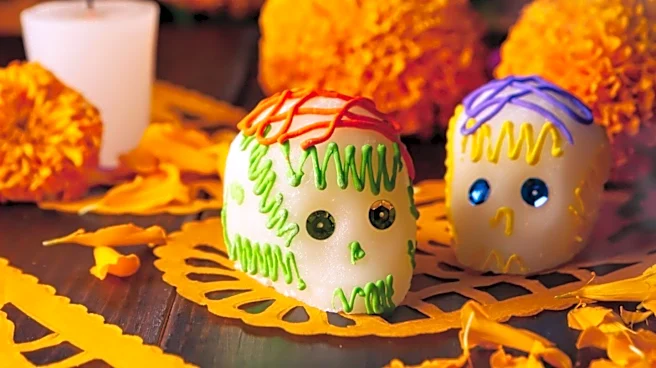
and infants. The following day, November 2nd, is designated as Día de los Muertos, focusing on remembering and honoring deceased adults. This traditional Mexican holiday emphasizes celebrating the lives of loved ones who have passed away, fostering a connection to them through remembrance and cherished memories, rather than viewing spirits as frightening. The celebration involves various customs, including creating ofrendas (altars) adorned with offerings, decorating with flowers, making papel picado, and preparing traditional foods like pan de muerto. These practices are central to welcoming the spirits of the deceased back home for a visit.
Why It's Important?
The observance of Día de Muertos holds significant cultural and emotional importance, particularly within Mexican and Mexican-American communities. It provides a structured and communal way to process grief and maintain connections with ancestors, promoting a healthy approach to death as a natural part of life. This holiday reinforces family bonds and intergenerational ties, as families gather to share stories and memories of those who have passed. For children, it offers a gentle introduction to the concept of death and remembrance, framing it within a context of love and celebration rather than fear. The traditions associated with Día de Muertos, such as altar building and food preparation, also serve as vital expressions of cultural identity and heritage, ensuring the continuity of these practices across generations and fostering a sense of belonging.
What's Next?
As November 1st and 2nd approach, families and communities will engage in preparations for Día de Muertos. This includes setting up elaborate ofrendas in homes and public spaces, adorned with photographs, favorite foods, drinks, and personal items of the deceased. Many will participate in community events, parades, and gatherings that feature traditional music, dance, and art. Educational initiatives, such as reading picture books about Día de Muertos, will continue to introduce younger generations to the holiday's customs and significance. Following the main days of celebration, families will typically dismantle their altars, having completed the spiritual visit from their loved ones. The memories and cultural lessons reinforced during this period will carry forward, influencing future observances and strengthening cultural identity.
Beyond the Headlines
Beyond its immediate celebratory aspects, Día de Muertos offers profound insights into cultural perspectives on life and death. Unlike many Western traditions that often privatize grief, Día de Muertos is a communal and public expression of remembrance, fostering collective healing and support. The holiday's emphasis on the cyclical nature of life and death, and the belief that the deceased remain part of the family unit, challenges the finality often associated with death. This philosophical underpinning encourages a continuous relationship with ancestors, viewing them as guides and sources of strength. Furthermore, the artistic elements, such as sugar skulls and intricate papel picado, transform symbols of mortality into vibrant expressions of life and creativity, reflecting a unique cultural resilience and a deep appreciation for the beauty in all stages of existence.