







What's Happening?
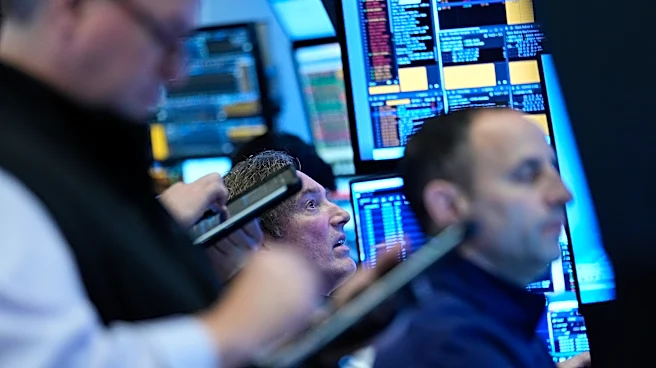
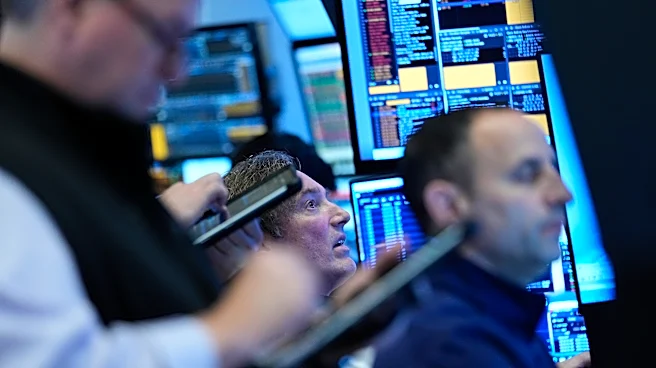
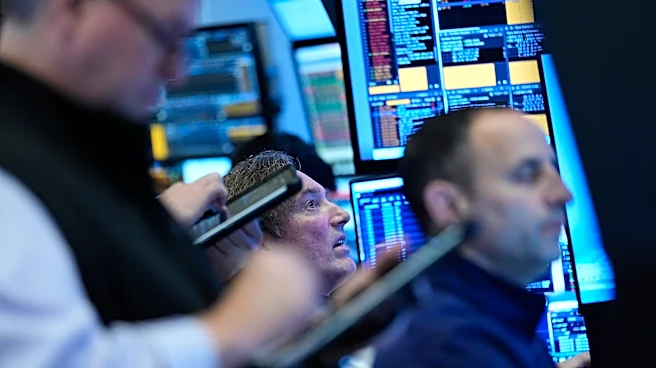
Prominent AI researcher Gary Marcus has issued a stark warning regarding the state of AI stocks, suggesting that the sector may be entering a 'death spiral.' This comes as the tech sector experiences a significant sell-off, with the Nasdaq Composite entering negative
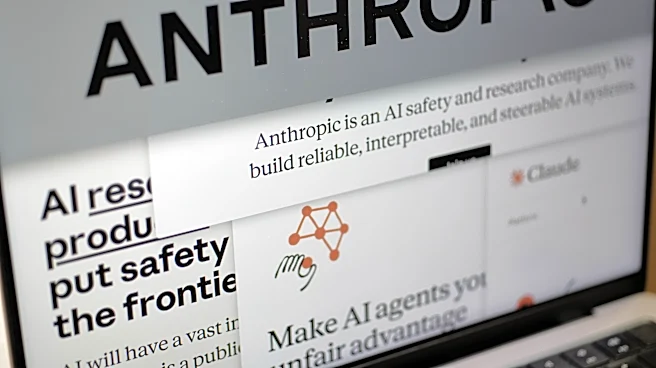
territory for the year and other major indices like the S&P 500 and Dow facing corrections. Marcus, in his newsletter 'Marcus on AI,' highlighted widespread losses across the tech sector, noting that the Global X Artificial Intelligence & Technology ETF is down 24% from its summer peak. Concerns are mounting among Wall Street forecasters that the AI-fueled bull market might be ending, driven by factors such as slowing AI capital expenditure, the impact on data centers, and a substantial decline in Nvidia's stock. The recent IPO of Anthropic, which was expected to boost the AI sector, failed to make a positive market impact, further fueling these concerns. Investment firms like Capital Economics have long warned of an AI bubble, predicting a potential 40% crash in AI-linked stocks by early 2028.
Why It's Important?
The potential 'death spiral' in AI stocks, as warned by Gary Marcus and echoed by various Wall Street forecasters, carries significant implications for the U.S. economy and investment landscape. A major downturn in the AI sector could lead to a broader market correction, impacting retirement funds, institutional investments, and individual portfolios. The tech sector, particularly AI, has been a primary driver of market growth, and a sustained decline could signal a shift in investor confidence and capital allocation. Companies heavily invested in AI research and development, as well as those reliant on AI infrastructure like data centers, could face reduced funding and slower growth. This scenario could also affect job markets within the tech industry, potentially leading to layoffs or hiring freezes. The comparison to the dot-com bubble burst suggests a historical precedent for rapid market corrections when valuations become detached from underlying revenue generation, posing a risk to the stability of the U.S. financial system.
What's Next?
In the immediate future, Gary Marcus anticipates that major AI players like Nvidia and 'Neoclouds' will experience significant hits. Wall Street analysts are closely monitoring AI capital expenditure to determine if spending will continue to justify current valuations. There's a growing fear that data center spending could slow next year due to potential legislative crackdowns on new construction, which would cap growth in the sector. Investment research firm TS Lombard has already shifted its stance on global equities to 'underweight,' specifically trimming exposure to AI in the U.S. and Taiwan, and remains skeptical that the market can avoid an AI crash. Capital Economics forecasts a 9% drop in the S&P 500 by the end of next year, with potentially steeper losses in the interim. Citi has also reduced its risk exposure to U.S. equities, advising investors to remain cautious due to spillover risks from companies like Nvidia. The market will likely continue to reassess AI spending, regulation, industry leadership, and the conversion of investment into free cash flow, leading to continued volatility.
Beyond the Headlines
The current concerns surrounding AI stocks extend beyond mere financial fluctuations, touching upon deeper questions about the sustainability and real-world impact of artificial intelligence. The debate centers on whether AI can generate the 'massive, unprecedented revenues' required to justify multi-trillion-dollar investments, especially as underlying technology becomes more freely available and public enthusiasm remains moderate. This situation highlights a potential disconnect between speculative market valuations and the tangible economic benefits or widespread adoption of AI technologies. Ethical and regulatory considerations are also coming to the forefront, with calls for stricter regulation of AI development and application. A significant market correction could force a re-evaluation of investment strategies, shifting focus from speculative growth to more proven, revenue-generating applications of AI. This could lead to a more mature and sustainable AI industry in the long term, but not without short-term pain for investors and companies caught in the current speculative wave.