



What's Happening?
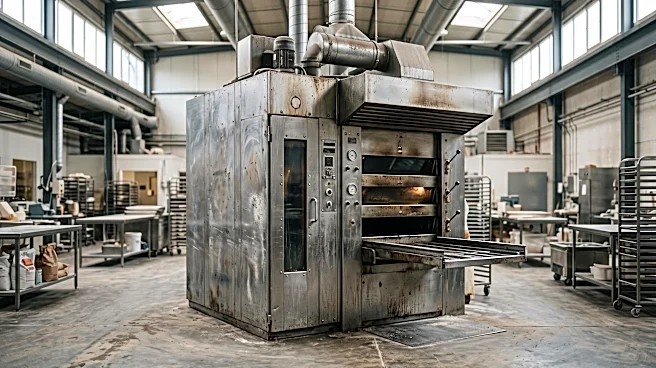
The Premium Breadmakers Association of Nigeria (PBAN) has reported that approximately 40% of its members have ceased operations within the last two years. This significant number of closures is attributed primarily to escalating energy costs and high
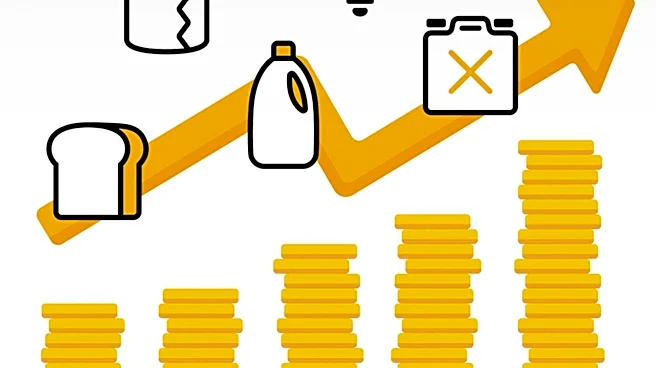
interest rates on loans. According to PBAN President, Engr Emmanuel Onuorah, energy expenses alone account for about 50% of bakery production costs. The association highlighted that the cost of borrowing in Nigeria, with interest rates exceeding 30%, makes it unsustainable for businesses to operate profitably, especially when profit margins from bread sales remain below this threshold. The Financial Secretary and Chairperson of the 2026 Day-Out Planning Committee, Adijat Olaniyi-Olopade, further illustrated the challenge, stating that her bakery's monthly diesel expenditure surged from N9 million to N19 million without a corresponding increase in bread prices. PBAN is urging the Federal Government to intervene by providing grants and single-digit interest loans to help the struggling industry.
Why It's Important?
The widespread closure of bakeries in Nigeria due to high operational costs has significant implications for the nation's food security and economy. Bread is a staple food for many Nigerians, and the reduction in production capacity could lead to shortages, increased prices, and food insecurity. The situation also highlights broader economic challenges facing small and medium-sized enterprises (SMEs) in Nigeria, including the impact of inflation, energy price volatility, and a difficult lending environment. The inability of businesses to access affordable credit or manage rising input costs stifles economic growth, leads to job losses, and can deter new investments. The call for government intervention underscores the critical role of policy in supporting local industries and ensuring the availability of essential goods, preventing a ripple effect across the supply chain and impacting household budgets.
What's Next?
PBAN is actively lobbying the Federal Government for financial relief, specifically requesting grants and single-digit interest loans to help its members survive. The association also pointed out the financial challenges of switching to alternative energy sources like compressed natural gas (CNG), estimating that a small bakery would need N40 million to N50 million for a hybrid energy system. If the government responds positively, it could involve implementing targeted financial aid programs, negotiating with commercial banks for more favorable lending terms, or exploring subsidies for energy costs for essential industries. Without such interventions, more bakeries are likely to close, further exacerbating food supply issues and unemployment. The situation may also prompt a broader review of energy policies and support mechanisms for SMEs in Nigeria.
Beyond the Headlines
The plight of Nigerian breadmakers reflects a deeper systemic issue within the country's economic framework, where essential industries are struggling against a backdrop of high operational costs and limited financial support. This situation could lead to a consolidation of the breadmaking industry, with smaller, independent bakeries being forced out, potentially leading to less competition and higher prices for consumers in the long run. It also raises questions about the effectiveness of existing government intervention funds, as PBAN members reportedly have not successfully obtained loans from institutions like the Bank of Industry. The crisis in the bakery sector could serve as a bellwether for other manufacturing and food processing industries in Nigeria, signaling a need for comprehensive economic reforms that address energy infrastructure, access to affordable credit, and support for local production to ensure national resilience and food sovereignty.