


What's Happening?
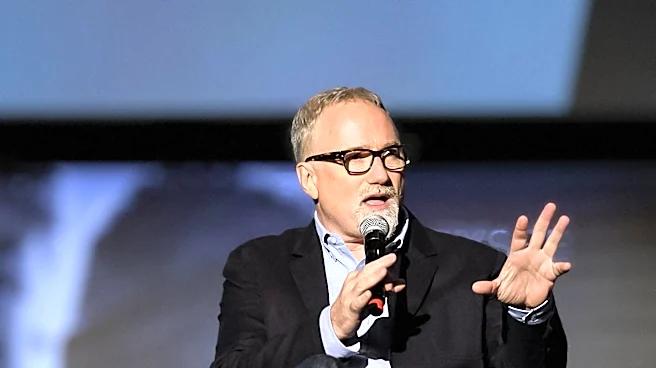
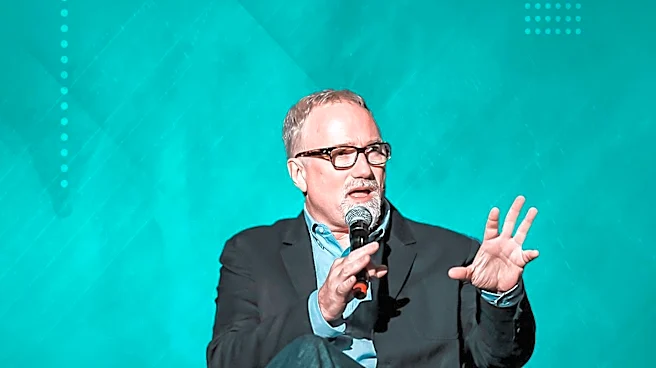
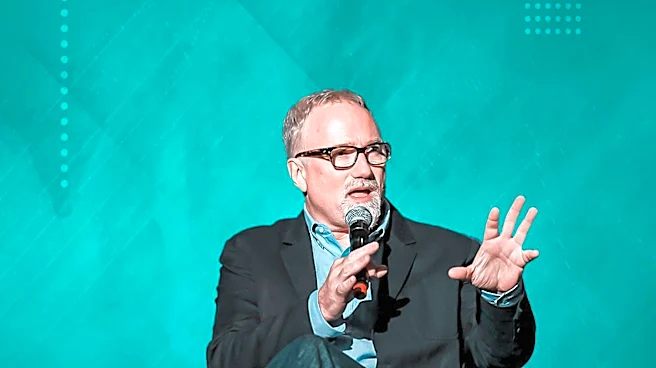
Director David Fincher has confirmed the use of artificial intelligence in the post-production of his latest film, 'The New Misadventures of Cliff Booth,' a sequel to 'Once Upon a Time in Hollywood,' starring Brad Pitt. Fincher, known for his meticulous
approach, stated that AI was employed to refine elements such as lip synchronization and minor visual imperfections, like ensuring no hair obstructs an actor's eye. This application of AI, which Fincher describes as 'liberating,' aims to streamline the filmmaking process, reducing the need for numerous takes to achieve perfection. The film has been released in select IMAX theaters and is scheduled for release on Netflix on December 23. Netflix, co-producer of the film, has also embraced AI in its production pipeline, having acquired an AI-specialized startup and utilizing generative AI in over 300 titles within its catalog this year. Early critical viewings have noted some AI-enhanced sequences, with some critics finding them less fluid.
Why It's Important?
The integration of AI in a high-profile film by a renowned director like David Fincher signifies a growing trend and a potential shift in Hollywood's production methodologies. This development could lead to increased efficiency and creative control for filmmakers, allowing them to perfect scenes with greater precision and potentially reduce production costs and timelines. However, it also intensifies the ongoing debate within the film industry regarding AI's role. While proponents like Fincher view it as a valuable tool for enhancement, other prominent directors, including Michael Bay, Guillermo Del Toro, Steven Spielberg, and Christopher Nolan, have expressed concerns that AI may stifle original creativity and merely imitate rather than innovate. This divergence of opinion highlights a critical juncture for the industry, as decisions made now could shape the future of filmmaking, impacting jobs, artistic integrity, and the very nature of cinematic storytelling.
What's Next?
The release of 'The New Misadventures of Cliff Booth' on Netflix will provide a broader audience and more critics with the opportunity to evaluate the subtle and overt impacts of AI in its post-production. This wider exposure is likely to fuel further discussion and scrutiny within the film community and among viewers. As Netflix continues to invest in AI technologies and integrate them into its productions, other major studios may follow suit, accelerating the adoption of AI tools across Hollywood. The ongoing debate between filmmakers who embrace AI as a creative aid and those who view it as a threat to traditional artistry is expected to intensify, potentially leading to new industry standards, ethical guidelines, or even union negotiations regarding the use of AI in film production. The industry will be closely watching how audiences react to AI-enhanced content and how these technologies evolve to address current criticisms regarding fluidity and naturalness.
Beyond the Headlines
The use of AI in filmmaking, as demonstrated by David Fincher, extends beyond mere technical efficiency; it touches upon fundamental questions of authorship, artistic authenticity, and the future of human creativity in the arts. If AI can seamlessly correct imperfections and even generate elements of a scene, it blurs the lines between human input and algorithmic contribution, raising ethical considerations about credit and the definition of a director's vision. This trend could lead to a re-evaluation of traditional film crafts, potentially diminishing the demand for certain specialized roles while creating new ones in AI supervision and integration. Furthermore, the debate reflects a broader societal concern about the increasing role of AI in creative fields, prompting discussions about whether technology enhances or diminishes the human element in art. The long-term implications could include a shift in audience perception of what constitutes 'authentic' cinema and a redefinition of artistic skill in an era where machines can perfect visual and auditory elements.