





What's Happening?
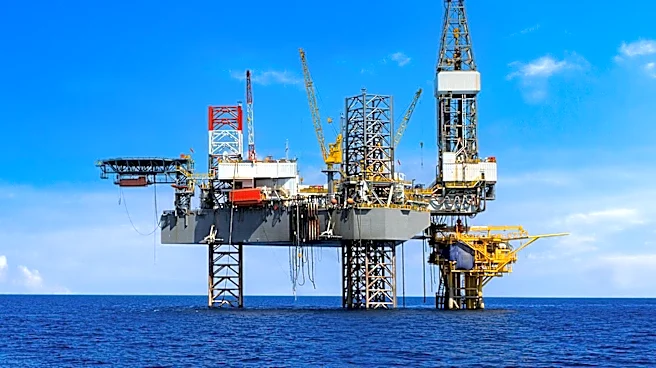
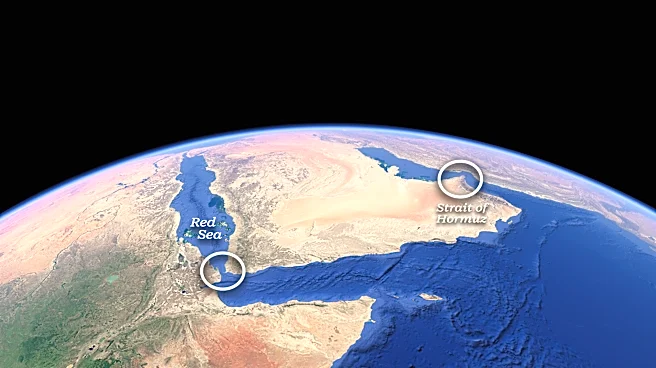
Brent crude oil prices have surged past $100 per barrel, driven by escalating tensions in the Middle East. The situation is exacerbated by threats of a blockade in the Bab al-Mandab Strait, a critical passage for global oil shipments. The U.S. strategic
petroleum reserve has been significantly depleted, reaching its lowest level since 1983, contributing to the current fuel shortage. Additionally, refinery activities have not kept pace with crude deliveries, tightening the market for refined products like diesel and gasoline. The ongoing conflict in the Middle East, particularly involving Iran and its proxies, has disrupted global oil supplies, raising concerns about further price hikes.
Why It's Important?
The rise in oil prices has significant implications for the global economy, particularly for the U.S., where higher fuel costs can lead to increased inflation and impact consumer spending. Industries reliant on oil, such as transportation and manufacturing, may face higher operational costs, potentially leading to increased prices for goods and services. The geopolitical tensions in the Middle East also pose risks to global energy security, with potential supply disruptions affecting international markets. The situation underscores the vulnerability of global oil supply chains to regional conflicts and the importance of strategic reserves in mitigating such risks.
What's Next?
If tensions in the Middle East continue to escalate, further disruptions in oil supply could occur, potentially driving prices even higher. The U.S. and other countries may need to explore alternative energy sources or increase domestic production to offset the impact. Additionally, diplomatic efforts may be necessary to de-escalate the situation and ensure the stability of global oil markets. The potential for further conflict in the region could also lead to increased military and political involvement from major global powers.