






What's Happening?
Hygge, the Danish concept of coziness, continues to be a prominent aesthetic trend in the U.S., particularly as temperatures drop. This lifestyle emphasizes creating a comfortable and inviting atmosphere through elements like warm candlelight, chunky
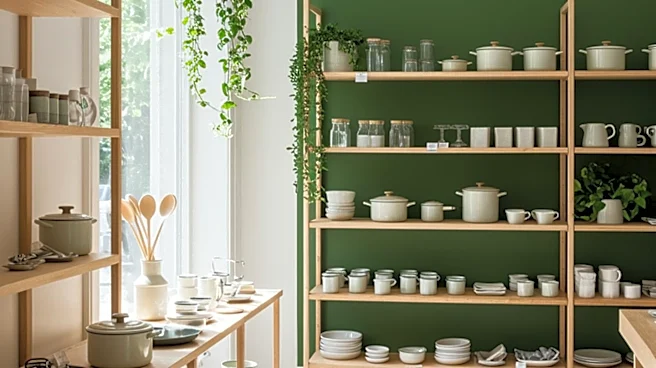
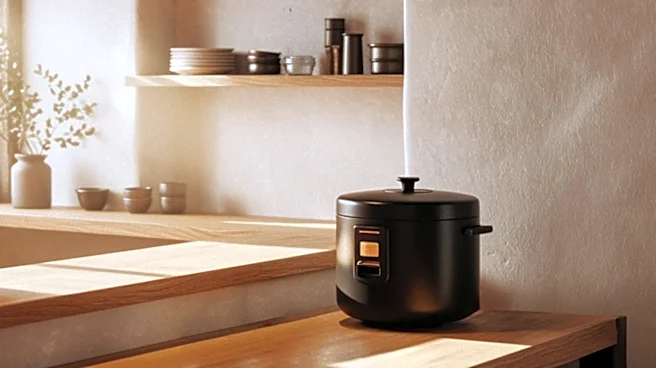
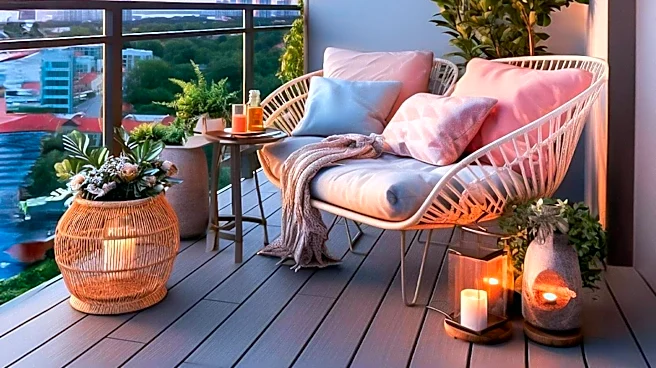
knits, steaming mugs, and unhurried mornings. It is frequently adopted by wellness brands, home decor campaigns, and seasonal social content creators. The trend is characterized by warm neutral tones and a focus on slow-living, encouraging individuals to embrace mindfulness and well-being. Examples of hygge aesthetics include candlelit evening scenes with cocoa, snowy window reading nooks with books and knit blankets, and fireside retreats featuring armchairs and crackling wood stoves. The concept also extends to outdoor settings, such as brisk walks in autumn with scarves and thermoses, and simple still-life arrangements of candles and pinecones.
Why It's Important?
The enduring popularity of the hygge lifestyle in the U.S. reflects a broader societal shift towards prioritizing comfort, mental well-being, and a slower pace of life. This trend significantly impacts various U.S. industries, including home decor, fashion, and wellness. Businesses in these sectors are increasingly incorporating hygge-inspired designs and marketing strategies to appeal to consumers seeking to create more serene and inviting personal spaces. The emphasis on 'slow-living' also influences consumer behavior, encouraging purchases of products that promote relaxation and mindfulness, such as cozy textiles, aromatic candles, and items for at-home comfort. This cultural adoption suggests a growing desire among Americans to counteract the stresses of modern life by cultivating environments that foster peace and contentment, thereby driving demand for products and services aligned with these values.
What's Next?
As the hygge trend continues to evolve, it is likely to see further integration into various aspects of U.S. consumer culture. Expect to see more product lines in home goods, apparel, and even food and beverage sectors specifically marketed with hygge principles in mind. The concept may also influence urban planning and interior design, with a greater focus on creating public and private spaces that evoke warmth and comfort. Furthermore, the emphasis on mindfulness and well-being inherent in hygge could lead to an increase in related services, such as guided meditation, wellness retreats, and workshops on creating hygge-inspired living spaces. The trend's adaptability to different seasons, as seen with outdoor hygge elements, suggests its continued relevance beyond just winter months, potentially expanding its influence year-round.
Beyond the Headlines
The widespread embrace of hygge in the U.S. points to deeper cultural and psychological implications. It highlights a collective yearning for authenticity and simplicity in an increasingly complex and digital world. The focus on creating a 'cozy' environment can be seen as a form of self-care, offering a refuge from external pressures and promoting mental health. Ethically, this trend encourages conscious consumption, favoring quality, comfort, and longevity over fleeting trends. It also subtly promotes a shift away from materialism towards valuing experiences and emotional well-being. Culturally, hygge's popularity suggests an appreciation for Scandinavian design principles and a growing interest in international lifestyle philosophies that offer alternatives to traditional American consumerism, fostering a more mindful and intentional approach to daily living.