






What's Happening?
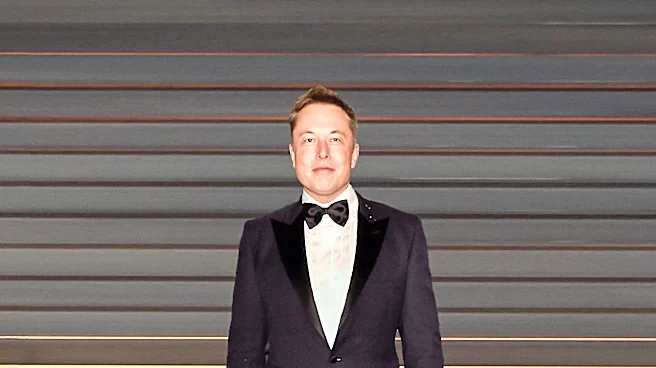
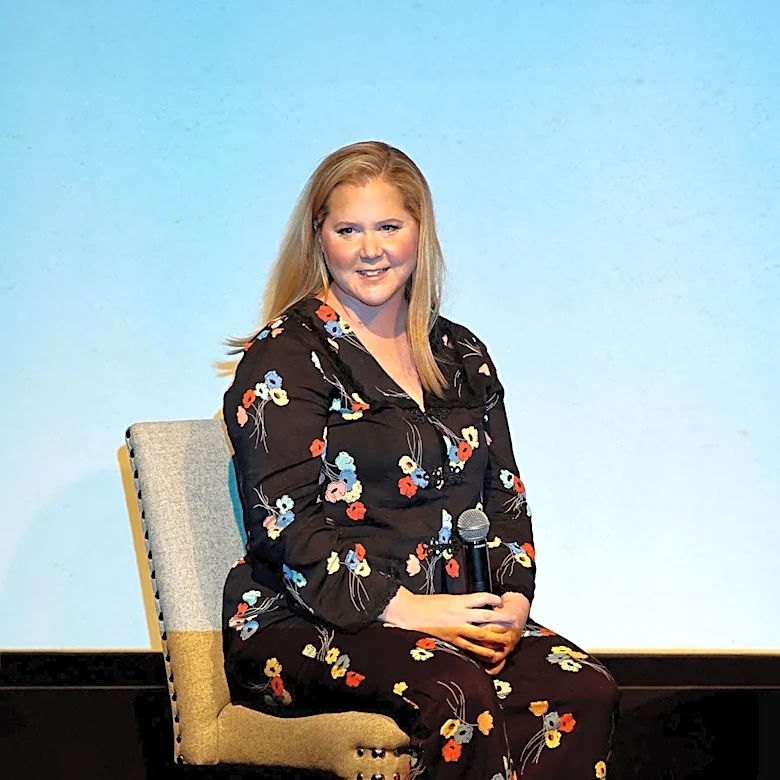
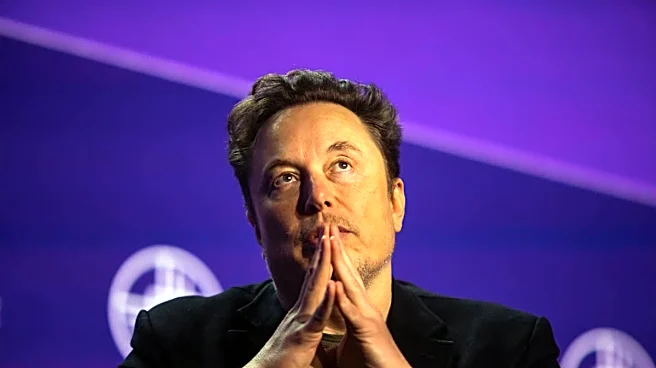
Elon Musk, CEO of Tesla and SpaceX, has publicly criticized MacKenzie Scott's philanthropic efforts, suggesting that her donations are making the world worse. Scott, the ex-wife of Amazon founder Jeff Bezos, has donated over $26 billion to various causes
through her organization, Yield Giving. Her contributions have primarily supported progressive initiatives such as racial equity, immigration, climate change, and LGBTQ+ advocacy. Musk's criticism came in response to a social media post that questioned the effectiveness of Scott's donations. He has previously expressed skepticism about philanthropy, arguing that it often fails to produce lasting benefits and can lead to unintended consequences. Instead, Musk advocates for creating impactful businesses as a more effective way to address global challenges.
Why It's Important?
Musk's comments highlight a broader debate about the role and impact of philanthropy versus business in addressing societal issues. While Scott's donations aim to support underfunded causes, critics like Musk argue that the effectiveness of such giving is questionable. This debate is significant as it reflects differing philosophies on how best to use wealth for social good. Musk's preference for business solutions suggests a belief in market-driven approaches to problem-solving, which contrasts with Scott's philanthropic strategy. The discussion also raises questions about accountability and the measurable impact of large-scale donations, influencing how future philanthropic efforts might be structured.
What's Next?
The ongoing debate between philanthropy and business as tools for social change is likely to continue, with stakeholders from both sectors weighing in. Scott may face increased scrutiny over the outcomes of her donations, potentially prompting her to provide more transparency about the impact of her giving. Meanwhile, Musk's comments could encourage other wealthy individuals to consider business ventures as a means of creating social impact. This discourse may also influence public perception and expectations of billionaires' roles in addressing global challenges, potentially shaping future philanthropic and business strategies.
Beyond the Headlines
The criticism of Scott's donations underscores a deeper issue regarding the allocation of philanthropic funds and the societal values they reflect. The focus on progressive causes may not align with all stakeholders' views, leading to polarized opinions on what constitutes effective giving. This situation highlights the ethical considerations in philanthropy, where the choice of causes can be as contentious as the act of giving itself. Additionally, the debate may prompt a reevaluation of how success is measured in philanthropy, potentially leading to new standards for assessing the impact of charitable contributions.