








What's Happening?
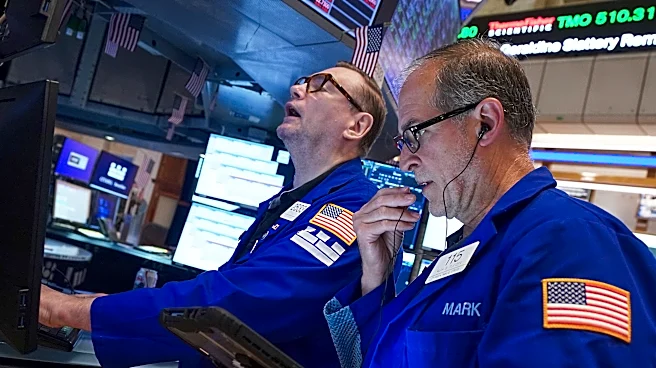
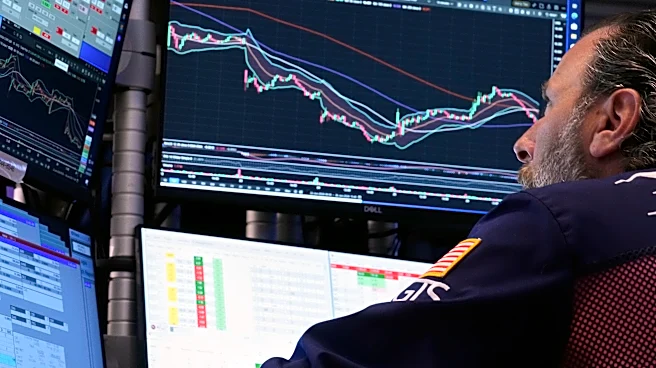
On Wednesday, U.S. stock markets experienced mixed movements as investors reacted to comments from Federal Reserve member Kevin Warsh at the ECB forum in Portugal. Warsh emphasized the need for price stability, stating that 'prices are too high,' but
did not provide specific guidance on future Fed policy. This, combined with new economic data, set the stage for the upcoming June jobs report. The Dow Jones Industrial Average and S&P 500 saw slight declines, while the Nasdaq dipped 0.6%, particularly affected by a drop in semiconductor stocks. Additionally, peace talks in Qatar faced setbacks as Iran refused to meet with President Trump's team, impacting oil prices.
Why It's Important?
Warsh's remarks and the economic data released are crucial for investors as they provide insights into potential future monetary policy and economic conditions. The emphasis on price stability suggests ongoing concerns about inflation, which could influence interest rate decisions. The faltering peace talks in Qatar add geopolitical uncertainty, affecting global oil markets and potentially impacting energy prices. These factors contribute to market volatility and influence investment strategies, as stakeholders assess the implications for economic growth and corporate earnings.
What's Next?
The June jobs report, scheduled for release on Thursday, will be closely watched for indications of labor market strength and its potential impact on monetary policy. Investors will also monitor developments in the peace talks and oil market, as these could have broader economic implications. The Federal Reserve's future actions regarding interest rates will remain a key focus, as they will affect borrowing costs and economic activity.