
What's Happening?
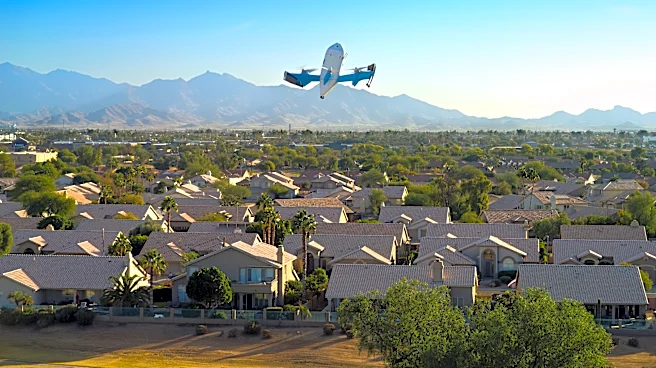
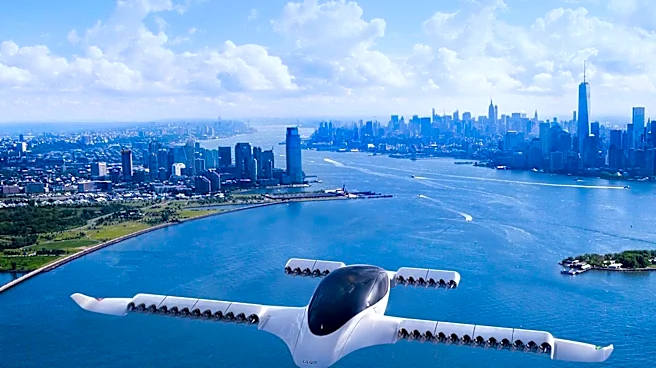
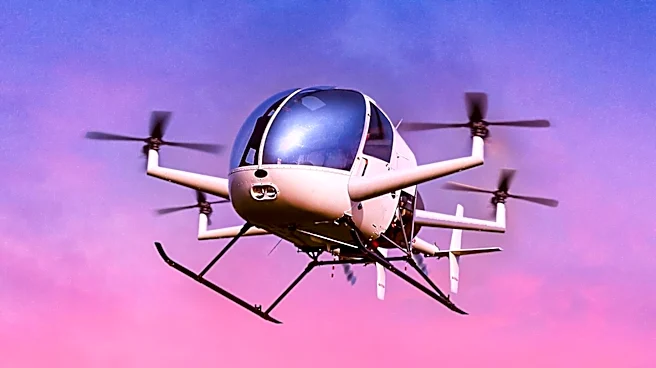
Joby Aviation is actively seeking a Staff Mechanical Engineer specializing in charging systems to support its electric Vertical Take-Off and Landing (eVTOL) aircraft fleet. This role is crucial for designing
and building the ground support equipment (GSE) necessary for charging and thermal conditioning, ensuring the continuous operation of Joby's eVTOL aircraft. The position involves leading the end-to-end mechanical architecture and development of these systems, which range from stationary high-power dispensers and charge handles to mobile all-in-one charging systems. These hardware solutions must function reliably in diverse environments, including airports, vertiports, and remote sites globally. The engineer will be responsible for designing fluid handling systems, packaging high-power electronics, producing comprehensive engineering documentation using CATIA, and managing prototype procurement. Joby Aviation has been working since 2009 to make piloted air taxis a reality and is currently in the final stages of certifying its aircraft with the FAA, with plans to launch commercial service in the U.S. and Dubai.
Why It's Important?
The recruitment of a Staff Mechanical Engineer for charging systems highlights a critical phase in the commercialization of eVTOL technology: the development of robust and reliable ground infrastructure. The success of Joby Aviation's piloted air taxi service, and indeed the broader eVTOL industry, hinges not only on the aircraft's performance but also on efficient and dependable charging and maintenance systems. This role is vital for ensuring the operational readiness and scalability of eVTOL fleets, which will directly impact the feasibility and widespread adoption of urban air mobility. For the U.S., the successful deployment of such infrastructure will be key to establishing vertiports and integrating eVTOL operations into existing transportation networks. The development of advanced charging solutions will also drive innovation in power delivery and thermal management technologies, potentially benefiting other electric vehicle sectors. This investment in infrastructure development signifies a tangible step towards making electric air travel a practical reality, creating new job opportunities and fostering technological advancements in the aerospace and energy sectors.
What's Next?
The Staff Mechanical Engineer will be instrumental in advancing Joby Aviation's ground support equipment, which is essential for the upcoming launch of commercial service in the U.S. and Dubai. The immediate focus for this role will be to lead the development of complex GSE systems from requirements definition through detailed design, build, and validation. This includes designing coolant loops, pressurized reservoirs, and dispenser assemblies, as well as packaging high-power electronics for field-deployable enclosures. The engineer will also be responsible for leading design validation and testing programs, supporting compliance for NRTL certification, and assisting with global field deployments. As Joby Aviation progresses through FAA certification, the efficient development and deployment of these charging systems will be critical to scaling manufacturing and preparing for the commercial launch. The company's continued hiring in specialized engineering roles indicates a strong commitment to building out the necessary infrastructure to support its eVTOL operations.
Beyond the Headlines
The demand for specialized engineers in eVTOL charging systems points to the complex ecosystem required to support advanced air mobility. Beyond the aircraft itself, the development of robust and standardized charging infrastructure will be a significant challenge and opportunity. This includes addressing issues such as power grid integration, energy storage solutions, and the safety protocols for high-power charging in urban and remote environments. The need for reliable GSE that can operate globally also suggests the potential for international standardization in charging technologies, which could facilitate cross-border eVTOL operations. Furthermore, the emphasis on thermal conditioning systems highlights the intricate engineering challenges associated with managing heat generated by high-power electrical components, a critical aspect for both safety and efficiency. The evolution of these ground systems will not only enable eVTOL operations but could also inform the development of charging infrastructure for other future electric transportation modes, contributing to a broader shift towards sustainable energy solutions.