





What's Happening?
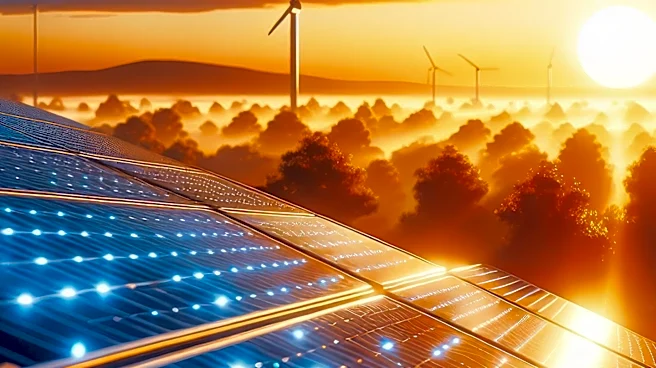
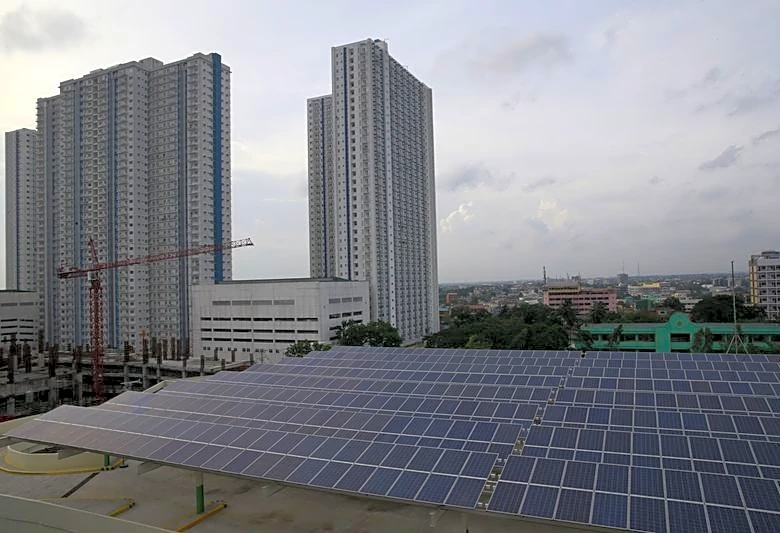
Copper is increasingly becoming a critical component in the global energy transition, driven by its essential role in electrification technologies. The demand for copper is surging due to its use in electric vehicles, renewable energy infrastructure,
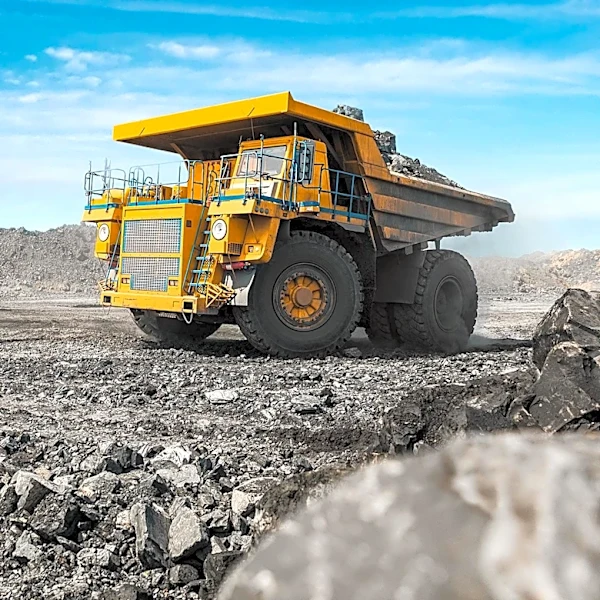
and artificial intelligence computing systems. However, the supply of copper is struggling to keep pace with this demand. The mining industry is facing a projected cumulative supply deficit of approximately 3 million tonnes by 2036. This shortfall is exacerbated by the long lead times required for developing new copper mines, which can take 15 to 20 years from discovery to production. Additionally, the decline in ore grades and the lack of major new discoveries over the past decade are contributing to the supply constraints.
Why It's Important?
The growing demand for copper is significant as it underpins the infrastructure needed for the global shift towards renewable energy and electrification. Copper's irreplaceable role in electrical applications makes it a cornerstone of modern infrastructure. The supply challenges could lead to sustained high prices, impacting industries reliant on copper, such as automotive and renewable energy sectors. The projected supply deficit highlights the need for substantial investment in copper mining and exploration. Without addressing these supply issues, the energy transition could face significant hurdles, potentially slowing down the adoption of electric vehicles and renewable energy solutions.
What's Next?
To address the supply-demand imbalance, the mining industry is likely to see increased investment in exploration and development of new copper mines. This may involve technological advancements in ore processing and the exploration of new mining regions. Additionally, mergers and acquisitions could become more prevalent as companies seek to secure copper resources. The involvement of state-backed entities, particularly from China, in securing copper supply through investments in mining projects may also shape the future landscape of the copper market. These developments will be crucial in determining whether the supply can meet the growing demand driven by the energy transition.
Beyond the Headlines
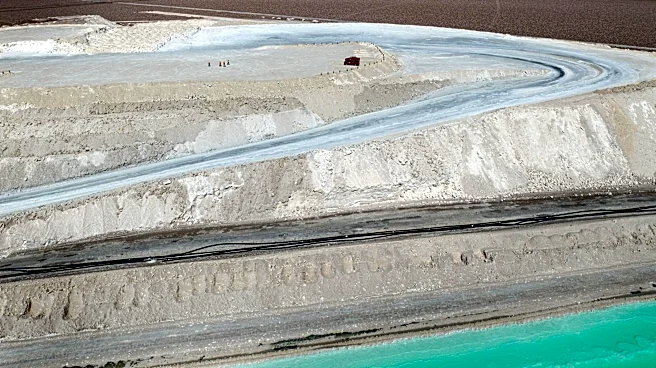
The copper supply challenge also raises broader questions about the sustainability of mining practices and the environmental impact of increased mining activities. As the industry seeks to meet demand, there may be a push towards more sustainable mining practices and the development of technologies that reduce the environmental footprint of copper extraction. Additionally, the geopolitical implications of copper supply, particularly in regions with complex political and social dynamics, could influence global trade patterns and the strategic decisions of countries dependent on copper imports.