
What's Happening?
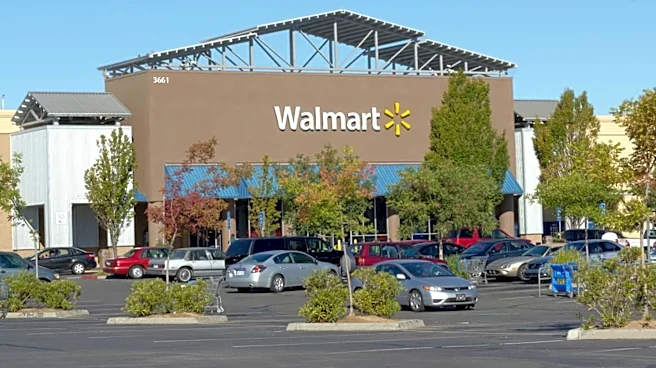
Walmart has announced it is utilizing a $2.9 billion tariff refund to reduce prices for consumers across its retail stores, Sam's Club locations, and digital platforms. This decision follows the Supreme
Court striking down broad tariffs imposed under the International Emergency Economic Powers Act (IEEPA), making Walmart eligible for a substantial refund. According to CBS News, Walmart has received 'substantially all' of this refund. Chief Financial Officer John David Rainey stated that a significant portion of these funds is being directed towards lowering prices on groceries and general merchandise. This initiative includes temporary discounts on thousands of items, such as Member’s Mark beef hot dogs, ground beef, and pork back ribs, as part of the company's broader 'Everyday Low Prices' strategy. This move comes as many American households continue to face elevated costs for groceries and other essential goods.
Why It's Important?
Walmart's decision to pass on a significant portion of its $2.9 billion tariff refund to consumers through price rollbacks is a notable strategy in the current economic climate. While other retailers have received similar refunds, Walmart is one of the few to publicly commit to directly lowering prices for shoppers. This action could provide much-needed relief to U.S. consumers grappling with inflation and affordability issues, particularly concerning grocery and household costs. The company views these price cuts as a long-term investment in customer loyalty, even if it pressures short-term profits. This approach could also intensify competition within the retail sector, potentially prompting other businesses to reconsider their pricing strategies to retain or attract customers. The move highlights the impact of tariff policies on corporate finances and the potential for these funds to influence consumer spending and market dynamics.
What's Next?
Consumers can expect to see continued temporary discounts across various grocery and general merchandise categories at Walmart and Sam's Club as the company deploys its tariff refund. The effectiveness of this strategy in boosting customer loyalty and sales will be closely watched, especially as the retail giant aims to maintain its market position. Other retailers who have received tariff refunds may face increased pressure to demonstrate how their windfalls are benefiting consumers or being reinvested in ways that enhance value. The broader economic impact of these price rollbacks, particularly on inflation and consumer spending patterns, will also be a key area of observation. Walmart's performance in the coming quarters will indicate whether this investment in lower prices translates into sustained growth and customer retention amidst ongoing economic pressures.
Beyond the Headlines
Walmart's utilization of the tariff refund to lower prices touches upon deeper implications regarding corporate responsibility and the distribution of economic benefits. The Supreme Court's decision to strike down the tariffs and the subsequent refunds to corporations raise questions about how such windfalls are managed and whether they should primarily benefit shareholders or consumers. Walmart's choice to prioritize price reductions for shoppers could set a precedent or at least influence public perception of corporate behavior in similar situations. This move also underscores the ongoing debate about the impact of trade policies, like tariffs, on both businesses and everyday citizens. It highlights how governmental decisions, even those later reversed, can have significant financial repercussions that ripple through the economy, ultimately affecting the purchasing power of American households.