









What's Happening?
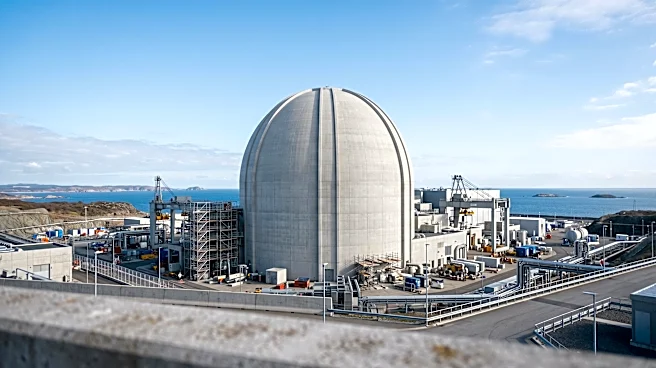
PGE Polska Grupa Energetyczna (PGE), a state-owned power company in Poland, is actively involved in the preparatory stages for the construction of the country's second nuclear power plant. This initiative is part of Poland's updated nuclear power program,
which aims to reduce reliance on coal and enhance energy security. Under a new agreement signed with the Ministry of Energy and Polskie Elektrownie Jądrowe (PEJ), PGE will conduct site analyses and preliminary feasibility studies. PEJ, a special-purpose vehicle wholly owned by Poland's State Treasury, will serve as the investor and coordinator for the project. The first unit of this second nuclear power plant is projected to begin commercial operation around 2040. The overall program envisions six large pressurized water reactors with a combined installed capacity of 6-9 GWe by 2040. A competitive dialogue is currently underway to select a technology supplier and project contractor, with the USA, France, and Canada participating in the process.
Why It's Important?
This development is crucial for Poland's energy landscape and its broader economic strategy, as it signifies a major shift towards nuclear energy to achieve energy independence and reduce carbon emissions. The construction of a second nuclear power plant will diversify Poland's energy mix, which has historically been heavily dependent on coal. This move aligns with global efforts to transition to cleaner energy sources and meet climate targets. For the U.S., France, and Canada, their participation in the competitive dialogue for technology supply presents significant business opportunities and strengthens international energy cooperation. The project's success could also influence other nations considering nuclear power as a viable energy solution, potentially fostering further international partnerships in the nuclear sector. The long-term strategic importance lies in securing a stable and reliable energy supply for Poland, which is vital for its industrial growth and economic stability.
What's Next?
The immediate next steps involve the continuation of the competitive dialogue to select a strategic partner and technology supplier for the second nuclear power plant, with a decision expected in 2027. Following this, construction is anticipated to commence around 2032. PGE will proceed with detailed site analyses and preliminary feasibility studies in collaboration with potential technology suppliers. The Ministry of Energy will make the final investment decision after thorough research and analysis confirm the project's feasibility. The updated nuclear power program schedules the first unit of the second plant to start up around 2040. This timeline suggests a sustained period of planning, development, and construction, during which various stakeholders, including international technology providers and financial institutions, will play critical roles.
Beyond the Headlines
The push for nuclear power in Poland, exemplified by PGE's involvement in the second plant, reflects a broader geopolitical and economic strategy to enhance national energy security and reduce vulnerability to external energy supply fluctuations. This initiative also highlights the complex interplay between national energy policy, environmental goals, and international technological partnerships. The long-term commitment to nuclear energy could position Poland as a leader in Central and Eastern Europe for advanced energy infrastructure. Furthermore, the project's success could stimulate significant economic activity, including job creation in high-tech sectors and the development of a skilled workforce in nuclear engineering and operations. The ethical considerations around nuclear waste management and safety protocols will also be paramount throughout the project's lifecycle, requiring robust regulatory frameworks and public engagement.