
What's Happening?
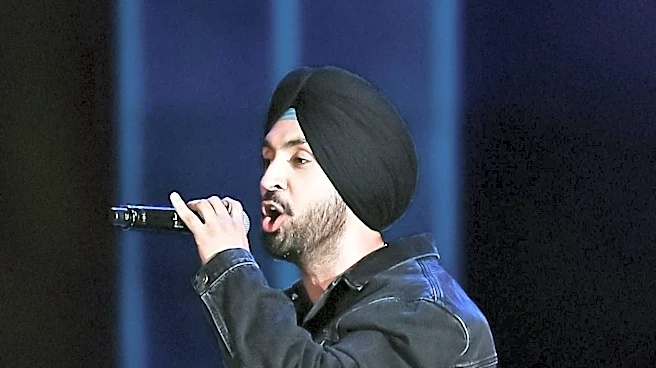
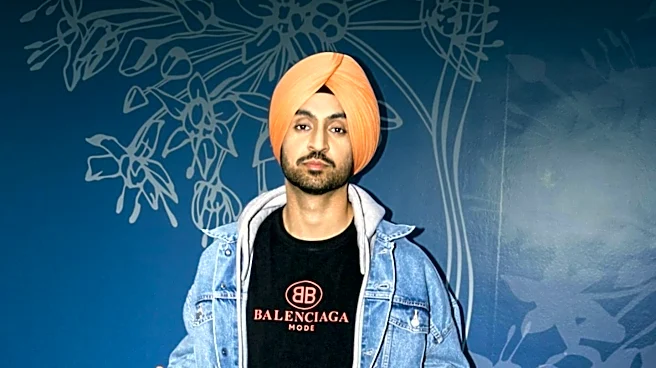
Dr. Punditrao Dharennavar, a Chandigarh-based professor, has responded to singer Diljit Dosanjh's comparison regarding music censorship. Dosanjh questioned why Coldplay could perform songs with lyrics
about being 'drunk and high' in Ahmedabad without objection, while his own songs faced restrictions. Dharennavar clarified that his objections are not solely directed at Dosanjh. He stated that he had previously raised concerns about Coldplay's song 'Hymn for the Weekend' before their January 2025 concert in Ahmedabad. According to Dharennavar, his complaint led to a notice being issued, asking Coldplay not to perform that specific song. He emphasized that he opposes all artists who sing about alcohol, drugs, and guns, citing previous complaints against various Indian artists and his support for the government's 'Nasha Mukt Bharat' (Drug-Free India) campaign.
Why It's Important?
This incident highlights a significant debate surrounding artistic freedom, cultural sensitivities, and perceived double standards in the music industry, particularly concerning lyrical content. For artists, it underscores the challenges of navigating diverse cultural norms and censorship efforts, which can impact their setlists and creative expression. The professor's stance, rooted in public health concerns and a national campaign against substance abuse, reflects a segment of society advocating for stricter moral guidelines in entertainment. The comparison between a Western band like Coldplay and a local artist like Diljit Dosanjh also brings to light potential biases or differing expectations placed on artists based on their origin or genre. This situation could influence how event organizers and regulatory bodies approach content approval for future concerts, potentially leading to more scrutiny of lyrics across the board.
What's Next?
The professor has expressed his intention to share a copy of the notice issued to Coldplay, which he claims specifically mentioned the song and its lyrics. This could further fuel public discussion on the consistency and fairness of censorship policies. Dharennavar has also appealed to Diljit Dosanjh to omit songs promoting alcohol and drugs from his future performances, hoping the singer will support the 'Nasha Mukt Bharat' campaign. This ongoing dialogue may prompt other artists to reconsider their lyrical content or face similar objections. Event organizers might also implement more rigorous pre-screening processes for song lyrics to avoid controversies. The outcome could set precedents for how lyrical content is regulated in public performances, potentially impacting the creative choices of musicians in the region.
Beyond the Headlines
This controversy delves into the complex interplay between artistic expression, moral policing, and national campaigns. It raises questions about who determines acceptable content in music and the extent to which cultural and governmental initiatives should influence artistic output. The 'double standards' argument, as raised by Dosanjh, points to a deeper issue of perceived inequity in how different artists or genres are treated, potentially reflecting underlying cultural biases. Furthermore, the professor's proactive approach in filing complaints against multiple artists underscores a growing trend of citizen activism in monitoring and influencing public entertainment. This situation could contribute to a broader conversation about the role of art in society, its responsibilities, and the boundaries of creative freedom in a culturally diverse and evolving landscape.