

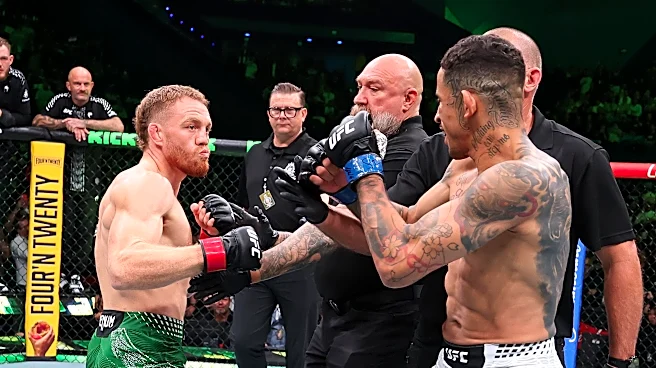

What's Happening?
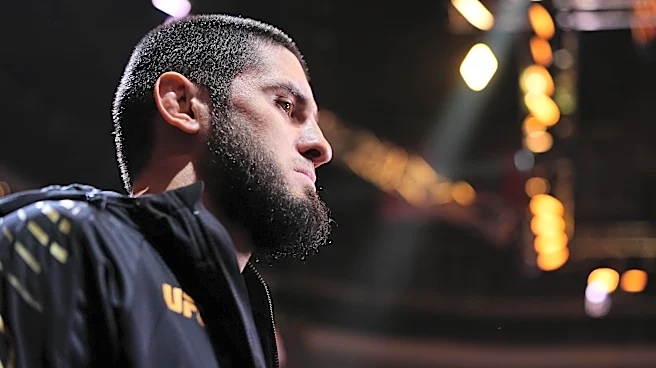
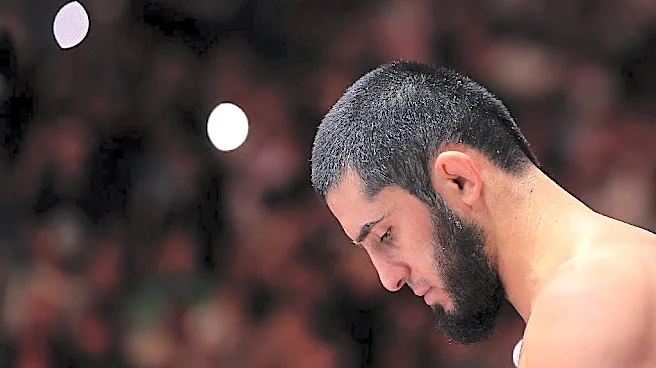
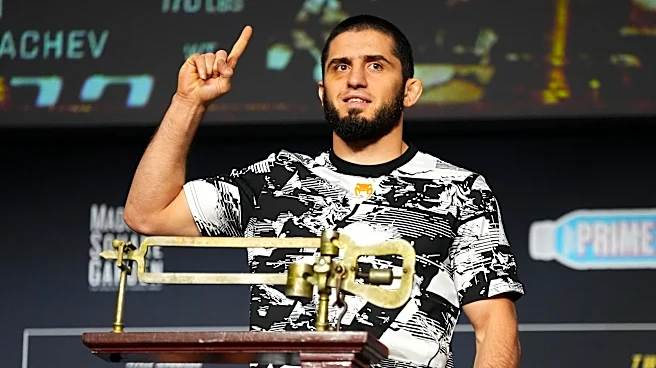
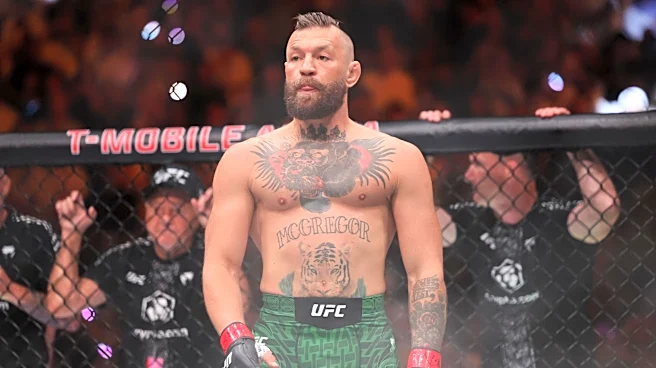
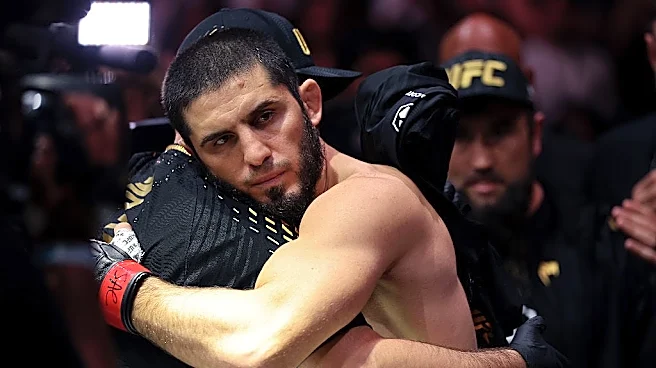
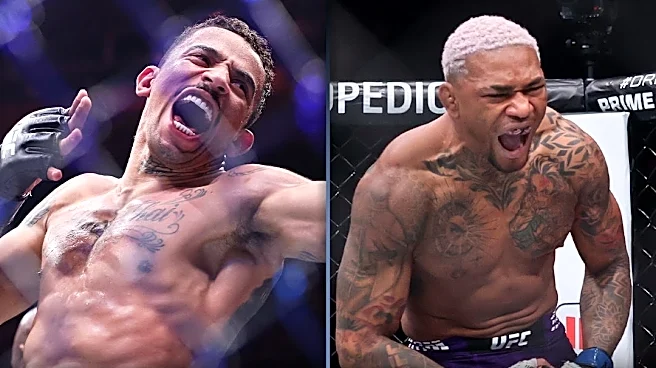
UFC fighter Carlos Prates has publicly criticized Khabib Nurmagomedov and Islam Makhachev for their approach to scheduling fights, accusing them of fighting only when they feel optimal and at their preferred frequency. Prates' comments arose after Islam Makhachev reportedly
pulled out of a proposed fight with him, leading Prates to face Michael Morales instead at UFC 336 on January 30. Prates expressed frustration over Makhachev's decision, which denied him a title shot. He highlighted Makhachev's tendency to fight once or twice a year, contrasting it with his own more aggressive fighting schedule. Prates also drew parallels to Khabib Nurmagomedov's championship reign, noting a similar pattern of infrequent fights, such as only one bout in his retirement year of 2020. UFC CEO Dana White has also weighed in on the issue, stating his preference for champions to fight at least twice a year to prevent divisions from becoming stagnant.
Why It's Important?
This criticism from Carlos Prates highlights a recurring debate within the UFC and the broader MMA community regarding fighter activity, particularly among champions. The practice of champions fighting less frequently can significantly impact the career trajectories of other contenders, potentially delaying their opportunities for title shots and affecting their earnings. When top fighters like Makhachev or Nurmagomedov engage in one or two fights per year, it can create a bottleneck in their respective divisions, leading to frustration among other athletes and potentially diminishing fan engagement due to longer waits between high-profile matchups. Dana White's comments underscore the UFC's interest in maintaining a dynamic fight schedule to keep divisions competitive and exciting. The issue also touches on the balance between a fighter's personal career management and the promotional needs of the UFC, affecting the overall health and competitiveness of the sport.
What's Next?
The immediate next step for Carlos Prates is his scheduled fight against Michael Morales at UFC 336 on January 30. His performance in this bout could influence his standing in the welterweight division and potentially lead to future title contention. For Islam Makhachev, his next fight remains uncertain, with discussions about his potential return after Ramadan. His future scheduling decisions will likely continue to be scrutinized by fellow fighters and fans, especially given his recent comments about his career nearing its end. The UFC will likely continue to navigate the challenge of balancing fighter preferences with the need to keep divisions active and competitive. The ongoing debate about fighter activity could prompt further discussions within the UFC about potential policies or incentives to encourage more frequent title defenses, ensuring a more consistent flow of high-stakes matchups.
Beyond the Headlines
The debate over fighter activity extends beyond mere scheduling; it delves into the economic and ethical dimensions of professional sports. For fighters like Prates, delayed title shots mean lost earning potential and a longer, more arduous path to career peak. From a promotional standpoint, infrequent fights by champions can lead to a decrease in momentum for a division, potentially impacting viewership and revenue for the UFC. Ethically, there's a question of fairness to other contenders who dedicate their lives to the sport but face prolonged waits due to a champion's limited activity. This situation also reflects broader trends in professional sports where top athletes often gain significant leverage in dictating their schedules, sometimes at the expense of the overall competitive flow of their sport. The discussion also touches on fighter welfare, as some argue that less frequent fights protect athletes from burnout and injury, while others contend it stifles competition.