






What's Happening?
Amazon has implemented price increases across several of its first-party devices, including Echo smart speakers, Fire TV products, Kindle e-readers, and eero wireless mesh networking systems. This move is attributed to significant increases in memory
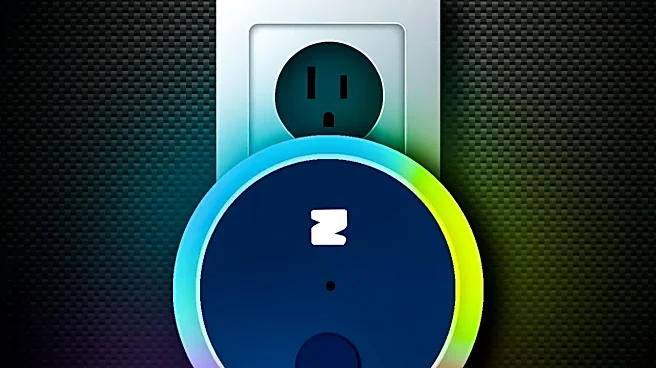
and storage component costs within the consumer electronics industry. For instance, the base Echo Dot's price has risen from $49.99 to $79.99, a 60% increase. Other affected products include the Echo Show 11, now $249.99 from $219.99; the 16GB Kindle, up from $109.99 to $149.99; and the Fire TV Stick 4K Max, which increased from $59.99 to $84.99. The eero 7 wireless mesh system saw its price go from $349.99 to $399.99, and the eero Pro 7 from $699.99 to $799.99. Amazon confirmed these adjustments, stating they absorbed these cost increases for as long as possible. Notably, prices for Ring products were not affected.
Why It's Important?
This price hike by Amazon reflects a broader trend in the technology sector, where companies are grappling with memory chip shortages and escalating component costs. The increases impact a wide range of popular consumer electronics, potentially affecting household budgets and purchasing decisions for millions of U.S. consumers who rely on these devices for smart home functionality, entertainment, and reading. Amazon's decision, despite its reputation for competitive pricing, underscores the severity of the supply chain pressures and the impact of increased demand for AI compute, which is driving up memory chip prices. This could lead to consumers re-evaluating their tech purchases or seeking alternative, more affordable brands. The move also highlights the financial strain on tech companies, as even giants like Amazon are forced to pass on costs to maintain profitability, potentially setting a precedent for further price adjustments across the industry.
What's Next?
Amazon plans to continue offering promotions across its product lineup throughout the year, aiming to keep products accessible despite the general price increases. This suggests that while base prices have risen, consumers may still find opportunities for discounts, particularly during major sales events. The company is also preparing for an upcoming fall event to showcase its newest devices, which will likely feature these adjusted price points. The broader industry may see continued price adjustments from other manufacturers as memory chip shortages persist, driven by the immense demand for AI infrastructure. Amazon CEO Andy Jassy has indicated that the company expects to devote significantly more capital to building data centers for AI services, suggesting that high memory costs will remain a factor through 2027, potentially influencing future product pricing and availability.
Beyond the Headlines
The underlying cause of these price increases—the 'significant increases in memory and storage component costs'—points to a critical vulnerability in the global technology supply chain. The surge in demand for AI compute, requiring vast quantities of high-performance memory chips, is creating a '100-year flood on memory pricing,' as described by Apple CEO Tim Cook in a similar context. This situation not only affects consumer electronics but also has profound implications for industries reliant on advanced computing, from cloud services to automotive manufacturing. The long-term shift towards AI-driven technologies means that demand for these components is unlikely to abate soon, potentially leading to sustained higher prices for a wide array of tech products. This could accelerate innovation in chip manufacturing and alternative memory technologies, or it could exacerbate digital divides if essential tech becomes less affordable for certain demographics.