


What's Happening?
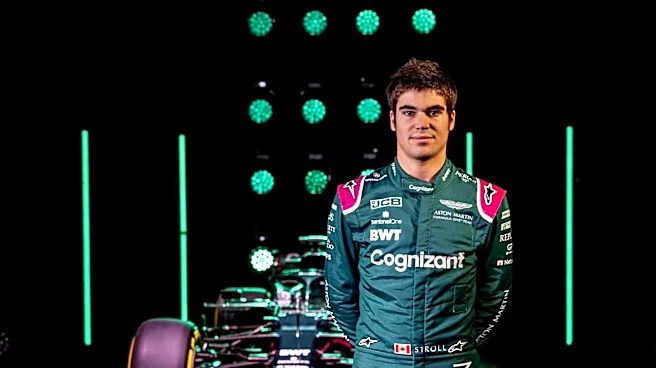
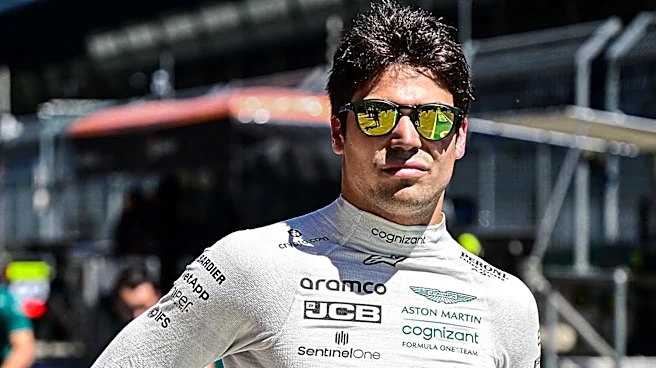
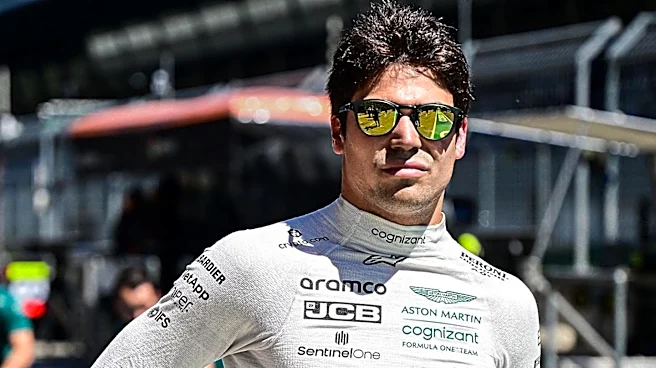
Rumors from the Formula 1 paddock suggest that Lawrence Stroll, owner of the Aston Martin F1 team, has expressed significant displeasure regarding criticism directed at his son, Lance Stroll, by commentator David Croft. According to journalist Peter Hardenacke
on Sky Germany’s Backstage Boxengasse podcast, Lawrence Stroll is reportedly unhappy with both English and German Sky broadcasters over their commentary on Lance Stroll. Hardenacke even suggested that Lawrence Stroll might have directly called Croft to address the issue. Lance Stroll has faced consistent criticism throughout his career, with many attributing his presence in F1 to his father's ownership or significant influence in every team he has raced for. Croft has previously commented on Lance Stroll's public image, noting his lack of openness with the media and tendency for one-word answers, which does little to quell questions about his F1 tenure. In 2023, Croft even speculated that Stroll might leave the sport within a year and a half. Ralf Schumacher also weighed in, stating that Lance Stroll is simply slower than his teammate, Fernando Alonso, and questioned Lawrence Stroll's business acumen if he applied similar emotionally driven decisions to his ventures as he does for his son's F1 career.
Why It's Important?
This situation highlights the intense scrutiny and pressure surrounding Formula 1 drivers, particularly those with familial ties to team ownership. The alleged intervention by Lawrence Stroll underscores the blurred lines between personal relationships and professional criticism in elite sports. For Aston Martin, persistent public criticism of one of its drivers, especially one whose father owns the team, can create an uncomfortable dynamic and potentially impact team morale and public perception. The comments from commentators like David Croft and former drivers like Ralf Schumacher reflect a broader sentiment within the F1 community regarding meritocracy versus financial backing in driver selection. This ongoing narrative could influence how sponsors and fans view the team, potentially affecting commercial interests and fan engagement. The perceived lack of media engagement from Lance Stroll, as noted by Croft, further complicates his public image and fuels the debate about his place in the sport, making it a significant point of discussion within the F1 ecosystem.
What's Next?
The rumors of Lawrence Stroll's direct contact with David Croft could lead to increased scrutiny on F1 commentary and the independence of sports journalists. Broadcasters and commentators might face pressure to temper their criticism, or conversely, they might double down on their objective analysis to maintain journalistic integrity. The ongoing performance of Lance Stroll will remain a key factor; improved results could alleviate some of the criticism, while continued struggles might intensify it. The Aston Martin team will likely need to manage the public relations aspect of this situation carefully to ensure it doesn't overshadow their on-track performance or impact team cohesion. Discussions about driver selection criteria in F1, particularly concerning 'pay drivers' or those with significant family backing, are likely to continue within fan communities and expert analyses, potentially influencing future team strategies and F1's overall image.
Beyond the Headlines
The incident touches upon deeper ethical considerations within sports journalism and the power dynamics inherent in professional sports. The alleged attempt by a team owner to influence media commentary raises questions about freedom of speech and the role of independent analysis in maintaining the sport's integrity. It also highlights the unique challenges faced by athletes who come from privileged backgrounds, where their talent and dedication are often overshadowed by perceptions of nepotism. This can create a cycle of skepticism that is difficult to break, regardless of individual performance. The broader implication is a potential chilling effect on critical reporting if team owners are perceived to be able to directly influence media narratives. This could ultimately diminish the credibility of sports commentary and reduce the transparency that fans expect from their favorite sports.