






What's Happening?
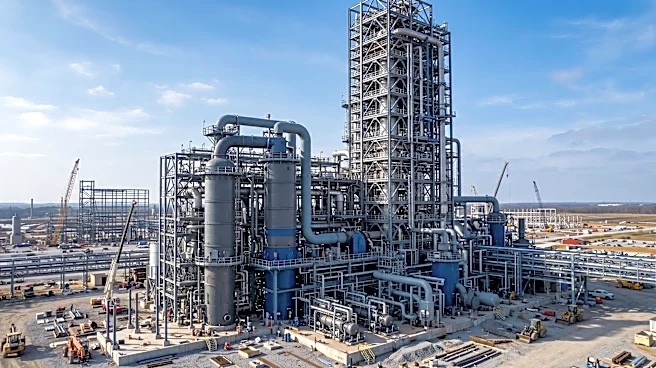
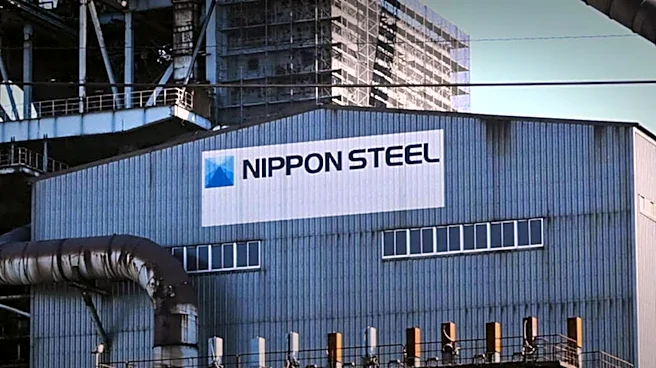
U.S. Steel, a subsidiary of Japan’s Nippon Steel, has commenced construction on a $1.9 billion direct reduced iron (DRI) plant in Osceola, Arkansas. This project represents the initial phase of a significant regional investment and is projected to generate
approximately 200 permanent, high-paying jobs. The facility is characterized as an innovative, next-generation plant, with active construction slated to begin by the end of 2026, following preliminary site preparations already underway. The new DRI plant is strategically located adjacent to the Big River Steel 2 complex, where U.S. Steel previously invested $3 billion, with steel production commencing in 2024. This new facility aims to establish a crucial link between U.S. Steel’s iron ore deposits in Minnesota and its electric arc furnaces (EAF) situated in Arkansas. The DRI technology employed will remove oxygen from iron ore without melting it, yielding high-quality feedstock that serves as a substitute for prime scrap, thereby enhancing supply reliability and reducing production costs. The resulting feedstock can also be processed into hot briquetted iron (HBI) for use at the Big River site or transported to other facilities, with finished products intended for the automotive industry, household appliance manufacturing, and solar energy sectors.
Why It's Important?
The construction of U.S. Steel's $1.9 billion DRI plant in Arkansas signifies a major strategic move within the U.S. steel industry, impacting domestic production capabilities and market dynamics. By integrating its Minnesota iron ore deposits with Arkansas EAFs, U.S. Steel aims to create a more efficient and cost-effective supply chain, potentially lowering production costs and increasing competitiveness. The plant's output, high-quality DRI, is a critical feedstock that can reduce reliance on prime scrap, a commodity subject to market fluctuations. This development is particularly important for sectors like automotive, home appliances, and solar energy, which depend on consistent access to quality steel. Furthermore, this investment, backed by Japanese capital, along with similar projects by other international investors in the U.S., will intensify competition for established U.S. EAF steelmakers such as Nucor Corp., Steel Dynamics Inc., and CMC. This increased competition could drive innovation, efficiency, and potentially influence pricing within the domestic steel market, ultimately benefiting downstream industries that rely on steel products.
What's Next?
With preliminary site preparations already in progress, active construction of the U.S. Steel DRI plant is scheduled to ramp up by the end of 2026. The project's progression will be closely watched by industry stakeholders, including competing steel manufacturers and sectors reliant on steel supply. The successful integration of the DRI plant with U.S. Steel's existing operations, particularly the Big River Steel 2 complex, will be a key indicator of its immediate impact. As the plant moves towards operational status, it is expected to create approximately 200 permanent, high-paying jobs, contributing to local economic development in Osceola, Arkansas. The market will also observe how the increased availability of DRI feedstock influences the pricing and supply dynamics of prime scrap and overall steel production costs. Furthermore, the plant's ability to supply high-quality steel to critical industries like automotive, household appliances, and solar energy will be a significant factor in its long-term success and its contribution to domestic manufacturing capabilities. The competitive landscape among U.S. EAF steelmakers is likely to evolve as this new source of feedstock comes online.
Beyond the Headlines
The U.S. Steel DRI plant project in Arkansas represents more than just an expansion of production capacity; it signals a broader shift in the U.S. steel industry towards more sustainable and technologically advanced manufacturing processes. DRI technology, which removes oxygen from iron ore without melting it, is generally considered more environmentally friendly than traditional blast furnace methods, potentially reducing carbon emissions associated with steel production. This aligns with global trends towards 'green steel' and could enhance the environmental profile of U.S. Steel's operations. The strategic linkage between Minnesota's iron ore and Arkansas's EAFs also highlights a move towards greater supply chain resilience and domestic resource utilization, reducing vulnerability to international market disruptions. Ethically, the creation of 200 high-paying jobs in Arkansas underscores the socio-economic benefits of such industrial investments in local communities. Legally and regulatory-wise, the project's development will likely adhere to stringent environmental and safety standards, setting a precedent for future industrial expansions. Culturally, this investment reinforces the importance of domestic manufacturing and innovation in maintaining the U.S.'s industrial base and technological leadership in critical sectors.