



What's Happening?
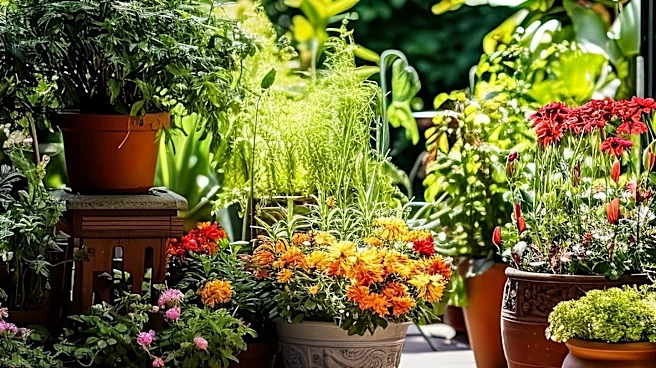
Container gardening provides a flexible method for cultivating various plants, including succulents, vegetables, and herbs, especially in areas with limited space. This technique involves using diverse containers, such as upcycled plastic bottles, to
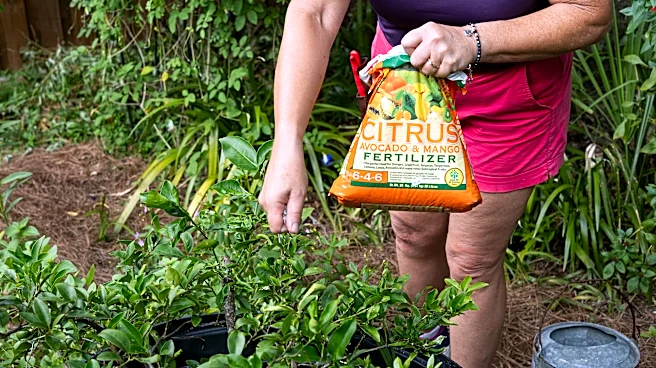
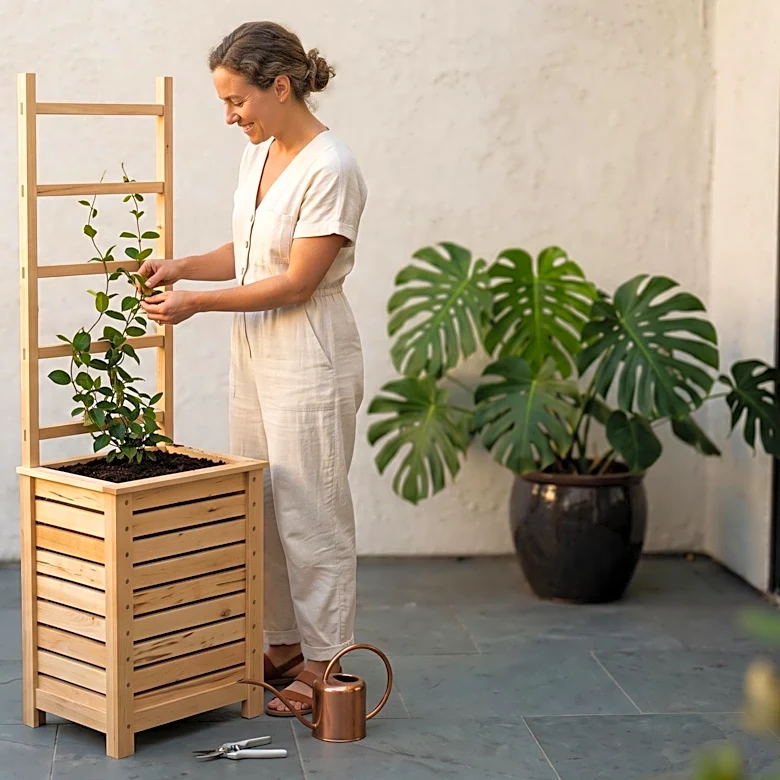
grow plants. For succulents, tiered planters crafted from plastic bottles are gaining popularity due to their aesthetic appeal and practical design. When growing vegetables, selecting the appropriate container size is crucial; for instance, peppers, eggplants, and cucumbers thrive in three-to-five-gallon containers, while larger plants like tomatoes, squash, and pumpkins require at least ten-gallon containers. Tools such as Felco F2 pruning shears are recommended for tasks like trimming plants and harvesting produce. Additionally, companion planting charts are valuable resources for organic pest control and optimizing vegetable pairings within container gardens.
Why It's Important?
The increasing popularity of container gardening is significant for urban dwellers and those with restricted outdoor space, offering a practical solution to engage in gardening. This method promotes sustainability through the upcycling of materials like plastic bottles for planters, reducing waste and encouraging creative reuse. For individuals interested in growing their own food, container gardening makes it accessible, potentially contributing to healthier eating habits and a greater understanding of food sources. The emphasis on organic pest control and companion planting also highlights a growing interest in environmentally friendly gardening practices, reducing reliance on chemical pesticides. This trend can foster community engagement through shared gardening tips and challenges, as seen in online communities, and supports local economies through the purchase of seeds, tools, and soil.
What's Next?
The trend of container gardening is expected to continue expanding, with innovations in container design and gardening techniques. We may see more readily available resources and kits tailored for specific plant types suitable for containers, such as specialized succulent kits or compact vegetable varieties. Community initiatives and online platforms are likely to further promote container gardening through contests, challenges, and shared learning experiences, encouraging more people to adopt this method. Educational content on topics like microclimate adjustments, companion planting, and scaling from small containers to larger plots will become more prevalent. Additionally, there could be an increased focus on sustainable and recycled materials for containers, aligning with broader environmental goals and consumer preferences for eco-friendly products.
Beyond the Headlines
Beyond its immediate benefits, container gardening subtly influences lifestyle and environmental consciousness. It encourages a deeper connection with nature, even in urban settings, fostering mental well-being and a sense of accomplishment. The practice of upcycling materials like plastic bottles for planters underscores a broader shift towards sustainable living and resourcefulness, challenging conventional consumption patterns. This form of gardening can also serve as an educational tool, particularly for children, teaching them about plant life cycles, food production, and environmental responsibility. Furthermore, the communal aspect, often facilitated by online groups and local initiatives, builds social connections and a shared passion for green spaces, contributing to community resilience and knowledge exchange. It represents a micro-movement towards self-sufficiency and ecological awareness in everyday life.