



What's Happening?
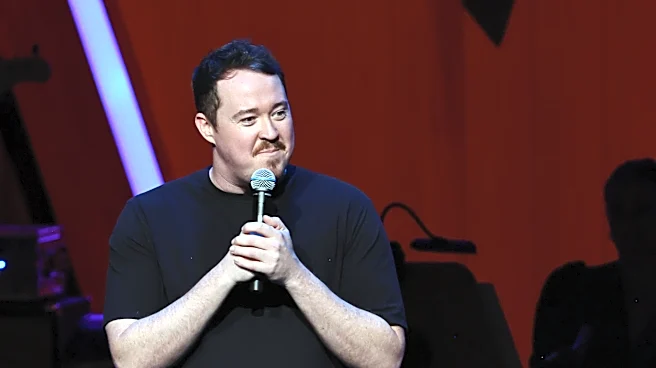
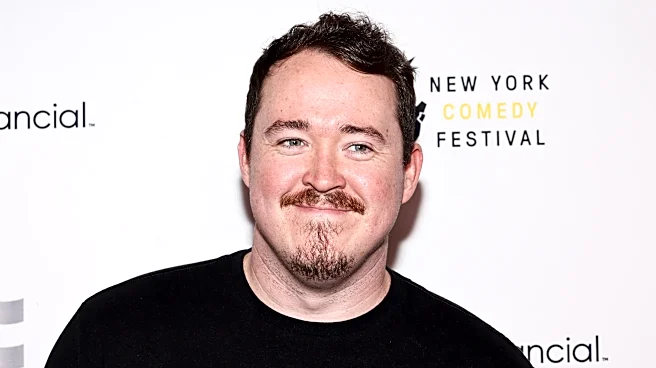
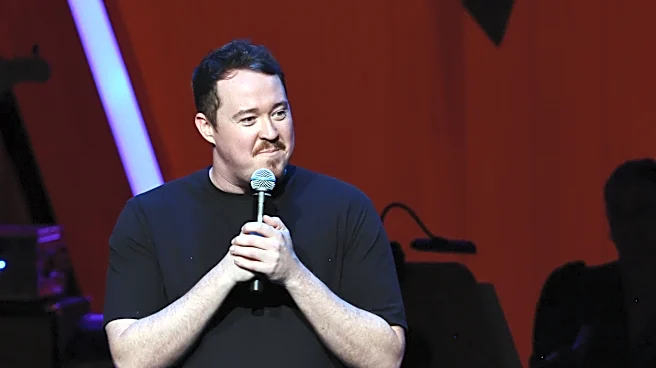
Comedian Shane Gillis' ex-girlfriend, Grace Brassel, has publicly criticized his recent 'Saturday Night Live' monologue, expressing no surprise at the backlash it received. According to Brassel, Gillis' monologue, which included jokes about women dressing
like 'whores' at the gym and using 'queer' and 'gay' as punch lines, reflects behavior she witnessed during their relationship. Brassel previously detailed her experiences with Gillis in a viral essay published in The Cut, where she accused him of cheating, emotional manipulation, and treating her as a live-in housekeeper. She also alleged that Gillis routinely referred to women as 'whores' and that she discovered he had been sexting another woman for months. Brassel claims Gillis' fans also harassed her, with one incident involving her being shoved into a bar table. Despite the controversy, Brassel predicts that Gillis' career will ultimately remain unaffected.
Why It's Important?
This situation highlights the ongoing public scrutiny faced by comedians regarding their material and personal conduct, particularly in the context of past relationships and allegations of misogyny. The public's reaction to Gillis' 'SNL' monologue, coupled with Brassel's prior accusations, underscores a broader cultural conversation about accountability for public figures. For the entertainment industry, this event could influence how networks and production companies vet talent, especially those with a history of controversial statements or personal conduct issues. It also brings to light the potential impact of social media and personal narratives on a celebrity's public image and career trajectory. The incident could also empower other individuals to come forward with their experiences, contributing to a shift in how such allegations are perceived and addressed within the public sphere.
What's Next?
Grace Brassel has indicated she is waiting to see if Shane Gillis will address her claims on his podcasts. The comedian has issued a brief statement acknowledging 'good times' with Brassel and wishing her 'the best,' but has not directly responded to the specific allegations. The public and media will likely monitor Gillis' future performances and public statements for any acknowledgment or further commentary on the controversy. The incident may also prompt ongoing discussions within the comedy community and among audiences about the boundaries of humor, particularly concerning gender and LGBTQ+ themes. The long-term impact on Gillis' career will depend on how he navigates these criticisms and whether his audience and industry stakeholders continue to support his work.
Beyond the Headlines
The controversy surrounding Shane Gillis extends beyond a typical celebrity scandal, touching upon deeper societal issues related to gender dynamics, power imbalances in relationships, and the responsibility of public figures. Brassel's decision to share her story, and the subsequent public reaction, reflects a growing trend of individuals using their platforms to hold powerful figures accountable for their actions. This case also raises questions about the 'cancel culture' phenomenon and whether public figures can genuinely recover from such controversies. Furthermore, the incident highlights the ethical considerations for media outlets in covering personal allegations against celebrities, balancing public interest with privacy concerns. The ongoing dialogue around Gillis' behavior and comedy style could contribute to a re-evaluation of what is considered acceptable in mainstream entertainment.