






What's Happening?
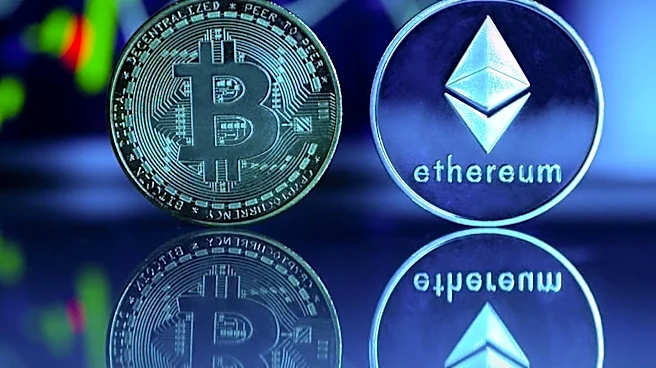
The cryptocurrency market is experiencing a period of weakness and uncertainty following two significant U.S. developments: the midterm elections and the latest Non-Farm Payrolls (NFP) report. The U.S. midterm elections resulted in the Democratic Party
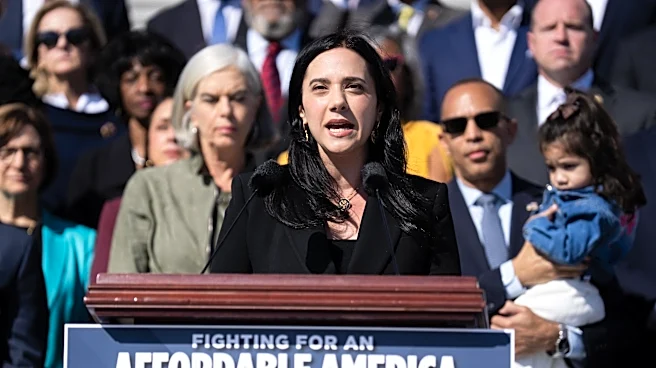
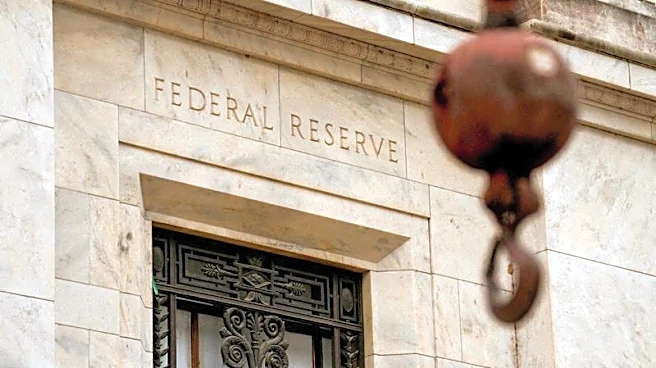
gaining control of both the Senate and the House of Representatives, along with numerous governorships. Initially, markets reacted calmly, but sentiment shifted as investors began to assess the implications of the new political landscape. Concerns about increased regulation, particularly in strategic industries like artificial intelligence, gained traction, leading to a deterioration of confidence in the U.S. technology sector and subsequently in risk-sensitive markets, including cryptocurrencies. Additionally, the NFP report showed a stronger-than-expected 165,000 new jobs in October, surpassing the anticipated 65,000. This robust employment data has led to increased expectations of a more aggressive Federal Reserve stance on interest rates, further impacting market confidence. The crypto Fear & Greed Index has moved back into 'fear' territory, indicating a slowdown in optimism.
Why It's Important?
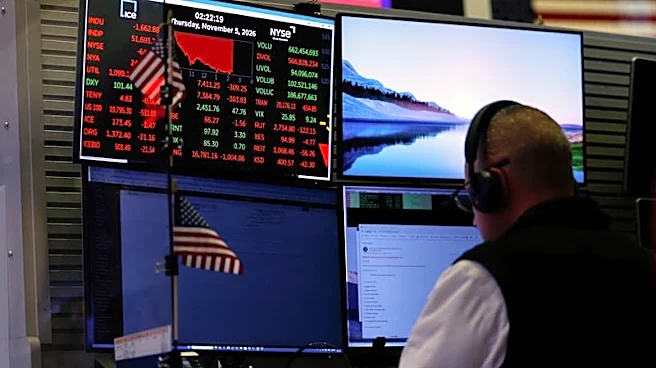
The current market dynamics highlight the cryptocurrency sector's sensitivity to U.S. political and economic developments. The Democratic Party's control of Congress raises concerns about potential new regulations for the crypto industry, which could hinder the advancement of initiatives like the Clarity Act that aimed to provide a clearer regulatory framework. This regulatory uncertainty can deter investment and slow growth within the sector. Furthermore, the strong NFP report suggests the Federal Reserve may maintain a more aggressive approach to combating inflation through higher interest rates. Higher interest rates typically increase borrowing costs and reduce market liquidity, making risk assets like cryptocurrencies less attractive compared to more conservative investments. This correlation between cryptocurrencies and traditional risk assets, such as the S&P 500, means that a downturn in U.S. equities can directly impact crypto valuations, affecting investors and market stability.
What's Next?
The cryptocurrency market is likely to remain sensitive to ongoing political and economic developments in the U.S. The increased regulatory scrutiny from the Democratic-controlled Congress could lead to new legislative proposals or stricter enforcement, potentially shaping the future operational environment for crypto businesses and investors. Market participants will closely monitor any statements or actions from the Federal Reserve regarding interest rates, as a continued aggressive stance could further limit the recovery of confidence in the crypto market. The evolution of the Fear & Greed Index will serve as a key indicator of investor sentiment. If confidence continues to struggle, it could reinforce the perception that capital is shifting towards more stable alternatives outside of risk assets, potentially prolonging the current phase of weakness in the cryptocurrency market.
Beyond the Headlines
The intertwining of U.S. political outcomes and macroeconomic indicators with the cryptocurrency market underscores a broader trend of digital assets becoming increasingly integrated into the traditional financial system. While cryptocurrencies were initially envisioned as decentralized and independent, their growing correlation with traditional risk assets and susceptibility to government policy demonstrate their evolving role. This integration brings both opportunities for mainstream adoption and challenges related to regulatory oversight and systemic risk. The ongoing debate over crypto regulation in the U.S. reflects a fundamental tension between fostering innovation and ensuring financial stability and consumer protection. The market's reaction to political shifts and economic data also highlights the need for greater clarity and consistency in regulatory frameworks to reduce uncertainty and promote sustainable growth in the digital asset space.