






What's Happening?
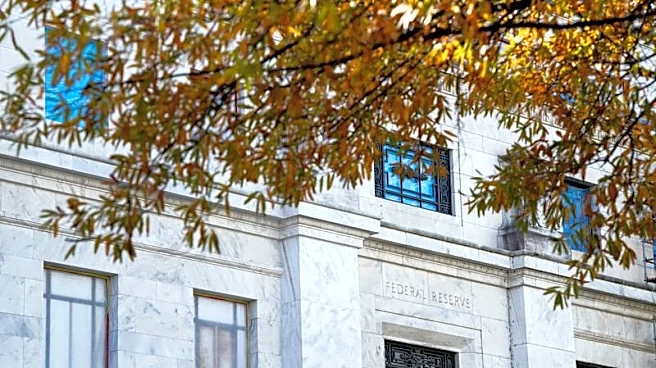
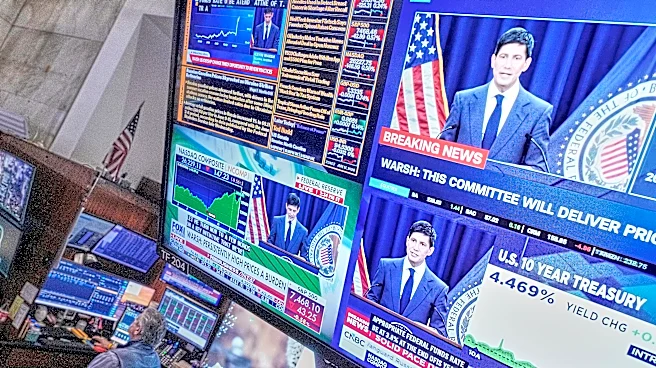
Kevin Warsh has taken over as the new Chair of the Federal Reserve, succeeding Jerome Powell. Despite the leadership change, the Federal Reserve's monetary policy remains focused on combating inflation. Warsh has emphasized the importance of returning
inflation to the 2% target, signaling a continuation of a hawkish approach. The Fed has raised its inflation forecast for 2026 and 2027, with expectations of further interest rate hikes. The policy rate for 2026 is projected to increase to 3.8%, with a similar trend expected for 2027. The market anticipates a high probability of another rate hike this year, reflecting the Fed's commitment to controlling inflation.
Why It's Important?
The Federal Reserve's focus on inflation under Kevin Warsh's leadership is significant for the U.S. economy. A hawkish stance may lead to higher interest rates, impacting borrowing costs for businesses and consumers. This could slow down economic growth but is necessary to prevent runaway inflation. The Fed's actions are crucial for maintaining confidence in the U.S. financial system, especially amid global economic uncertainties. Businesses with high debt levels may face challenges, while savers could benefit from higher interest rates on deposits.
What's Next?
The Federal Reserve's future actions will be closely watched by markets and economic stakeholders. Any changes in interest rates will have widespread implications for the economy, affecting everything from consumer spending to business investments. The Fed's ability to balance inflation control with economic growth will be critical in the coming months. Additionally, geopolitical developments, such as energy prices influenced by Middle East negotiations, could further impact inflation and the Fed's policy decisions.