





What's Happening?
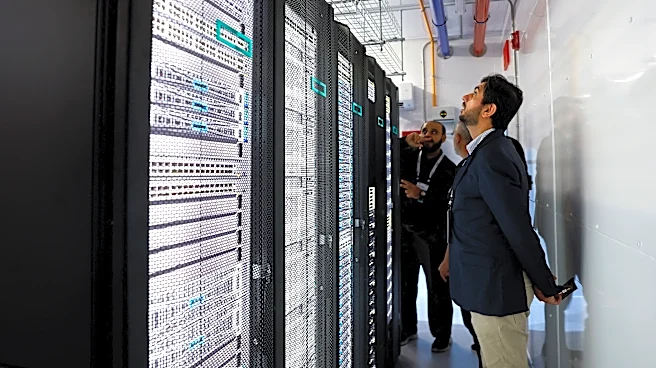
Southern Company (NYSE: SO), a major U.S. utility provider, has reported continued growth in electricity demand during its second quarter, largely fueled by data centers and large industrial customers. The company serves 9 million customers across the Southeast
and operates electric utilities in four states, along with natural gas distribution companies in four other states. Recent financial results indicate a 2.3% year-to-date increase in weather-normal retail electricity sales, marking the strongest first-half growth in nearly two decades. Data center usage alone surged by 55% year-over-year. Southern Company has secured a substantial pipeline of contracted demand, exceeding 17 gigawatts by the mid-2030s, including a 25-year, 3.2-gigawatt contract with OpenAI. Analyst confidence in the company's earnings outlook is growing, with the Zacks Consensus Estimate for 2026 earnings increasing by 6.74% to $4.59 per share, and the 2027 estimate rising by 7.12% to $4.91. The company plans significant regulated investment opportunities, projecting $81 billion in capital expenditures from 2026 through 2030, with approximately 95% allocated to state-regulated utilities, supporting a projected rate-base growth of 9%.
Why It's Important?
This robust growth in electricity demand, particularly from data centers, highlights a significant shift in the U.S. energy landscape. The increasing power needs of technology companies, especially those involved in artificial intelligence and cloud computing, are becoming a primary driver for utility sector expansion. Southern Company's strategic investments in generation, grid modernization, and renewable energy are crucial for meeting this escalating demand and ensuring grid reliability. The substantial capital expenditure plan of $81 billion underscores the scale of infrastructure development required to support this growth, which will have a ripple effect on regional economies through construction and related industries. The long-term contract with OpenAI provides a clear example of how major tech players are securing dedicated power supplies, influencing utility planning and investment strategies. This trend also raises important questions about cost allocation, as regulators and consumer advocates scrutinize how the expenses for new infrastructure, driven by large-load customers, are distributed among all customer classes, aiming to prevent residential and small-business customers from bearing disproportionate costs.
What's Next?
Southern Company is expected to continue its aggressive capital expenditure program, with $81 billion projected for investments between 2026 and 2030. This will involve ongoing construction of new generation facilities, grid modernization efforts, and expansion of transmission and distribution infrastructure to accommodate the growing demand from data centers and industrial customers. The company will also need to navigate regulatory processes in its service territories to ensure timely cost recovery for these significant investments. This includes engaging with utility commissions to establish rate cases and cost-recovery mechanisms that balance the needs of large-load customers with affordability for residential and small-business consumers. Furthermore, Southern Company will likely continue to explore various financing options, including debt issuance and equity-linked instruments, to fund its capital-intensive growth strategy. The company's ability to maintain a strong credit profile while managing these substantial investments will be a key focus for investors and rating agencies.
Beyond the Headlines
The surge in electricity demand from data centers, as exemplified by Southern Company's experience, points to a broader national trend that is reshaping the U.S. utility sector. This phenomenon extends beyond mere economic growth, touching upon critical aspects of national infrastructure, technological advancement, and environmental sustainability. The need for massive amounts of reliable, round-the-clock power for data centers, many of which are supporting AI and cloud computing, is accelerating the transition to cleaner energy sources and driving innovation in grid management. However, it also presents ethical and policy challenges, particularly regarding the equitable distribution of infrastructure costs and the environmental footprint of these energy-intensive operations. The long-term implications include potential shifts in regional economic development, as states and localities compete to attract data centers with promises of robust energy infrastructure. This dynamic necessitates a re-evaluation of traditional utility planning models, requiring more frequent updates and a more integrated approach to energy policy, economic development, and environmental stewardship.