





What's Happening?
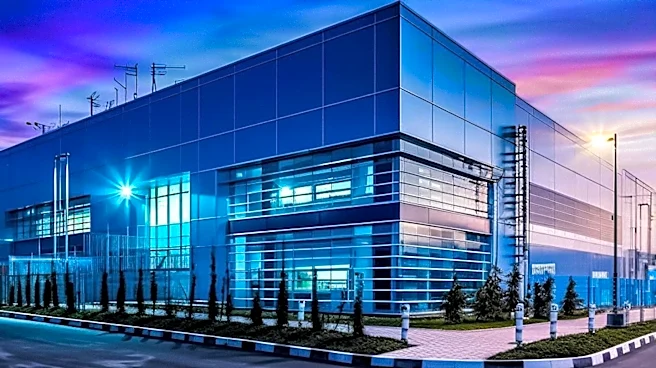
A new report by Cushman & Wakefield indicates a significant 'flight-to-quality' trend in the industrial real estate market, with tenants strongly preferring newly constructed buildings over older properties. This preference is driven by the demand for
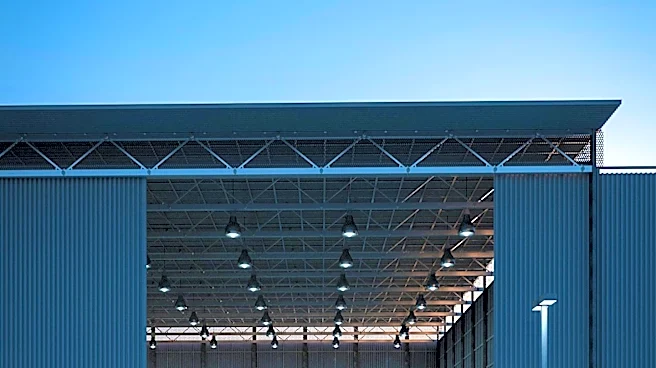
modern distribution facilities that offer higher clear heights, efficient dock configurations, and enhanced operational functionality, which are crucial for contemporary supply chain operations. Pat Murphy, Cushman & Wakefield Managing Director, highlighted that many tenants are seeking to upgrade to facilities that provide greater efficiency and better support for modern logistics. Industrial properties, encompassing manufacturing, warehouse & distribution, industrial, office service, and high technology, are seeing newer assets capture the majority of leasing activity and positive absorption. Conversely, older properties, particularly those built between 1980-1999 and 2000-2020, continue to experience occupancy losses.
Why It's Important?
This trend has significant implications for the U.S. industrial real estate market and the broader economy. The sustained demand for new, high-quality industrial spaces reflects the evolving needs of supply chains, which are increasingly reliant on automation, efficient storage, and rapid distribution. Companies are willing to pay a premium for these advanced facilities to improve operational efficiency and modernize their real estate footprints. This shift could lead to a widening gap between the value and occupancy rates of new versus old industrial properties, potentially creating challenges for owners of outdated facilities. It also signals continued investment in new construction, which can stimulate economic activity through job creation in construction and related industries. For businesses, securing modern facilities can be a competitive advantage, enabling faster order fulfillment and reduced operational costs, ultimately benefiting consumers through more efficient product delivery.
What's Next?
The 'flight-to-quality' trend is expected to continue, driving further development of new industrial real estate. While direct vacancy in newer buildings remains elevated compared to older inventory, the report notes that this vacancy has been falling sharply as new products are absorbed. This suggests that the market is actively adjusting to meet the demand for modern facilities. Owners of older industrial properties may face increasing pressure to invest in significant upgrades or consider repurposing their assets to remain competitive. The focus on operational efficiency and modern supply chain needs will likely influence future industrial development, with an emphasis on features like advanced automation capabilities, sustainable design, and strategic locations. This could also lead to increased innovation in industrial building design and technology to meet the evolving demands of tenants.
Beyond the Headlines
Beyond the immediate market dynamics, this trend reflects a broader transformation in how goods are stored, moved, and distributed in the U.S. The emphasis on 'enhanced operational functionality' and 'better support for modern supply chain operations' points to the increasing integration of technology and sophisticated logistics strategies within industrial spaces. This includes the adoption of robotics, advanced inventory management systems, and data analytics to optimize warehouse operations. The obsolescence of older buildings highlights the rapid pace of technological change and its impact on physical infrastructure. This could also have environmental implications, as newer buildings often incorporate more energy-efficient designs and sustainable materials, contributing to broader climate goals. The long-term effect could be a more resilient and technologically advanced supply chain infrastructure across the nation, but also a challenge for communities with aging industrial stock to adapt and attract new investment.