





What's Happening?
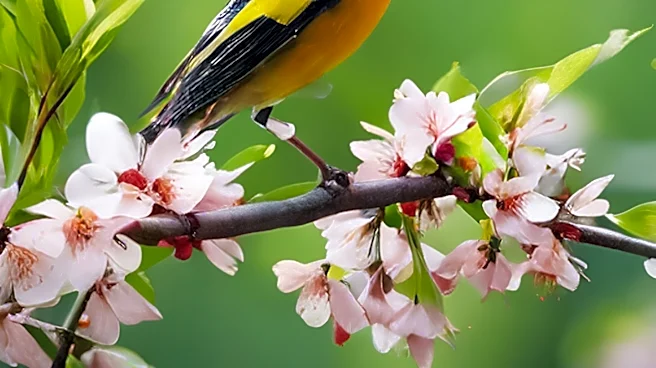
The hygge lifestyle, which emphasizes coziness and well-being, is gaining attention for its integration of nature and handcrafted decor. This lifestyle promotes spending time in natural spaces, supported by studies showing benefits of frequent park visits
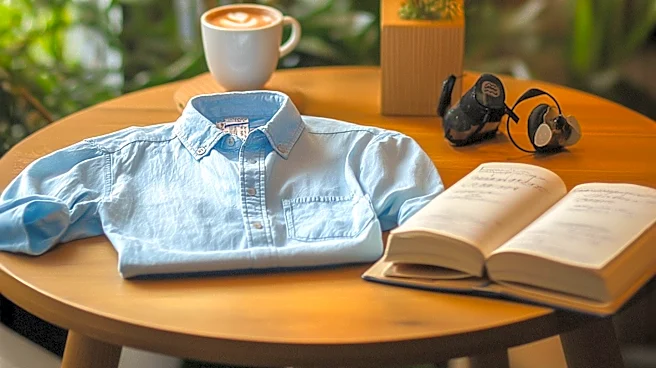
for emotional and social well-being. In Denmark, the concept of 'friluftsliv' or living life outdoors, is a cultural norm that encourages spending time in fresh air. This approach is mirrored in U.S. initiatives like the National Park Service's Healthy Parks Healthy People, which recognizes the health benefits of park access. The hygge lifestyle is also reflected in interior design trends, such as using earthy tones and layering textures to create inviting, warm spaces.
Why It's Important?
The hygge lifestyle's emphasis on nature and well-being has significant implications for public health and urban planning. By encouraging time spent in natural environments, it supports mental health and social connections, which are crucial in today's fast-paced world. This approach can influence public policy, as seen in initiatives that promote park access as a means to improve community health. Additionally, the integration of hygge principles in interior design can lead to more thoughtful living spaces that prioritize comfort and sustainability, potentially impacting consumer behavior and the home decor industry.
What's Next?
As the hygge lifestyle continues to gain popularity, it may lead to increased demand for urban green spaces and influence future city planning to incorporate more natural elements. This could also drive trends in the home decor market, with consumers seeking products that align with hygge principles. Policymakers and urban developers might focus on creating environments that facilitate outdoor living and community well-being, potentially leading to new initiatives and funding for park development and maintenance.
Beyond the Headlines
The hygge lifestyle's focus on nature and well-being could have long-term cultural impacts, promoting a shift towards more sustainable and mindful living. This could influence various sectors, including real estate, as demand for homes with access to natural spaces increases. Additionally, the emphasis on handcrafted and organic decor may boost local artisans and sustainable product markets, fostering economic growth in these areas.