





What's Happening?
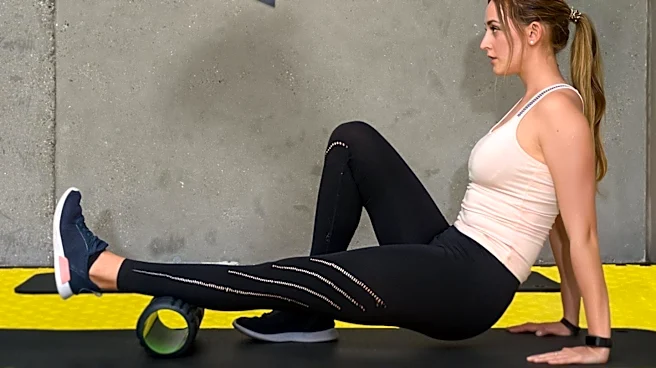
Foam rolling, a self-myofascial release technique, has been shown to provide short-term improvements in range of motion and may help reduce muscle soreness. Research indicates that using a foam roller can temporarily increase joint mobility without negatively
impacting muscle performance. However, the practice does not permanently alter or 'loosen' connective tissues like the iliotibial (IT) band, which is a dense band of tissue rather than a muscle. Aggressively rolling over an already irritated IT band can potentially aggravate symptoms, and there is no strong evidence to suggest that foam rolling alone can fix conditions like IT band syndrome. While it can offer temporary relief and improve comfort before workouts, it does not address the underlying causes of pain or dysfunction.
Why It's Important?
Understanding the actual benefits and limitations of foam rolling is crucial for individuals engaged in physical activity, from casual exercisers to professional athletes. Misconceptions about foam rolling, particularly regarding its ability to 'fix' or 'loosen' the IT band, can lead to ineffective or even counterproductive self-treatment. Relying solely on foam rolling for persistent pain may delay seeking appropriate medical or physical therapy interventions that address the root cause of discomfort, such as imbalances in training load, strength, or movement mechanics. For the fitness and wellness industry, this distinction highlights the importance of evidence-based guidance to consumers, promoting realistic expectations and preventing potential harm from improper use of self-care tools.
What's Next?
Individuals experiencing persistent pain, especially around the knee or hip, should consult with a physiotherapist or healthcare professional to determine the underlying cause of their symptoms. Instead of solely relying on foam rolling, a comprehensive approach may involve assessing training load, improving strength, refining movement strategies, and gradually increasing the body's tolerance to activity. While foam rolling can remain a useful tool for temporary relief or pre-workout preparation, it should be integrated into a broader, evidence-based rehabilitation plan rather than being considered a standalone solution for chronic issues. The focus will likely shift towards understanding the 'why' behind the pain rather than just treating the 'what' with temporary measures.
Beyond the Headlines
The widespread belief in foam rolling as a panacea for muscle tightness and pain reflects a broader trend in self-care and fitness culture, where quick fixes are often sought for complex physiological issues. This highlights the challenge of disseminating accurate scientific information to the public, especially when anecdotal evidence and marketing claims often overshadow research findings. The distinction between temporary symptomatic relief and addressing root causes has ethical implications for fitness professionals and product manufacturers, urging them to provide transparent and responsible guidance. This situation also underscores the importance of critical thinking in evaluating health and wellness trends, encouraging individuals to question popular practices and seek expert advice for lasting solutions.