
What's Happening?
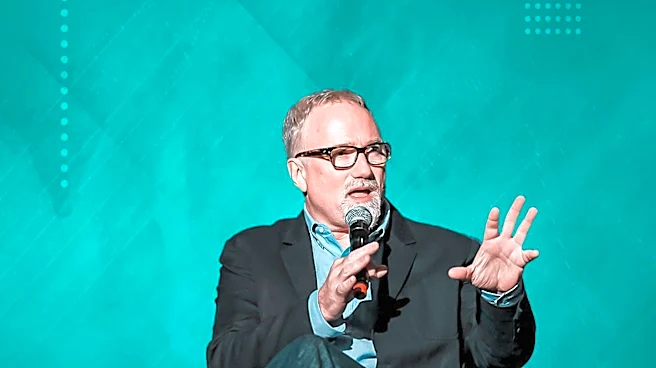
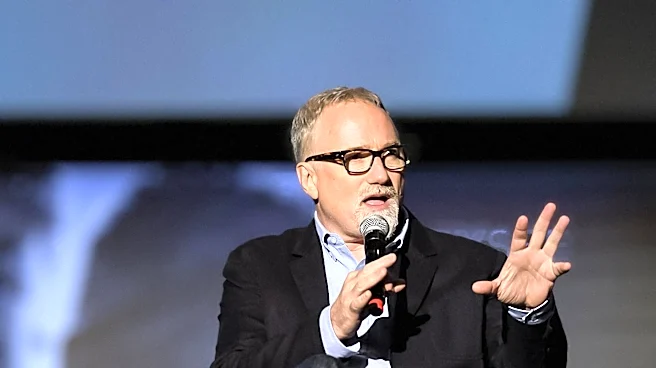
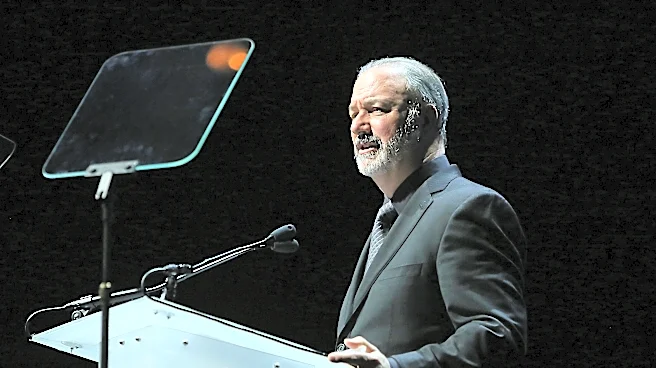
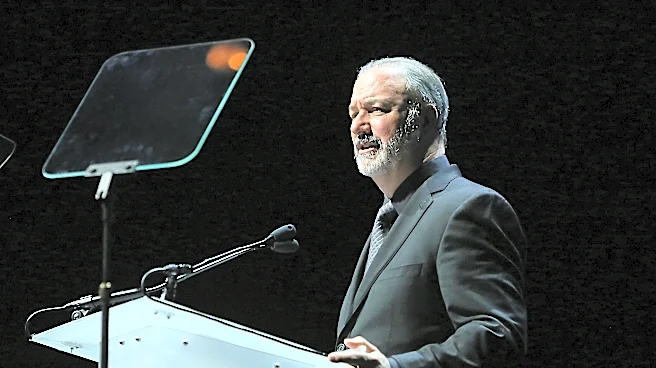
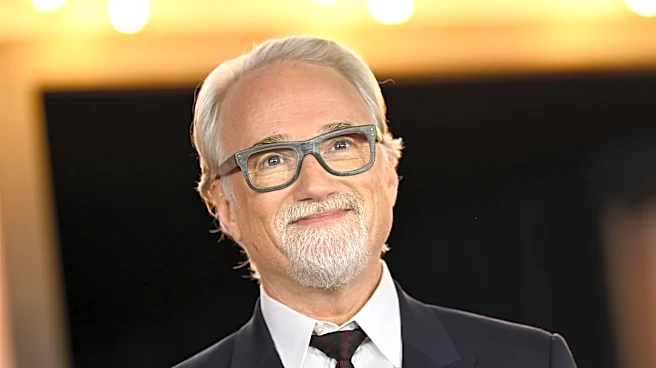
Filmmaker David Fincher has indicated that his latest movie, 'The Further Mis-Adventures of Cliff Booth,' a sequel to 'Once Upon a Time… in Hollywood' penned by Quentin Tarantino, might be his last. The film is currently in theaters and is set to premiere
on Netflix on December 23. Fincher, who is 64 years old and has been directing since he was 20, expressed on The Ringer’s Big Picture podcast that his priorities have shifted. He noted a growing impatience with the traditional filmmaking process, which he views as inherently wasteful and overly industrialized. Fincher also addressed scrutiny regarding his admitted use of AI in the film, stating he is not 'anti-humanity' but believes the industry needs to rethink its business practices to be more streamlined and less reliant on simply 'throwing manpower' at problems. He finds any work on a film that isn't 'photographing the actors' to be time not well spent.
Why It's Important?
Fincher's contemplation of retirement and his critique of the film industry's practices highlight significant challenges and evolving perspectives within Hollywood. His comments on the 'wasteful' nature of moviemaking and the need for more streamlined thinking resonate with ongoing discussions about efficiency and sustainability in large-scale productions. The director's use of AI in 'Cliff Booth' and the mixed reactions from viewers—some calling it 'absurd' while others found it 'unnoticeable'—underscore the nascent but growing impact of artificial intelligence on creative fields. This development could influence how future films are produced, potentially leading to increased adoption of AI technologies to reduce costs and production time, but also raising questions about artistic integrity and the role of human labor. If a director of Fincher's stature steps away, it could signal a broader trend among established filmmakers grappling with the industry's changing landscape.
What's Next?
The release of 'The Further Mis-Adventures of Cliff Booth' on Netflix on December 23 will likely intensify public and industry debate surrounding the use of AI in filmmaking, especially given Fincher's candid remarks. The film's reception, particularly concerning its technological aspects, could influence future investment in AI tools for film production. Fincher's potential retirement might also prompt other veteran directors to voice their opinions on the industry's direction and the balance between traditional craftsmanship and technological innovation. The ongoing conversation about the 'industrialization' of cinema could lead to new production models or calls for industry-wide standards regarding AI implementation. Stakeholders, including studios, unions, and creative professionals, will continue to monitor these developments as they navigate the evolving landscape of film production.
Beyond the Headlines
Fincher's remarks delve into deeper philosophical questions about the essence of storytelling and the human element in art. His assertion that 'storytelling is an intimate thing' stands in contrast to his critique of the 'industrialization' of cinema, suggesting a tension between artistic vision and commercial pressures. The debate over AI in film extends beyond mere efficiency; it touches upon the very definition of creativity and authorship. If AI becomes more prevalent, it could challenge traditional notions of a director's role and the collaborative nature of filmmaking. This shift might also raise ethical concerns about job displacement for human artists and technicians, as well as questions about the originality and emotional resonance of AI-generated content. Fincher's potential departure could symbolize a generational shift, where older filmmakers, accustomed to traditional methods, find themselves at odds with a rapidly changing technological environment.