







What's Happening?
Seniors worldwide are challenging traditional perceptions of aging by actively participating in strenuous physical activities such as weightlifting and marathons. This trend is highlighted by individuals like Roshni Devi, known as 'Weight Lifter Mummy,'
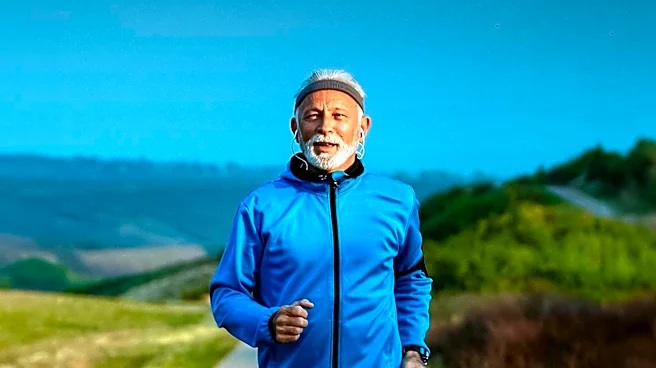
who began weightlifting at 68, and a 79-year-old woman whose heavy lifting caught the attention of longevity doctor Carlos De La Hoz. In India, 74-year-old Shibani Bagchi and 93-year-old Madhukar Talwalkar are also showcasing their fitness through dumbbell presses, push-ups, and squats. These examples, along with 66-year-old fitness entrepreneur Renu Sindhu and 68-year-old runner José Aguiar, demonstrate a shift from associating aging with physical decline to embracing continued physical ambition. The narrative suggests that the surprise often comes from societal expectations rather than the capabilities of older individuals.
Why It's Important?
This global movement among seniors is significant as it redefines societal expectations and stereotypes surrounding aging and physical fitness. It challenges the long-held belief that advanced age inherently leads to a decline in strength, speed, and physical ambition. By engaging in activities like weightlifting and marathons, these individuals are not only improving their personal health and well-being but also inspiring a broader cultural shift. This shift can lead to increased participation in physical activities among older adults, potentially reducing age-related health issues and healthcare burdens. Furthermore, it promotes a more inclusive view of fitness, emphasizing that physical activity is about maintaining the freedom to live a desired life, rather than solely about reversing the aging process. This can have profound impacts on public health initiatives and the perception of retirement and later life.
What's Next?
The increasing visibility of active seniors through social media and other platforms is likely to further accelerate this cultural shift. As more older individuals witness their peers engaging in challenging physical feats, it could encourage greater participation in similar activities, leading to a more active and healthier senior population. This trend may also influence fitness industries to develop more tailored programs and equipment for older adults, moving beyond 'gentle walks and stretching.' Additionally, medical and scientific communities may increase research into the benefits and safe practices of high-intensity exercise for seniors, potentially leading to new guidelines and recommendations that support this evolving understanding of aging and fitness. The continued sharing of these stories will likely foster a more positive and empowering narrative around aging.
Beyond the Headlines
The phenomenon of seniors defying age-related fitness stereotypes has deeper implications beyond physical health. It challenges the ethical and cultural assumptions embedded in society about what it means to age. By demonstrating that physical ambition and capability can persist into later life, these individuals are dismantling ageism and promoting a more holistic view of human potential. This movement highlights the importance of mental resilience and the desire to 'move forward' rather than 'turn back the clock.' It suggests a long-term shift in how society values and supports its older members, potentially leading to policies and environments that encourage lifelong physical activity and personal growth, irrespective of age. This re-evaluation of aging could foster greater intergenerational understanding and collaboration, as younger generations witness the capabilities of their elders.