

What's Happening?
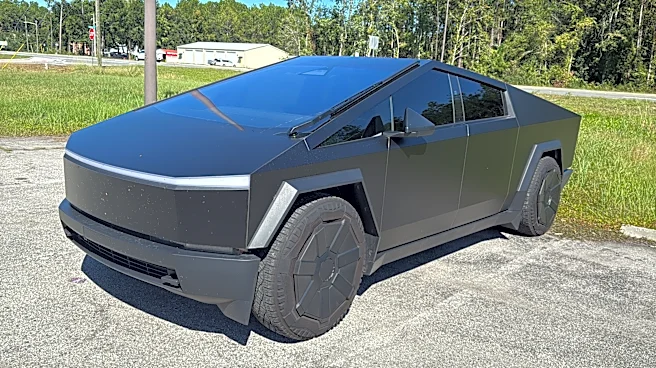
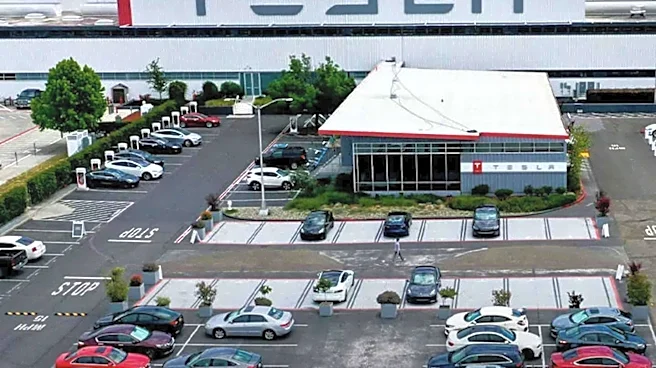
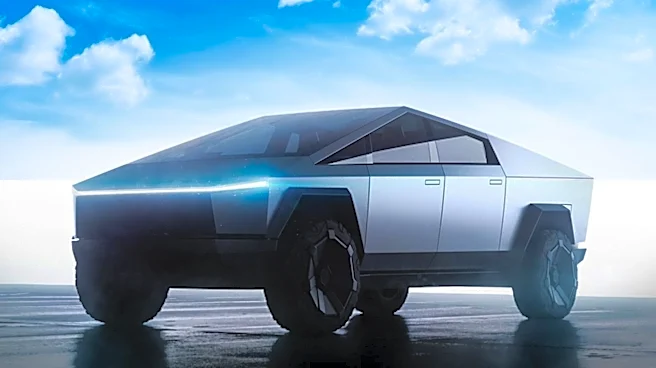
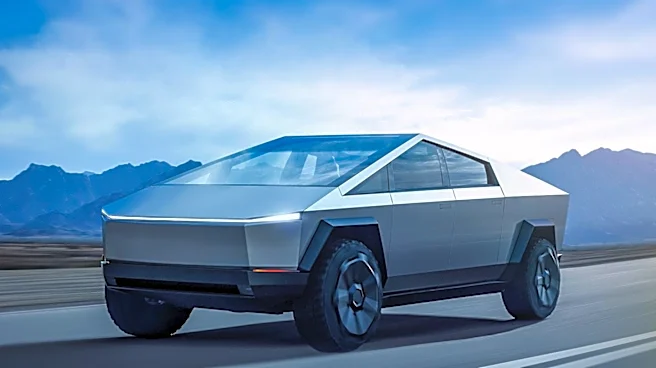
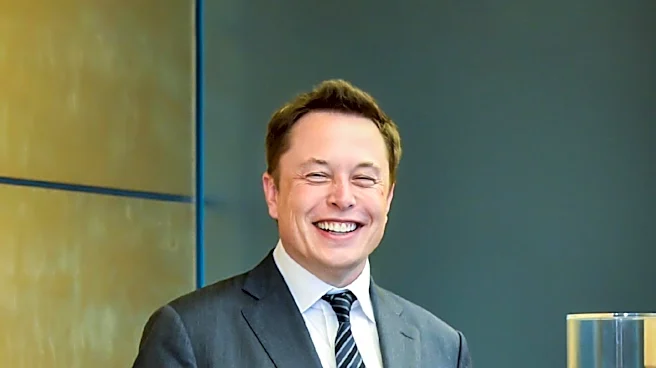
Tesla plans to discontinue the production of its Cybertruck around June or July of next year, following the fulfillment of its existing order backlog. This decision, announced by CEO Elon Musk on social media, aims to reallocate production capacity at Tesla's
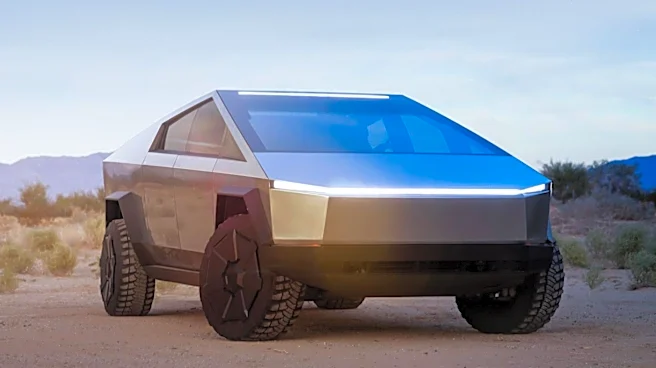
Austin, Texas, facility towards the development and manufacturing of Cybercab robotaxis. The Cybertruck, known for its distinctive stainless-steel body and sharp design, has experienced a significant decline in sales, with a 28% drop this year through September, totaling approximately 11,600 units. This figure is substantially lower than Musk's initial projection of 250,000 units annually. The move reflects broader challenges faced by automakers in the large electric pickup truck market, as demand has not met earlier expectations. Other manufacturers, including General Motors and Ford Motor, have also encountered difficulties with their electric truck offerings, leading to a reevaluation of strategies in the EV pickup segment.
Why It's Important?
Tesla's decision to halt Cybertruck production signifies a major shift in its electric vehicle strategy and highlights the growing challenges within the large EV pickup market. This move could impact consumer confidence in the long-term viability of niche electric vehicle segments, particularly those with high price points and specialized functionalities. For Tesla, prioritizing robotaxi development indicates a strategic pivot towards autonomous driving services, which the company views as a significant future revenue stream. However, the Cybercab robotaxi product has not yet reached commercial sale, introducing an element of risk to this strategic redirection. The struggles of the Cybertruck, alongside similar issues faced by GM and Ford with their electric trucks, suggest that the market for large, expensive electric pickups may be more limited than initially anticipated. This trend could lead to a broader industry shift towards smaller, more affordable electric vehicles or hybrid solutions, as automakers seek to balance innovation with market demand and profitability. The high cost associated with large battery packs and the functional limitations of electric pickups for traditional truck tasks are key factors contributing to this market reevaluation.
What's Next?
Tesla will focus on clearing its current Cybertruck order backlog before dismantling the production line by mid-2027. The company's immediate priority will then shift to scaling up the production of Cybercab robotaxis, a product that is still in its pre-commercial phase. This transition will be closely watched by investors and industry analysts for signs of progress in Tesla's autonomous driving ambitions. Other automakers are likely to continue adjusting their EV strategies, with a potential emphasis on developing more compact electric pickups and integrating hybrid or extended-range electric powertrains. Ford, for instance, plans to launch a smaller electric pickup, the Fathom, by late next year, with a more accessible starting price. Stellantis is also set to introduce an extended-range electric pickup truck, utilizing a gasoline-powered generator to enhance battery life and address range anxiety. These developments suggest a future market where diverse powertrain options and more practical, cost-effective electric truck solutions may gain prominence.
Beyond the Headlines
The Cybertruck's production halt and the broader struggles in the large EV pickup market underscore a critical lesson for the automotive industry: consumer adoption of electric vehicles is not solely driven by innovation or novelty. Practicality, cost-effectiveness, and the ability to meet traditional use-case demands remain paramount, especially for segments like pickup trucks where utility is a core expectation. The 'stealth-bomber-refrigerator design' of the Cybertruck, while visually striking, may have appealed to a niche market, but failed to capture the broader utility-focused truck buyer base. This situation highlights the tension between pushing technological boundaries and meeting established market needs. Furthermore, Tesla's pivot to robotaxis reflects a long-term vision for mobility that transcends traditional vehicle ownership, potentially signaling a future where transportation is increasingly service-oriented. However, the success of this vision hinges on overcoming significant technological, regulatory, and societal hurdles, making the transition a high-stakes gamble for the company.