





What's Happening?
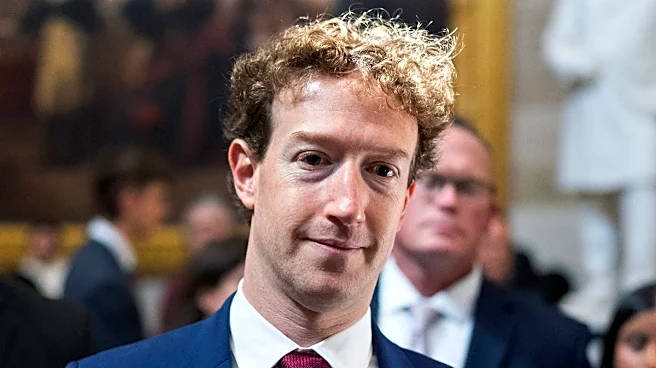
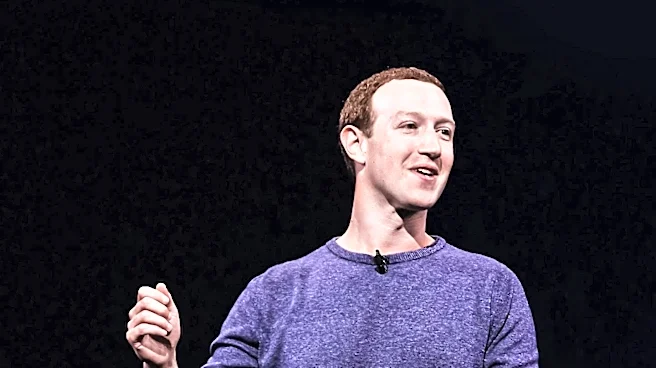
Meta CEO Mark Zuckerberg has publicly stated his opposition to a coordinated, industry-wide slowdown in the development of advanced artificial intelligence systems. He argues that each individual lab should be responsible for determining its own pace
of work to ensure safe model training. Zuckerberg believes that companies inherently possess a natural incentive to enhance the safety of their products, as users are unlikely to choose AI agents that act contrary to their intentions. Therefore, he posits that building trust and aligning AI with human goals become competitive advantages. As an example of this self-regulation, Meta itself previously delayed the launch of its AI agent, Muse, for several months to prioritize security and safety measures. This decision was made internally without requesting other market participants to follow suit. Zuckerberg's remarks come amidst a broader debate within the AI community regarding the need to slow down the development of powerful AI models, with figures like Anthropic CEO Dario Amodei, OpenAI chief Sam Altman, and Elon Musk advocating for coordinated efforts and independent audits.
Why It's Important?
Zuckerberg's stance is significant as it highlights a fundamental philosophical divide within the rapidly evolving AI industry regarding regulation and development speed. His argument for individual company responsibility, driven by market incentives, contrasts with calls from other prominent AI leaders for more centralized coordination and oversight. This debate has substantial implications for the future trajectory of AI innovation, safety protocols, and the competitive landscape. If individual labs dictate their own pace, it could foster faster innovation but potentially lead to varied safety standards and a less unified approach to addressing ethical concerns. Conversely, a coordinated slowdown, while potentially enhancing safety through collective effort, might stifle innovation and create a less competitive environment. The outcome of this debate will influence how AI technologies are developed, deployed, and integrated into society, impacting everything from consumer products to national security, and shaping the roles of government and private industry in governing this transformative technology.
What's Next?
The debate over AI development speed and regulation is expected to continue, with various stakeholders likely to reiterate their positions. It is probable that industry leaders, policymakers, and advocacy groups will engage in further discussions and potentially propose different frameworks for AI governance. Companies like Meta may continue to emphasize their internal safety measures and the competitive advantages of responsible AI development. Conversely, proponents of a broader slowdown might intensify their calls for independent audits, coordinated research, and potentially governmental intervention to ensure universal safety standards. The ongoing dialogue could lead to the formation of new industry consortiums, the development of voluntary guidelines, or even legislative proposals aimed at regulating AI development. The focus will remain on balancing rapid technological advancement with the imperative of ensuring AI safety and ethical deployment, with each major AI player's actions and statements contributing to the evolving landscape.
Beyond the Headlines
The underlying tension in this debate extends beyond mere development speed; it touches upon the very nature of corporate responsibility, the role of market forces in ensuring public good, and the potential for self-regulation in a nascent, powerful industry. Zuckerberg's emphasis on competitive advantage as a driver for safety suggests a belief in the efficacy of market mechanisms to address complex societal challenges. However, critics might argue that market pressures alone are insufficient to mitigate the existential risks associated with advanced AI, necessitating external oversight. This discussion also reflects a broader societal anxiety about the control and impact of powerful technologies, echoing past debates around nuclear energy or biotechnology. The long-term implications could involve a redefinition of corporate accountability in the digital age, potentially leading to new models of public-private partnerships or international agreements to manage technological progress. The ethical dimension of aligning AI with human goals, as highlighted by Zuckerberg, will remain a critical area of focus, influencing public trust and the ultimate acceptance of AI in daily life.